本页面由机器自动翻译。 (中文)阅读英文版

    Are you the organiser of this event?

    Event overview

    Overview

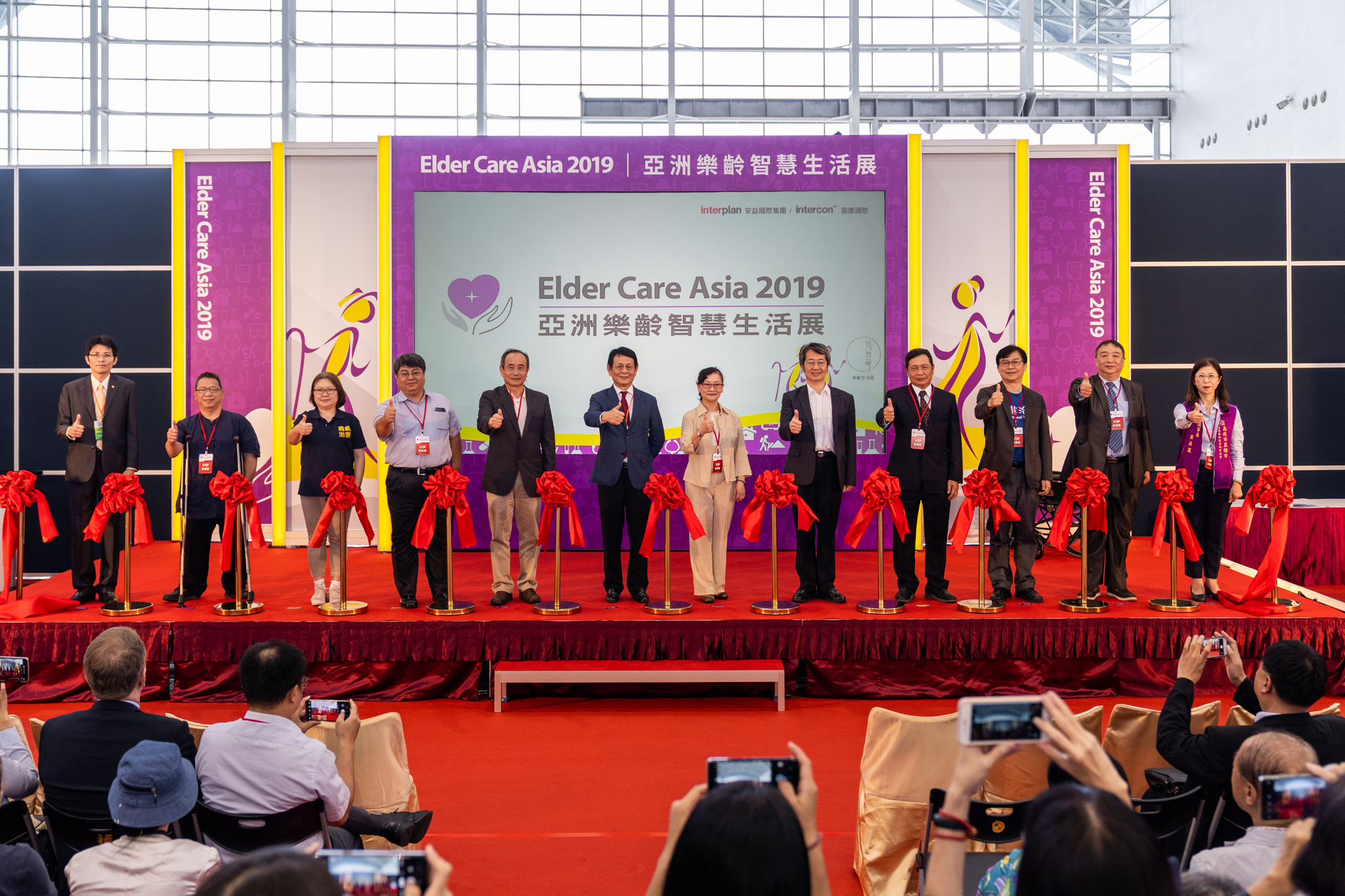
    Elder Care Asia (ECA) 2026,也称为 Happy Aging Expo,将于2026年10月16日至18日在Kaohsiung Exhibition Center(位于Kaohsiung, Taiwan)举办。该活动聚焦智慧辅助设备、居家照护与全龄适居解决方案,汇聚业界参与者展示面向高龄人口的创新成果。活动由Kaohsiung City Government Economic Development Bureau支持,并由An-Yi Group主办。该博览会是面向Southern Taiwan养老照护市场企业的重要平台。

    Why visit

    参观者可在同一场地探索养老照护领域的最新创新——从智慧辅助设备到居家照护技术。展览与舞台节目提供行业趋势洞见。此次活动是与参展商和专家交流、发掘面向老龄人口的实用解决方案的机会。在地方政府支持下,博览会也为了解地区政策与举措提供了平台。

    Why exhibit

    在ECA 2026参展可直接触达Southern Taiwan不断增长的养老照护市场,有机会向目标受众展示产品。该活动在2025年吸引了超过22,000名参观者,显示出强劲的参与度。参展商可与业界伙伴(包括医院和照护机构)建立联系,并借助媒体曝光。展会聚焦智慧科技与居家照护,符合当前趋势,是推出新解决方案的理想平台。

    Attendees, exhibitors & solutions

    Who this event is for

    Visitor profile

    Typical attendee groups you can expect to meet.

    医疗卫生专业人士
    护理人员与家庭照护者
    养老机构管理者
    政府官员与政策制定者
    分销商与零售商
    技术集成商
    投资者与风险资本家
    学术界人士与研究人员

    Exhibitor profile

    Main supplier and exhibitor segments present at the show.

    智慧辅助设备制造商
    居家照护解决方案提供商
    健康监测技术公司
    康复设备供应商
    制药与医疗保健产品公司
    养老居住服务提供商
    养老照护领域的人工智能与机器人公司
    营养与健康品牌

    Product categories

    Key solution areas showcased across the event.

    Mobility and walking aids, including walkers, rollators and canes
    Wheelchairs, mobility scooters and transfer equipment
    Smart care beds, pressure-relief mattresses and repositioning systems
    Bathroom safety, grab bars, shower chairs and toileting aids
    Fall detection, nurse-call and emergency response systems
    Telecare, remote monitoring and home-care sensor platforms
    Home-care consumables, hygiene and incontinence products
    Senior nutrition, dysphagia diets and supplement products
    Rehabilitation, physiotherapy and passive exercise equipment
    Dementia care, sensory therapy and wayfinding products
    Hearing, vision and communication aids
    Age-friendly furniture, lighting, flooring and interior design
    Care facility management software and family communication tools
    Staff training, care services and certification resources

    Location & Facilities

    Venue

    Kaohsiung Exhibition Center

    No.39, Chenggong 2nd Road, Qianzhen Dist., Kaohsiung 806, Taiwan

    Facilities

    Parking

    Kaohsiung Exhibition Center in Kaohsiung typically provides on-site or adjacent visitor parking during major trade fairs; confirm daily rates, payment methods and hall access on the organiser or venue website before travel.

    Accessibility

    Major convention centres usually offer step-free routes and accessible restrooms; request an accessibility map from the organiser.

    Food options

    On-site catering

    Gate: Follow organiser signage to the main visitor entrance at Kaohsiung Exhibition Center for badge collection; allow extra time for security screening during peak morning arrival.

    Attend

    Entry & tickets

    Event days & opening times

    October 16 to 18, 2026: 10:00 AM-6:00 PM daily; October 18: 10:00 AM-5:00 PM

    Register

    What's on

    Programme

    This agenda is still being finalised. Check the official agenda for the latest sessions.

    News and context for this year’s event

    Edition highlights

    New this edition

    • The available seed material does not list verified feature zones, launch programmes or conference tracks from the prior edition. Use the official Eldercare Asia schedule to confirm 2026 feature areas, demo zones and sessions before planning meetings.

    Intelligence

    Market context

    Kaohsiung, Taiwan

    Why it matters

    Attending Elder Care Asia (ECA) 2026 on 2026-10-16 to 2026-10-18 in Kaohsiung lets buyers and specifiers benchmark suppliers, see live demonstrations, and compress months of vendor meetings into one focused trade visit — worthwhile when your category roadmap aligns with the official exhibitor profile.

    Industry trends

    Key trends shaping this market and its wider industry.

    01

    Digital buyer journeys

    What digital buyer journeys means for buyers and exhibitors in this sector.

    02

    Sustainability in procurement

    What sustainability in procurement means for buyers and exhibitors in this sector.

    03

    Automation and labour efficiency

    What automation and labour efficiency means for buyers and exhibitors in this sector.

    04

    Regional supply-chain resilience

    What regional supply-chain resilience means for buyers and exhibitors in this sector.

    05

    Hybrid engagement models

    What hybrid engagement models means for buyers and exhibitors in this sector.

    Medical trade fair circuit

    Book hotels and meetings 8-12 weeks before opening day; peer shows in the same sector often fall in adjacent months.

    Buyers covering medical often plan Elder Care Asia (ECA) 2026 alongside regional peer shows to compare products, pricing, and service coverage across markets.

    Peer events are widely known sector fairs; verify dates on each organiser website before booking.

    Plan your trip

    Travel & logistics

    Local currencyUSD

    Hotel tiers

    A range of accommodation options near the venue and across key areas.

    Areas to stay

    Asia New Bay Area · Kaohsiung City Center · Kaohsiung International Airport · Kaohsiung Main Station · Qianzhen District

    Budget business hotel, Qianzhen District

    Qianzhen District

    Simple rooms within a short taxi ride or 10-15 minute walk of KEC. Confirm breakfast and cancellation terms.

    Midscale chain hotel, Sanduo Shopping District

    Sanduo Shopping District

    Good access to restaurants and MRT Red Line; take MRT to Kaisyuan area and continue by walk, bus or taxi to KEC.

    Upscale hotel, Asia New Bay Area

    Asia New Bay Area

    Closest tier for walking or a very short taxi ride to Kaohsiung Exhibition Center. Book early around major trade shows.

    Luxury harbor-view hotel, Kaohsiung City Center

    Kaohsiung City Center

    Higher-end option with meeting facilities; allow 15-25 minutes by taxi to KEC depending on traffic.

    Serviced apartment, Kaohsiung Main Station

    Kaohsiung Main Station

    Useful for longer stays and rail connections; MRT Red Line plus taxi or bus to KEC. Weekly rates may be available.

    Airport-area hotel, near KHH

    Kaohsiung International Airport

    Convenient for early flights or late arrivals; taxi to KEC typically 20-30 minutes depending on traffic. Confirm shuttle availability.

    Local transport

    Get around the city with these convenient transport options.

    MRT

    Estimated costApprox. NT$20-35 per single journey depending on origin station; confirm fare at station
    Best forKaohsiung MRT Red Line to Kaisyuan Station or nearby station, then walk, bus or taxi to KEC

    Use an EasyCard for touch-on travel. Check the latest Red Line map and station exits before travelling.

    Light Rail

    Estimated costApprox. NT$20-30 per single journey; confirm fare at station
    Best forKaohsiung Circular Light Rail toward the Asia New Bay Area and KEC

    Useful for hotels and venues around the harbor district; confirm the closest stop to your hall entrance.

    City bus

    Estimated costApprox. NT$15-30 per single journey; EasyCard accepted
    Best forLocal bus routes serving Qianzhen District and Kaohsiung Exhibition Center

    Bus stops and route numbers can change; check the Kaohsiung e-bus or venue access page before departure.

    Taxi

    Estimated costApprox. NT$350-500; meter plus airport surcharge may apply
    Best forKaohsiung International Airport (KHH) to Kaohsiung Exhibition Center

    Use the official taxi queue at the airport. Confirm the meter is running and keep the receipt for expense claims.

    Taxi

    Estimated costApprox. NT$250-350
    Best forKaohsiung Main Station to Kaohsiung Exhibition Center

    Alternative to MRT with luggage; ask the driver for the KEC main entrance or designated drop-off zone.

    Taxi

    Estimated costApprox. NT$350-450
    Best forHSR Zuoying Station to Kaohsiung Exhibition Center

    Convenient for visitors arriving by High Speed Rail from Taipei or Taoyuan. Follow signs to the official taxi rank.

    Bike share

    Estimated costApprox. NT$10-20 per 30 minutes; EasyCard registration required
    Best forYouBike or similar public bike share around the Asia New Bay Area

    Check availability at docking stations and whether your payment card can register for local bike share.

    Parking

    Estimated costApprox. NT$30-50 per hour; daily caps vary by event
    Best forOn-site parking at Kaohsiung Exhibition Center

    Confirm current rates, clearance height and exhibitor parking arrangements with KEC or the organiser.

    Getting to the venue

    Practical routes from arrival points and hotels.

    • Airport → venue

      Use the nearest international airport serving Kaohsiung; Metro, train or taxi links are typically available to the venue district.

    • Hotel → venue

      Precinct hotels near Kaohsiung Exhibition Center: Qianzhen District: Budget business hotel, Qianzhen District; Sanduo Shopping District: Midscale chain hotel, Sanduo Shopping District; Asia New Bay Area: Upscale hotel, Asia New Bay Area.

    • Ride-hail

      Ride-hailing apps are commonly used in Kaohsiung; confirm local availability before travel.

    • Public transit

      Kaohsiung Exhibition Center sits in the Asia New Bay Area and is served by the city's MRT Red Line, Circular Light Rail, local buses and taxis. For most visitors, take the MRT Red Line toward the Kaisyuan area, then walk, take a short bus ride or taxi to the KEC entrance. The Circular Light Rail is useful for harbor-district hotels. Use an EasyCard for MRT and bus travel, and confirm the latest station exits, bus routes and venue drop-off points on the Kaohsiung transport or KEC website before travelling.

    • Parking

      On-site parking is available at Kaohsiung Exhibition Center; confirm daily rates and hall access on the organiser or venue site.

    Weather

    Typical October 2026 conditions

    Approx. 24-31°C daytime, 22-26°C overnight in October; the venue is air-conditioned, so a light layer is useful for meeting rooms.

    October is warm and humid with a chance of heavy showers and typhoon-season tail events. Monitor forecasts before travel, allow extra time for transfers and carry a compact rain jacket for the walk between transit stops and the venue.

    What to pack: October 2026

    October 2026 edition window: Kaohsiung is warm and humid in October, with daytime temperatures typically around 24-31°C and overnight lows around 22-26°C. October sits at the tail of the western Pacific typhoon season, so short heavy showers and occasional storm systems are possible. The show is indoors at Kaohsiung Exhibition Center, so carry a light rain jacket, stay hydrated and check the Central Weather Administration forecast before travel. Confirm exact 2026 show dates with the organiser.

    Venue connectivity

    Stay connected at the event

    • Public transport

      Confirm mobile roaming or local SIM options for business visitors to Taiwan.

    • Mobile signal
    • Public transit

    Cultural notes

    Useful information to help you have a smooth and respectful visit.

    Language and communication

    Mandarin Chinese is the main business language, with Taiwanese Hokkien also spoken in Kaohsiung. English is common at international hotels and major venues, but exhibitor staff may be more comfortable with written product questions in Traditional Chinese. Prepare a bilingual one-page brief for technical discussions.

    Business etiquette

    Punctuality is respected, and business cards are exchanged with both hands in many meetings. A polite, relationship-first approach works well. Avoid hard-sell tactics until you understand the local partner's role and decision process.

    Tipping and payments

    Tipping is not customary in Taiwan, and many restaurants add a service charge. Cash is useful at night markets and small shops, while credit cards are widely accepted at hotels and larger restaurants. Keep small notes for buses and convenience stores.

    Transit cards and local mobility

    An EasyCard is useful for MRT, buses, bike share and some convenience-store purchases. Kaohsiung is generally easy to navigate with English signage at major MRT stations, but allow extra time for the final walk or bus transfer to KEC.

    Dress and fairground comfort

    Smart casual business attire is appropriate for the show. October is warm and humid, so choose breathable fabrics and comfortable shoes for concrete exhibition halls. A light layer helps in air-conditioned meeting rooms.

    Accessibility and care needs

    Kaohsiung's MRT and major venues generally provide accessible facilities, including lifts and accessible restrooms. Confirm specific equipment, wheelchair loans or assistance with KEC and your hotel in advance if you are travelling with a mobility device.

    Food and evening routine

    Kaohsiung is known for harbor-area seafood and night markets. After show hours, the Sanduo and Asia New Bay Area districts offer a range of restaurants. Check opening hours and reserve ahead for larger groups during trade show week.

    Local customs

    Queueing is observed on transit and at venues, and smoking is restricted indoors. When visiting temples or older neighborhoods, dress modestly and ask before photographing people or ceremonies. Keep a copy of your hotel address in Chinese for taxi drivers.

    Practical guides

    Visitor & Exhibitor Essentials

    Everything needed to arrive prepared, navigate the event, and make the visit productive.

    Flights

    Compare flights to the nearest international gateway serving Kaohsiung; confirm ground transport on the organiser site.

    Visa

    Processing: Varies by nationality; apply several weeks before travel.

    Plan your trip

    Planning

    Best day to visit: Day 2 (mid-show)

    Mid-show days at Elder Care Asia (ECA) 2026 usually combine full exhibitor attendance with scheduled B2B meetings, before early pack-down on the final day.

    Day 14

    Confirm your Eldercare Asia registration category

    Day 12

    Book flights to Kaohsiung International Airport (KHH)

    Day 10

    Reserve a hotel in the right district

    Day 9

    Check Taiwan visa and entry requirements

    Day 8

    Map your route to Kaohsiung Exhibition Center

    Day 7

    Review the exhibitor list and product categories

    Day 6

    Request meetings with priority exhibitors

    Day 5

    Prepare a bilingual product brief

    Day 4

    Arrange local payment and transit cards

    Day 3

    Pack for a warm, humid show week

    Day 2

    Check the weather and typhoon outlook

    Day 1

    Travel to Kaohsiung and test your route

    Show day

    Arrive early for badge pickup and orientation

    Sample visitor itinerary

    Route-optimised day
    Day 1 · morning

    Registration and hall orientation at Kaohsiung Exhibition Center

    Day 2 · core sessions

    Supplier meetings and product demos

    Day 3 · wrap-up

    Final negotiations and follow-up

    Networking spots

    2

    Elder Care Asia (ECA) 2026 registration concourse

    Kaohsiung Exhibition Center

    Central meeting point before and between hall appointments during show days.

    Organiser B2B lounge (if offered)

    Kaohsiung Exhibition Center

    Hosted matchmaking and buyer programmes when published by the organiser.

    Budget

    Costs & budget

    Build your working budget

    Adjust the inputs below to create a directional event budget.

    Estimated budget
    Live estimate
    • Hotel × 2 nights$190.00
    • Per diem × 2$150.00
    Estimated total$340.00

    This is a directional estimate. Please verify live rates before booking.

    Decision

    Visit, exhibit, or skip?

    Should you go?

    Use this quick check to decide whether Elder Care Asia (ECA) 2026 fits your visit, exhibit or skip plan.

    QUESTION 1 OF 6

    What is your primary role?

    Decision matrix

    Compare participation options side by side to choose the best fit for your objectives.

    visit

    Your category focus aligns with the official product themes.

    Best for

    Buyers, researchers, and delegates evaluating the programme and networking value.

    Min. budget

    $400.00

    Timeline

    4-8 weeks before opening day for registration and travel.

    Risks

    Limited session times published - confirm agenda before booking.

    exhibit

    You have a clear lead-generation or launch goal for this market.

    Best for

    Suppliers and brands seeking qualified meetings with the event audience.

    Min. budget

    $2,500.00

    Timeline

    3-6 months for stand booking, freight, and marketing prep.

    Risks

    Booth pricing not published in captured sources - confirm with organiser.

    skip

    Programme, audience, or commercial goals do not match your plan.

    Best for

    Teams whose category or region fit is weak this edition.

    Timeline

    Not applicable

    Risks

    No major risks listed.

    FAQs & glossary

    Answers

    Frequently asked

    What is Eldercare Asia?
    Eldercare Asia is a trade show focused on elder care, long-term care, assistive technology, home healthcare and age-friendly products and services. The 2026 edition is listed for Kaohsiung, Taiwan, bringing together care providers, equipment suppliers, age-tech developers and policy stakeholders.
    When and where is Eldercare Asia 2026?
    Seed material lists the 2026 edition in October 2026 at Kaohsiung Exhibition Center (KEC) in Qianzhen District, Kaohsiung, Taiwan. Exact show days are not included in this listing, so confirm the final dates and hall opening hours on the official Eldercare Asia website before booking travel.
    Who should visit Eldercare Asia?
    The show is relevant for long-term care facility operators, hospital geriatrics and rehabilitation teams, home-care agencies, assistive technology distributors, occupational therapists, care managers, senior-living developers, government aging agencies and investors in age-tech. Caregiver associations and training bodies also attend to review products and education resources.
    What product areas are exhibited?
    Typical product areas include mobility aids, wheelchairs and scooters, smart care beds, pressure-relief mattresses, bathroom safety equipment, fall detection and emergency call systems, telecare platforms, home-care consumables, senior nutrition, rehabilitation equipment, dementia care products and age-friendly furniture.
    Is Eldercare Asia open to family caregivers and the public?
    The product scope includes caregiver-focused equipment and home-care solutions, but access rules can differ between trade and public visitors. Check the official visitor registration categories and any age restrictions before travelling, especially if you are attending as a family caregiver rather than a trade buyer.
    How do I register for Eldercare Asia?
    Use the official Eldercare Asia website for visitor registration and pass categories. Registration deadlines, badge types and any trade-credential requirements are set by the organiser, so confirm the current process before making non-refundable travel bookings.
    How do I get to Kaohsiung Exhibition Center from the airport?
    Kaohsiung International Airport (KHH) is the closest gateway. Taxis are the simplest option with luggage, while the MRT Red Line connects the airport area to central Kaohsiung and onward buses or taxis reach KEC. Allow extra time during peak hours and confirm current fares and routes on arrival.
    Which area should I stay in for Eldercare Asia?
    The Asia New Bay Area around KEC is closest for walking to the venue. Qianzhen District and the Sanduo Shopping District offer a wider range of midscale hotels with MRT access. Kaohsiung Main Station and Zuoying HSR Station are useful for rail connections but require a longer transfer to the fairground.
    What language is used at the show?
    The local business language is Mandarin Chinese, with Taiwanese Hokkien also spoken in Kaohsiung. Many international exhibitors provide English-speaking staff and bilingual literature, but it is helpful to bring key product questions in written English and Chinese if you do not speak Mandarin.
    Do I need a visa to attend Eldercare Asia in Taiwan?
    Visa requirements depend on your nationality. Many short-term business visitors from Europe, North America and parts of Asia can enter Taiwan visa-free, but eligibility and permitted duration vary. Confirm current rules with Taiwan's Bureau of Consular Affairs or your nearest Taipei Economic and Cultural Office before booking.
    What is the weather like in Kaohsiung in October?
    October in Kaohsiung is warm and humid, with daytime temperatures typically around 24-31°C and overnight lows around 22-26°C. October sits at the tail of the western Pacific typhoon season, so short heavy showers and occasional storm systems are possible. Carry a light rain jacket and check forecasts before travel.
    Is parking available at Kaohsiung Exhibition Center?
    KEC has on-site parking, but availability and rates vary by event and hall configuration. Confirm current hourly charges, daily caps and exhibitor parking arrangements with the venue or organiser before driving to the show.
    Are there accessible facilities at KEC and in Kaohsiung?
    Kaohsiung's MRT and major venues generally provide accessible facilities, including lifts and accessible restrooms. Confirm specific equipment, wheelchair loans or assistance with KEC and your hotel in advance, especially if you are travelling with a mobility device.
    Can I bring children to Eldercare Asia?
    Trade fairs often restrict strollers or children for safety and business-floor reasons. Check the organiser's visitor policy before bringing family members, and confirm whether any public day or caregiver programme has different rules.

    Glossary

    1
    ADLs (Activities of Daily Living)
    Everyday tasks such as bathing, dressing, eating, toileting and transferring. Products that support ADLs are a core category at elder care exhibitions because they directly affect independence and caregiver workload.
    2
    Age-tech
    Technology designed for older adults and their caregivers, including fall detection, medication reminders, telecare, smart home sensors and social connection platforms. At Eldercare Asia, age-tech spans both hardware and care-management software.
    3
    Assistive technology
    Devices or systems that help people with disabilities or age-related limitations perform tasks. Examples include wheelchairs, walkers, hearing aids, communication boards and adaptive kitchen tools.
    4
    Telecare
    Remote monitoring and response services that use sensors, alarms or wearables to connect older adults with caregivers or call centres. Telecare is relevant to home-care providers and residential facilities looking to reduce response times.
    5
    Remote patient monitoring
    The use of connected devices to track health indicators such as blood pressure, glucose or weight outside a clinical setting. For elder care buyers, it supports chronic disease management and ageing in place.
    6
    Fall detection
    A sensor or wearable function that automatically detects a fall and alerts a caregiver or emergency contact. It is a common feature in personal emergency response systems and smart care environments.
    7
    Long-term care (LTC)
    A range of medical and social services for people who need help with daily activities over an extended period. LTC providers are key buyers of beds, mobility equipment, hygiene products and care software.
    8
    Ageing in place
    The ability to remain in one's own home safely and independently as one ages. It drives demand for home modifications, telecare, bathroom safety equipment and remote support services.
    9
    Dementia care
    Products, services and environmental design approaches that support people living with dementia. Examples include sensory items, wayfinding aids, secure wandering systems and caregiver training.
    10
    Universal design
    Design of products and spaces so they can be used by as many people as possible, regardless of age or ability. It is relevant to furniture, bathrooms, signage and senior housing projects.
    11
    Smart care bed
    A bed with sensors and adjustable functions that can monitor position, movement or vital signs and help prevent pressure injuries. These beds are increasingly integrated with nurse-call and care-management systems.
    12
    Pressure injury prevention
    The use of pressure-relief mattresses, repositioning schedules and skin care products to prevent pressure ulcers in less mobile patients. This is a major purchasing category for nursing homes and hospitals.
    13
    Dysphagia diet
    Texture-modified foods and thickened liquids for people with swallowing difficulties. Senior nutrition exhibitors often present dysphagia-friendly products for hospitals and care homes.
    14
    Care management
    The coordination of services, assessments and care plans for an older person. Digital care-management platforms help facilities track residents, schedules, incidents and family communication.
    15
    Ambient assisted living
    Sensor-based home environments that support independence through automation, monitoring and alerts. The category overlaps with smart home, telecare and fall detection at elder care trade shows.

    Also known as

    • Elder Care Asia (ECA) 2026 Kaohsiung 2026
    • Elder Care Asia 2026
    • Elder Care Asia Kaohsiung 2026
    • ECA 2026
    • ECA Kaohsiung 2026
    • Kaohsiung Taiwan
    • Healthcare Kaohsiung 2026
    • Assistive devices for seniors

    Feedback & enquiry

    Want details on Elder Care Asia (ECA) 2026 — agenda, exhibiting, or attending?

    Drop your details and we'll forward your enquiry to the event organizers. They'll get back to you within 1–2 business days.

    Your info is shared only with the event organizers and the TSI team.

    This event guide is reviewed and updated on TradeShowIntel. Last refresh: .