Digital buyer journeys
What digital buyer journeys means for buyers and exhibitors in this sector.

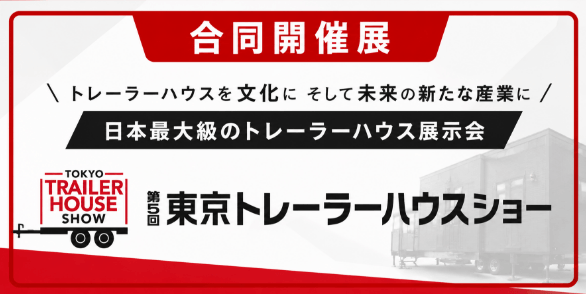
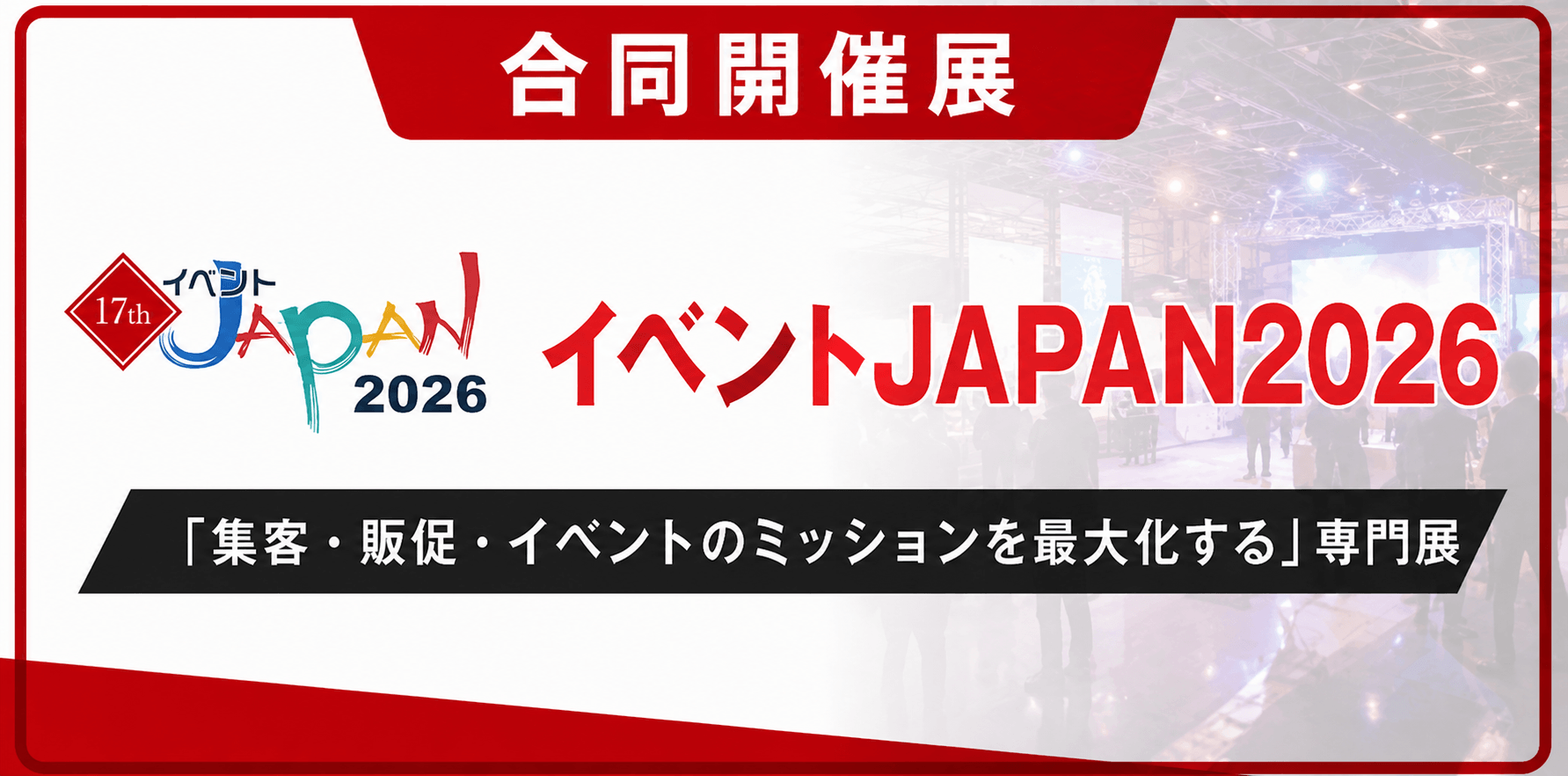
Leisure & Outdoor Japan 2026は、2026年11月25日〜27日にTokyo Big Sight, Tokyoで開催されます。アトラクション、グランピング、屋内エンターテインメント、プール・サウナを特集する、日本最大のレジャー・アウトドア業界向け見本市で、Event Japan 2026およびTokyo Trailer House Showと同時開催されます。
Are you the organiser of this event?
Event overview
Leisure & Outdoor Japan 2026は、アトラクション、屋内レジャー・エンターテインメント、グランピング、プール・サウナなどを含むレジャー業界に特化した、日本最大の専門見本市です。2026年11月25日〜27日にTokyo Big Sight East Hallsで開催され、Event Japan 2026(第17回)および第5回Tokyo Trailer House Showと同時開催されます。本展示会はテーマパーク、レジャー施設、ホテル、リゾート、商業施設、自治体、イベント制作会社を集め、3日間にわたりビジネスマッチングとトレンドの発見の場を提供します。
Leisure & Outdoor Japan 2026を訪れて、Tokyo Big Sightの一会場でアトラクション、屋内エンターテインメント、グランピング、プール・サウナの最新トレンドと製品を発見してください。業界専門家による20以上の無料セミナーに参加し、300社の出展者とネットワーキングを行い、レジャー施設、ホテル、リゾート、イベント事業の改善に役立つソリューションを見つけましょう。併催のEvent JapanおよびTokyo Trailer House Showは、イベント企画者や屋外宿泊提供者向けの追加コンテンツも提供します。
Leisure & Outdoor Japan 2026に出展して、テーマパーク、レジャー施設、ホテル、リゾート、商業施設、自治体など日本全国から集まる2万5,000名の業界関係者にリーチしましょう。出展社300社、専門セミナー20以上を通じて、アトラクション、グランピング機器、プール・サウナ製品、イベント制作サービスを披露するための主要なプラットフォームを提供します。Event JapanおよびTokyo Trailer House Showとの同時開催により、レジャー・エンターテインメント業界全体でのネットワーキングとビジネス機会が拡大します。
Attendees, exhibitors & solutions
Visitor profile
Typical attendee groups you can expect to meet.
Exhibitor profile
Main supplier and exhibitor segments present at the show.
Product categories
Key solution areas showcased across the event.
Location & Facilities
Tokyo, Japan
Tokyo International Exhibition Center (Tokyo Big Sight) in Tokyo typically provides on-site or adjacent visitor parking during major trade fairs; confirm daily rates, payment methods and hall access on the organiser or venue website before travel.
Major convention centres usually offer step-free routes and accessible restrooms; request an accessibility map from the organiser.
On-site catering
Gate: Follow organiser signage to the main visitor entrance at Tokyo International Exhibition Center (Tokyo Big Sight) for badge collection; allow extra time for security screening during peak morning arrival.
Attend
Who runs the show
Organised by
What's on
Intelligence
Why it matters
Attending ILAJ - INTERNATIONAL LEISURE & ATTRACTION JAPAN 2026 on 2026-11-25 to 2026-11-27 in Tokyo lets buyers and specifiers benchmark suppliers, see live demonstrations, and compress months of vendor meetings into one focused trade visit — worthwhile when your category roadmap aligns with the official exhibitor profile.
Key trends shaping this market and its wider industry.
Digital buyer journeys
What digital buyer journeys means for buyers and exhibitors in this sector.
Sustainability in procurement
What sustainability in procurement means for buyers and exhibitors in this sector.
Automation and labour efficiency
What automation and labour efficiency means for buyers and exhibitors in this sector.
Regional supply-chain resilience
What regional supply-chain resilience means for buyers and exhibitors in this sector.
Hybrid engagement models
What hybrid engagement models means for buyers and exhibitors in this sector.
Buyers covering general often plan ILAJ - INTERNATIONAL LEISURE & ATTRACTION JAPAN 2026 alongside regional peer shows to compare products, pricing, and service coverage across markets.
Peer events are widely known sector fairs; verify dates on each organiser website before booking.
Plan your trip
Gateways with convenient access to the event and venue.
Tokyo
Primary international gateway serving Tokyo.
Fare captures for arrival on 25 November 2026 routed long-haul traffic into Tokyo NRT and priced the 24-27 November window sharply. London LHR fares were flagged as unlikely to fall below about JPY 117,988, and New York JFK travel in the 24-27 November window was quoted around JPY 175,223 with fares described as high, so lock long-haul seats early and compare flexible dates around the three show days. Late November sits outside Japan's major holiday peaks, but the window is short, so midweek arrivals a day before the opening give a buffer for jet lag and badge collection. Compare NRT against HND departures, since Haneda is the quicker transfer to the Ariake waterfront, and check baggage allowances if you are carrying stand material.
A range of accommodation options near the venue and across key areas.
Check-in (recommended)
2026-11-24
Check-out (recommended)
2026-11-27
Areas to stay
Ariake, Tokyo Bay waterfront · Tokyo Bay waterfront
Tokyo Bay Ariake Washington Hotel
3-star hotel with free Wi-Fi, paid parking, restaurant, accessible and kid-friendly rooms. The shortest walk to the halls among the listed Ariake options, which makes it practical for early badge collection on day 1.
Sotetsu Grand Fresa Tokyo-Bay Ariake
3-star hotel rated 4.0 by guests; free Wi-Fi, paid parking, restaurant, accessible and kid-friendly rooms. Walkable to the venue and close to Ariake-area dining for after-show meetings.
Hotel Trusty Tokyo Bayside
4-star hotel rated 4.0 by guests; free Wi-Fi, paid parking, restaurant, accessible and kid-friendly rooms. The upper-midscale option in the cluster for buyers who want a fuller service hotel within walking distance.
Far East Village Hotel Ariake, Tokyo
3-star hotel; free Wi-Fi, paid parking, restaurant, kid-friendly rooms and transfer service. A slightly longer walk, with a shuttle-style transfer option that helps on build days or in rain.
Get around the city with these convenient transport options.
Yurikamome (automated transit)
The most direct rail approach to the halls, with Tokyo Big Sight station a short walk from the entrance. Connects to the JR Yamanote Line at Shimbashi; a Yurikamome day pass pays off after two or three rides.
Rinkai Line (JR through service)
Useful from Shinagawa, Osaki and Shin-Kiba, and through-run by some JR services. Kokusai-Tenjijo is roughly a 7-minute walk from the Big Sight halls.
Taxi
Door-to-door and useful with luggage or on build days, but bay-area traffic slows sharply in the morning peak. Pay by IC card or credit card in most cabs.
Airport taxi
The costliest transfer option; worth it only for late arrivals or heavy display material. Rail plus a short taxi from Kokusai-Tenjijo is usually cheaper.
Airport limousine bus
Luggage-friendly and stops at several bay-area hotels; journey time depends on traffic. Reserve a seat on the airport operator site during busy arrival days.
Airport rail
Cheapest on the limited-express Keisei service, fastest on the Skyliner or Narita Express. Continue on the JR Keiyo Line to Shin-Kiba and the Rinkai Line to Kokusai-Tenjijo for the venue.
Car parking
Paid on-site parking serves the exhibition halls but fills during large concurrent shows. Pre-book through the venue or organiser where offered, and allow extra time at the gate.
Practical routes from arrival points and hotels.
Airport → venue
Primary gateways: Tokyo (NRT): Primary international gateway serving Tokyo.. Allow road or rail time to Tokyo International Exhibition Center (Tokyo Big Sight); on-site parking is usually available at major exhibition venues.
Hotel → venue
Precinct hotels near Tokyo International Exhibition Center (Tokyo Big Sight): Ariake, Tokyo Bay waterfront: Tokyo Bay Ariake Washington Hotel; Ariake, Tokyo Bay waterfront: Sotetsu Grand Fresa Tokyo-Bay Ariake; Tokyo Bay waterfront: Hotel Trusty Tokyo Bayside.
Ride-hail
Ride-hailing in Tokyo is app-based but uses licensed taxis: GO, Uber Taxi and S.Ride are the common apps, and hotel front desks will call a cab if your data plan is not active yet. Taxis are metered, clean and safe, and most accept IC cards and credit cards, so you rarely need cash for a short hop. Bay-area traffic around Ariake slows during the morning build-up and at hall closing, so rail is usually faster from central Tokyo. Use the official taxi rank at Tokyo Big Sight or your hotel rather than flagging a car on the street, and confirm app coverage plus your pickup point before relying on ride-hail for an early appointment.
Public transit
Two lines do the heavy lifting for Tokyo Big Sight: the Yurikamome automated transit stops at Tokyo Big Sight station, and the Rinkai Line stops at Kokusai-Tenjijo, a short walk from the halls. Shimbashi is the classic Yurikamome connection to the JR Yamanote Line, while the Rinkai Line links to Osaki on the JR Yamanote and Saikyo lines and to Shin-Kiba on the JR Keiyo Line from Tokyo Station. Toei and private buses also serve the Ariake area. Use a Suica, Pasmo or mobile IC card throughout, and consider a Yurikamome day pass if you ride more than twice in a day. Check operator service updates during your stay, particularly for early-morning engineering work.
Parking
Tokyo Big Sight has paid on-site car parks serving the exhibition halls, and the surrounding Ariake district has additional paid lots, both charged by time with daily caps. Capacity tightens when several halls run at once, so pre-book through the venue or organiser where that option exists and arrive before the morning rush. Expect several thousand yen for a full show day in the area, keep the ticket with you for payment machines, and confirm the current tariff and hall access rules on the venue or organiser site before driving.
Typical Late November 2026 (25-27 November 2026) conditions
Typical late-November Tokyo band: daytime highs of about 14-17 C and overnight lows of about 8-10 C, with the Ariake waterfront feeling colder in the evening. These are climatological averages, not a forecast - check a 10-day forecast before departure.
Late November is one of Tokyo's drier autumn periods, with rain mostly arriving in short frontal spells rather than a sustained rainy season, and autumn foliage at its peak in the city's parks. The main seasonality risk for the show is cool bay wind and wet pavements between halls, so plan for a compact umbrella and covered walking routes rather than heavy rain gear.
What to pack: Pack layers that work between a heated hall and a cool waterfront: a light coat or wool jacket, a fine-gauge knit, a scarf for the evening, and comfortable walking shoes broken in before you fly, since show days mean long hours on hard hall floors. Add a compact umbrella, a small bag for business cards and brochures, a power bank, and a universal adapter for Japan's 100 V Type A sockets. Business casual with a jacket covers most stand meetings in the Japanese travel trade, and a spare shirt helps on a three-day show run.
Late November (25-27 November 2026) in Tokyo falls in the cool, generally dry autumn window: climatological highs around 14-17 C, lows around 8-10 C, moderate humidity and rain mostly from passing fronts rather than a rainy season. The Ariake waterfront feels colder in the evening because of bay wind, and hall-to-hall walking means long periods on your feet. These are typical seasonal bands, not a forecast - check a 10-day forecast the week before departure and keep a compact umbrella in your bag.
Stay connected at the event
Complimentary Wi‑Fi
The listed Ariake and Tokyo Bay hotels advertise free Wi-Fi, and Tokyo Big Sight runs venue Wi-Fi, but trade-day traffic on shared networks can be heavy, so keep a mobile hotspot or a generous data eSIM as backup. Tourist SIMs, eSIMs and pocket Wi-Fi are sold at Narita and Haneda arrivals and at electronics shops in central Tokyo; sorting data before you land removes the first queue. Japan runs 100 V with Type A flat-pin sockets (50 Hz in Tokyo and eastern Japan), so check laptop and charger plugs and bring a universal adapter. Credit cards and IC cards are widely accepted in Tokyo, but keep some cash for smaller restaurants and local shops.
Useful information to help you have a smooth and respectful visit.
Business card exchange (meishi)
Japanese B2B meetings usually open with a two-handed card exchange: present your card with the text facing the recipient, receive theirs with both hands, and read it before putting it away. Keep cards in a holder rather than a trouser pocket, and carry more than you expect to need during three show days.
Punctuality and queuing
Appointments start on time and arriving early signals respect. Badge screening at Tokyo Big Sight moves in orderly queues, so follow the marked lanes, keep your confirmation ready, and avoid taking calls in the queue.
Payments and tipping
Tipping is not customary in Japan and can cause confusion. Credit cards and IC cards such as Suica and Pasmo cover most payments in Tokyo, but smaller restaurants and some local shops still prefer cash, so keep a modest amount of yen on hand.
On the show floor
Ask before photographing a stand, a rate sheet or a screen, and treat printed price lists as confidential until the exhibitor offers them. Greetings are usually a light bow or a handshake if offered first, and silence on trains and in lifts is the norm.
Ariake and the bay area
The venue district is a planned waterfront area with hotels, malls and restaurants rather than a nightlife quarter. Book dinner reservations for larger groups during show week, and plan the last Yurikamome or Rinkai Line connection back to central Tokyo before you leave the halls.
Practical guides
Everything needed to arrive prepared, navigate the event, and make the visit productive.
Processing: Varies by nationality; apply several weeks before travel.
Plan your trip
Best day to visit: Day 2 (mid-show)
Mid-show days at ILAJ - INTERNATIONAL LEISURE & ATTRACTION JAPAN 2026 usually combine full exhibitor attendance with scheduled B2B meetings, before early pack-down on the final day.
Confirm your free visitor registration is complete and save the confirmation QR code offline on your phone as well as in email.
Book accommodation in Ariake or the Tokyo Bay waterfront (380 m to 1 km walk to the halls) before late-November business travel fills the 3 and 4 star cluster.
Map your route: Yurikamome from Shimbashi to Tokyo Big Sight station, or Rinkai Line from Osaki or Shin-Kiba to Kokusai-Tenjijo.
Order a physical or eSIM data plan or reserve pocket Wi-Fi at Narita or Haneda, and download offline maps of the Ariake area.
Check visa or visa-exemption status against the Japanese Ministry of Foreign Affairs guidance and confirm passport validity for the whole stay.
Print or save a short target list of exhibitors with hall and stand numbers, and draft meeting requests in polite Japanese business English.
Order business cards (meishi) with your role and company in both English and Japanese if possible, since card exchange is expected at first meetings.
Pre-book any rail transfer or airport limousine bus seat for the arrival day, and note the last train windows on the Rinkai and Yurikamome lines.
Check the long-range forecast and pack layers, a light coat, comfortable walking shoes for the halls, and a compact umbrella.
Confirm dress code expectations with any exhibitor you are meeting and set aside cash or an IC card for local transport and small purchases.
Charge power banks, load the show floor plan, and plan to arrive 30-45 minutes before the halls open on day 1 for badge screening.
Show day: Use Tokyo Big Sight station on the Yurikamome or Kokusai-Tenjijo on the Rinkai Line, carry ID and your badge confirmation, and leave the venue via the official taxi rank or the same rail lines if you stay for evening meetings.
Registration and hall orientation at Tokyo International Exhibition Center (Tokyo Big Sight)
Supplier meetings and product demos
Final negotiations and follow-up
ILAJ - INTERNATIONAL LEISURE & ATTRACTION JAPAN 2026 registration concourse
Tokyo International Exhibition Center (Tokyo Big Sight)
Central meeting point before and between hall appointments during show days.
Organiser B2B lounge (if offered)
Tokyo International Exhibition Center (Tokyo Big Sight)
Hosted matchmaking and buyer programmes when published by the organiser.
Budget

Adjust the inputs below to create a directional event budget.
This is a directional estimate. Please verify live rates before booking.
Decision
Use this quick check to decide whether ILAJ - INTERNATIONAL LEISURE & ATTRACTION JAPAN 2026 fits your visit, exhibit or skip plan.
QUESTION 1 OF 6
What is your primary role?
Compare participation options side by side to choose the best fit for your objectives.
visit
Your category focus aligns with the official product themes.
Best for
Buyers, researchers, and delegates evaluating the programme and networking value.
Min. budget
$400.00
Timeline
4-8 weeks before opening day for registration and travel.
Risks
Limited session times published - confirm agenda before booking.
exhibit
You have a clear lead-generation or launch goal for this market.
Best for
Suppliers and brands seeking qualified meetings with the event audience.
Min. budget
$2,500.00
Timeline
3-6 months for stand booking, freight, and marketing prep.
Risks
Booth pricing not published in captured sources - confirm with organiser.
skip
Programme, audience, or commercial goals do not match your plan.
Best for
Teams whose category or region fit is weak this edition.
Timeline
Not applicable
Risks
No major risks listed.
FAQs & glossary
Frequently asked
Glossary
This event guide is reviewed and updated on TradeShowIntel. Last refresh: .