Electrification and hybrid propulsion
What electrification and hybrid propulsion means for buyers and exhibitors in this sector.

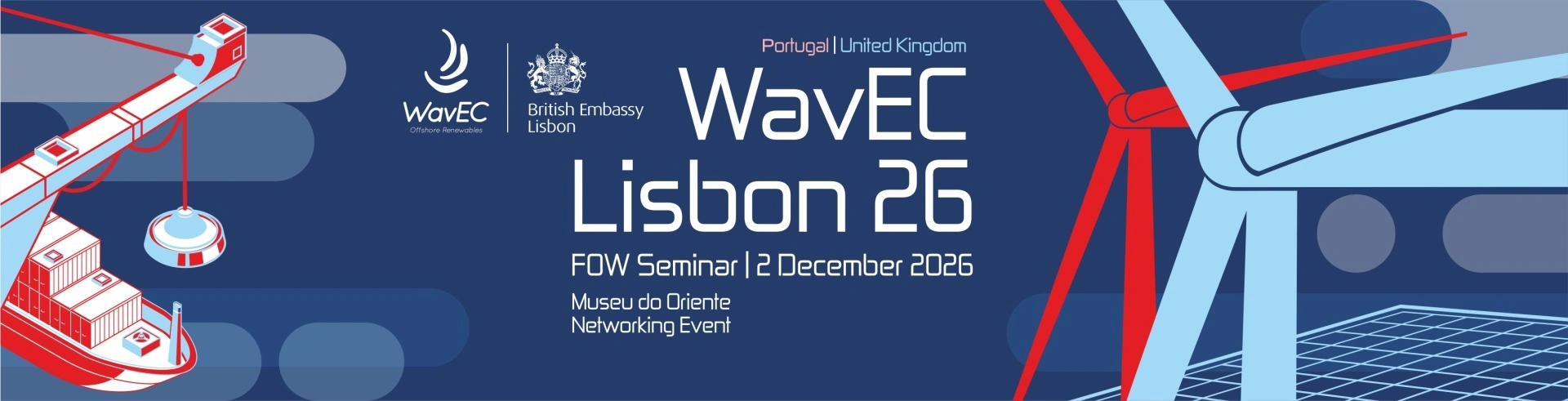
Join us for the WavEC Annual Seminar 2026 on December 2nd at Museu do Oriente, Lisbon, focusing on offshore renewable energy.
Dates
2 Dec 2026
City / country
Lisbon, Portugal
Venue
Museu do Oriente
Time
confirm daily opening hours on the organiser registration page
Are you the organiser of this event?
Event overview
The WavEC Annual Seminar 2026 will be held on December 2nd at the Museu do Oriente in Lisbon, Portugal. This prestigious seminar is dedicated to offshore renewable energy and aims to foster dialogue among industry leaders, policymakers, and researchers.
The event is recognized for its high-level discussions and networking opportunities, making it a vital gathering for those involved in the offshore renewables sector. WavEC Annual Seminar 2026 takes place in Lisbon, Portugal.
TL;DR
The WavEC Annual Seminar 2026 will be held on December 2nd at the Museu do Oriente in Lisbon, Portugal. Attendees include industry experts, policymakers, and researchers.
Exhibiting at the WavEC Annual Seminar provides visibility to key decision-makers in the offshore renewable energy sector, opportunities for networking, and the chance to showcase innovative solutions and technologies to a targeted audience. A key event for offshore renewable energy, bringing together industry leaders and policymakers. Attendees include industry experts, policymakers, and researchers.
Attendees, exhibitors & solutions
Visitor profile
Typical attendee groups you can expect to meet.
Exhibitor profile
Main supplier and exhibitor segments present at the show.
Product categories
Key solution areas showcased across the event.
Location & Facilities
Lisbon, Portugal
Museu do Oriente in Lisbon typically provides on-site or adjacent visitor parking during major trade fairs; confirm daily rates, payment methods and hall access on the organiser or venue website before travel.
Food options
On-site catering
On-site diningParking: Museu do Oriente in Lisbon typically provides on-site or adjacent visitor parking during major trade fairs; confirm daily rates, payment methods and hall access on the organiser or venue website before travel.
Gate: Follow organiser signage to the main visitor entrance at Museu do Oriente for badge collection; allow extra time for security screening during peak morning arrival.
Attend
Event days & opening times
Intelligence
Key market insights, trends, news and related events to help you understand the bigger picture.
Why it matters
On 2026-12-02 to 2026-12-02, WavEC Annual Seminar 2026 in Lisbon covering Floating offshore wind technologies, Marine energy solutions, Energy storage systems for renewables, Environmental monit gives marine buyers a single calendar window to compare suppliers, validate specs on the stand, and book follow-ups before the next buying cycle - especially when your roadmap matches the published exhibitor profile.
Key trends shaping this market and its wider industry.
Electrification and hybrid propulsion
What electrification and hybrid propulsion means for buyers and exhibitors in this sector.
Connected helm and telematics
What connected helm and telematics means for buyers and exhibitors in this sector.
Sustainable materials and refit
What sustainable materials and refit means for buyers and exhibitors in this sector.
Experience-led watersports demand
What experience-led watersports demand means for buyers and exhibitors in this sector.
Supply-chain regionalisation
What supply-chain regionalisation means for buyers and exhibitors in this sector.
Plan your trip

Choose from the following airports, with convenient access to the event and venue.
Lisbon Humberto Delgado
Lisbon Humberto Delgado (LIS) is the main commercial gateway serving Lisbon; allow 45-60 min by road or rail to Museu do Oriente.
to venue
by car
A range of accommodation options near the venue and across key areas.
LX Hostel
USD 40–70 / night
Closest accommodation in the capture set, roughly a 10-minute walk from the museum along the Alcântara waterfront. Budget option with shared facilities; no star rating or official rate was captured, so the band is a December low-season estimate.
JAM Lisbon
USD 100–130 / night
Captured with a 4.5 rating from 593 reviews and amenities including paid breakfast, free Wi-Fi, paid parking, outdoor pool, air conditioning, bar and restaurant. Walkable to the venue in about 15 minutes; the capture price was displayed in INR, so the EUR band is converted and approximate.
Garam Lisboa Guesthouse
USD 155–195 / night
Small guesthouse product with free breakfast, free Wi-Fi, air conditioning, parking and airport shuttle per the capture. No live price was recorded, so the band reflects typical December rates for this class in the Alcântara and Belém corridor.
The Central House Lisbon Baixa
USD 95–135 / night
Central location convenient for evening restaurants, but requires a daily tram 15E or bus ride of 20-30 minutes to reach Alcântara. Good fallback when the Alcântara corridor is full.
Pestana Palace Lisboa
USD 240–290 / night
Historic palace hotel with gardens in the Alto de Santo Amaro area, the highest-tier option within walking distance of the museum. Useful if you are hosting client dinners or hosting a delegation.
Get around the city with these convenient transport options.
metro
Metropolitano de Lisboa does not reach Alcântara directly, so plan a change at Alameda, São Sebastião or Baixa-Chiado and a final Carris leg. Total door-to-door time from LIS is commonly 45-60 minutes with luggage.
tram
Tram 15E runs the riverside corridor toward Algés and passes the Alcântara district, a few minutes' walk from the Museu do Oriente. Trams are often crowded at peak times and pickpocketing is a known risk - keep bags closed.
bus
Several Carris routes run the Alcântara corridor and stop near the museum and Alcântara-Mar station. Buses accept navegante cards and contactless where fitted; keep small change as a backup.
suburban rail
A useful rain-proof option if you are staying in the Baixa or Santos: the Cascais line hugs the river and puts you about 5-10 minutes' walk from the venue. Trains run frequently on weekdays.
taxi
Journey time is 20-30 minutes off-peak and 30-45 minutes at rush hour. Use the official taxi rank outside Terminal 1 arrivals and agree the approximate fare or insist on the meter before departure.
ride-hailing
Uber, Bolt and FREE NOW all operate in Lisbon. Pick-up at LIS is on the departures level of Terminal 1; drop-off at the museum forecourt is straightforward outside event opening times.
parking
The museum has an underground car park serving the Doca de Alcântara building. If the venue car park is reserved for organisers, use public parking near Alcântara-Mar station and walk 5-10 minutes.
Weather
Lisbon in early December is mild but wet: climatological averages put daytime highs near 15-16 C and nights near 8-10 C, with roughly 100-110 mm of rain across about a dozen rain days, making December the wettest month of the year. Rain usually arrives in showery spells off the Atlantic rather than continuous all-day downpours, but the Museu do Oriente sits directly on the Tagus at Doca de Alcântara, where wind funnels along the waterfront and makes the quay feel several degrees cooler than the sheltered streets behind it. Pack a waterproof outer layer plus a warm mid-layer, and expect short wet walks between tram stops, the Alcântara-Mar rail station and the museum entrance. Check a local forecast within 48 hours of travel; these are seasonal bands, not a specific 2026 forecast.
Plan for the climate
Check temperatures and pack accordingly
Venue connectivity
Portugal is an EU member, so EU roaming rules apply: visitors on EU/EEA mobile contracts can use their home allowance at no extra cost, subject to fair-use limits. UK and non-EU travellers should check their operator's roaming terms or buy a local prepaid SIM or eSIM from MEO, NOS or Vodafone Portugal, which are sold at LIS airport and in Lisbon shopping centres. 5G coverage is strong across central Lisbon and the Alcântara corridor. Venue Wi-Fi availability at Museu do Oriente should be confirmed with the organiser, and mobile data is the safer backup for email and app-based transport during sessions.
Ride-hailing
Taxis
Public transit
Car rentals
Useful information to help you have a smooth and respectful visit.
Language at the venue
Conference sessions at WAVEC's international offshore renewables events are normally in English, while Portuguese is the everyday language in Lisbon. Hotel and restaurant staff in the Alcântara, Belém and Baixa districts generally speak English; a few words of Portuguese are appreciated but not required.
Business etiquette
Portuguese technical and academic circles are relatively informal in dress but formal in introductions - use titles and surnames until invited otherwise. Meetings often start with a few minutes of personal conversation, and arriving exactly on time is expected for a seminar session even if social invitations run looser.
Tipping and payments
Tipping is modest by northern European standards: rounding up or leaving 5-10 percent in restaurants is normal for good service, and small change is fine for cafes and taxis. Cards are widely accepted in Lisbon, but keep EUR 20-30 in cash for small kiosks, trams and the occasional taxi card machine failure.
The Alcântara setting
The Museu do Oriente occupies a converted former cod-drying warehouse on the Doca de Alcântara, part of Lisbon's old riverside industrial belt. The surrounding area mixes port infrastructure, the LX Factory creative complex and modern office buildings, and it is about 3 km west of the Baixa - useful context when planning dinner or an evening walk back along the Tagus.
December in the city
Early December is low tourist season but Lisbon's Christmas lights and markets are already up, so central restaurants fill in the evenings. The museum district is quiet after working hours, so plan evening meals in Alcântara, Santos or the Baixa rather than expecting options immediately beside the venue.
Safety and practicalities
Lisbon is generally safe for business visitors, but tram 15E and the Baixa are known for pickpocketing, especially when crowded. Emergency number is 112 for police, fire and ambulance. Tap water is safe to drink, and pharmacies are identifiable by the green cross sign.
Practical guides
Everything needed to arrive prepared, navigate the event, and make the visit productive.
Destination: LIS
Lisbon Humberto Delgado (LIS) is the arrival airport for this event and the only realistic scheduled gateway for most international delegates. Google Flights captures for a 2-6 December 2026 trip show nonstop options such as London Heathrow and New York JFK, with the transatlantic leg on TAP or JetBlue taking about seven hours. Price insight panels advise booking roughly three to six months ahead for long-haul routes and up to about five months ahead for short-haul European routes; one capture showed Sydney fares around EUR 601 cheaper than usual for these dates, though individual ticket amounts were not displayed. Displayed fares normally include taxes and mandatory fees for one adult, with checked bags, seat selection and changes priced separately. Book the flight and the hotel together once the programme is confirmed, and avoid tight same-day connections into the first morning session given December weather delays in northern Europe.
Get to the venue and around the city with these options.
Airport → venue: Primary gateways: Lisbon Humberto Delgado (LIS): Lisbon Humberto Delgado (LIS) is the main commercial gateway serving Lisbon; allow 45-60 min by road or rail to Museu do Oriente.. Allow road or rail time to Museu do Oriente; on-site parking is usually available at major exhibition venues.
Hotel → venue: Precinct hotels near Museu do Oriente: Alcântara / Lisbon, approx. 700 m from Museu do Oriente: LX Hostel; Lisbon, approx. 1.1 km from Museu do Oriente: JAM Lisbon; Lisbon, near Museu do Oriente: Garam Lisboa Guesthouse.
Ride-hail: Uber, Bolt and FREE NOW operate throughout Lisbon, including pick-ups at LIS Terminal 1 and drop-offs at the Museu do Oriente forecourt on Avenida Brasília. Expect roughly EUR 10-18 for the airport-to-Alcântara trip off-peak, with surge pricing during rush hour and rain - December showers can push prices up quickly, so compare the app quote against the taxi rank before choosing. For the return to the airport, allow extra time in the evening peak and request the Terminal 1 departures level rather than arrivals. Ride-hailing is also the practical way to reach restaurants in the Baixa or Santos after sessions when trams are packed.
Public transit: Lisbon's network is split between Metropolitano de Lisboa (metro), Carris (buses, trams and the funiculars) and CP (suburban and regional trains), all usable with a rechargeable navegante card or contactless where available. The Museu do Oriente sits in the Alcântara corridor: Carris tram 15E runs along the river from Praça da Figueira and Cais do Sodré toward Algés and stops a few minutes' walk from the museum, while several Carris buses serve Alcântara-Mar. CP's Cascais suburban line stops at Alcântara-Mar, roughly 5-10 minutes on foot from the venue, which is the most reliable option in heavy rain if you are staying in the Baixa or Santos. Gare do Oriente, despite the name, is about 3 km north-east of the museum and is not a walkable connection - treat it as a long-distance rail gateway only. Single journeys cost approximately EUR 1.65-2.00 depending on card versus onboard payment; confirm current fares and route changes on the Carris and Metropolitano de Lisboa planners on the day.
Parking: The Museu do Oriente building has an underground car park serving the Doca de Alcântara complex, with additional public parking along Avenida Brasília and around Alcântara-Mar station. Expect approximately EUR 10-18 for a full day, or EUR 1-2 per hour, and confirm on arrival whether any delegate rate is arranged - the organiser, not the venue website alone, is the reliable source for event-day parking allocation. Traffic on the Avenida Brasília and the Alcântara access roads is heavy in the morning peak, so allow 20-30 minutes extra if you drive in on the first morning. Parking is the least convenient arrival mode for this venue; tram 15E or the Cascais line is usually faster from central hotels.
Plan and pack for the event climate.
Month: December 2026
Temperature: Approx. 9-16 C: daytime highs near 15-16 C and nights around 8-10 C, based on the climatological December average for Lisbon - confirm the actual forecast before travel
Seasonality: December is on average Lisbon's wettest month, with roughly 100-110 mm of rain spread across about a dozen rain days. Expect showery Atlantic spells rather than constant rain, plus wind along the exposed Tagus waterfront at Alcântara that makes the venue approach feel colder and wetter than the sheltered city streets.
Packing: Pack a waterproof shell with a hood rather than relying on an umbrella, which is awkward in Tagus wind, plus a warm mid-layer and a light jumper for air-conditioned session rooms. Bring comfortable waterproof walking shoes for the Alcântara quay cobbles and the walk from Alcântara-Mar station, smart-casual clothing for a technical seminar, an EU Type F plug adapter, a portable battery for long days away from the hotel, and a small folding bag to keep notes and a laptop dry in showers.
Plan your trip
Best day to visit: Day 2 (mid-show)
Mid-show days at WavEC Annual Seminar 2026 usually combine full exhibitor attendance with scheduled B2B meetings, before early pack-down on the final day.
T-9 days: download the Carris and Metropolitano de Lisboa apps or a navegante card plan, and note that tram 15E and Alcântara-Mar rail station serve the museum district.
T-8 days: review the published agenda and shortlist the sessions on floating foundations, mooring loads, dynamic cables and test-site results that match your project stage.
T-7 days: prepare two or three concrete technical questions so question-and-answer time is useful rather than generic.; T-6 days: print or save travel insurance details covering marine and offshore site excursions if you plan any quayside visits.
T-5 days: check the 10-day Lisbon forecast and pack a waterproof shell, warm mid-layer and shoes suitable for walking on the Alcântara quay cobbles.; T-4 days: confirm restaurant bookings for any evening meetings - December evenings fill up in Lisbon with seasonal diners.
T-3 days: charge devices and pack an EU Type F plug adapter; Portuguese sockets are 230 V, 50 Hz.; T-1 day: reconfirm your arrival route from LIS, keep some euro cash for taxis and small cafes, and set out business cards for the seminar breaks.
T-14 days: confirm your registration status on wavec.org and check whether the organiser requires a QR code, printed badge or ID at the Museu do Oriente desk.; T-14 days: book the Lisbon hotel with a cancellable rate - early December is low season but the Alcântara area has limited rooms within walking distance.
T-12 days: book flights into Lisbon Humberto Delgado (LIS) and leave at least 90 minutes between landing and any same-day session start.
T-10 days: check your passport validity against Schengen entry rules and confirm whether you need a visa or an invitation letter from WAVEC.
Registration and hall orientation at Museu do Oriente
Supplier meetings and product demos
Final negotiations and follow-up
WavEC Annual Seminar 2026 registration concourse
Museu do Oriente
Central meeting point before and between hall appointments during show days.
Organiser B2B lounge (if offered)
Museu do Oriente
Hosted matchmaking and buyer programmes when published by the organiser.
Budget

Adjust the inputs below to create a directional event budget.
This is a directional estimate. Please verify live rates before booking.
Decision
Use this quick check to decide whether WavEC Annual Seminar 2026 fits your visit, exhibit or skip plan.
QUESTION 1 OF 6
For WavEC Annual Seminar 2026, what is your primary role on the show floor?
Compare participation options side by side to choose the best fit for your objectives.
visit
Your category focus and target suppliers align with the official exhibitor profile.
Best for
Buyers, engineers, and delegates sourcing Floating offshore wind technologies and Marine energy solutions solutions and benchmarking suppliers at WavEC Annual Seminar 2026 in Lisbon.
Min. budget
$677.00
Timeline
4-8 weeks before opening day for registration, hotels, and travel.
Risks
Session times and ticket tiers may change - confirm the official agenda before booking.
exhibit
You have a defined lead-generation or distributor recruitment goal for this market.
Best for
Brands and manufacturers launching Floating offshore wind technologies and Marine energy solutions products who need qualified meetings with the event's trade audience.
Min. budget
$3,046.00
Timeline
3-6 months for stand booking, freight, staffing, and pre-show marketing.
Risks
Booth pricing and corner premiums vary by hall - confirm with the organiser sales team.
skip
Audience, geography, or commercial goals do not justify travel and stand costs this cycle.
Best for
Teams with weak category fit, budget constraints, or overlapping commitments during the Lisbon show week.
Timeline
N/A
Risks
Skipping may mean missing buyer meetings if competitors exhibit or attend the same week.
Gallery
FAQs & glossary
Frequently asked
Glossary
Also known as
Alternate names and search phrases for this event.
1 more alternate names hidden
Trust footer
1
References
1
Publishers
0
Date checked
WavEC
Display a free company card at your booth, or share your professional card on the show floor.