Digital buyer journeys
What digital buyer journeys means for buyers and exhibitors in this sector.

Join us for the Smithsonian Craft Show from April 28 to May 2, 2027, at the National Building Museum in Washington, DC, showcasing exceptional American craftsmanship.
Dates
28 Apr – 2 May 2027
City / country
Washington, United States
Venue
National Building Museum
Event overview
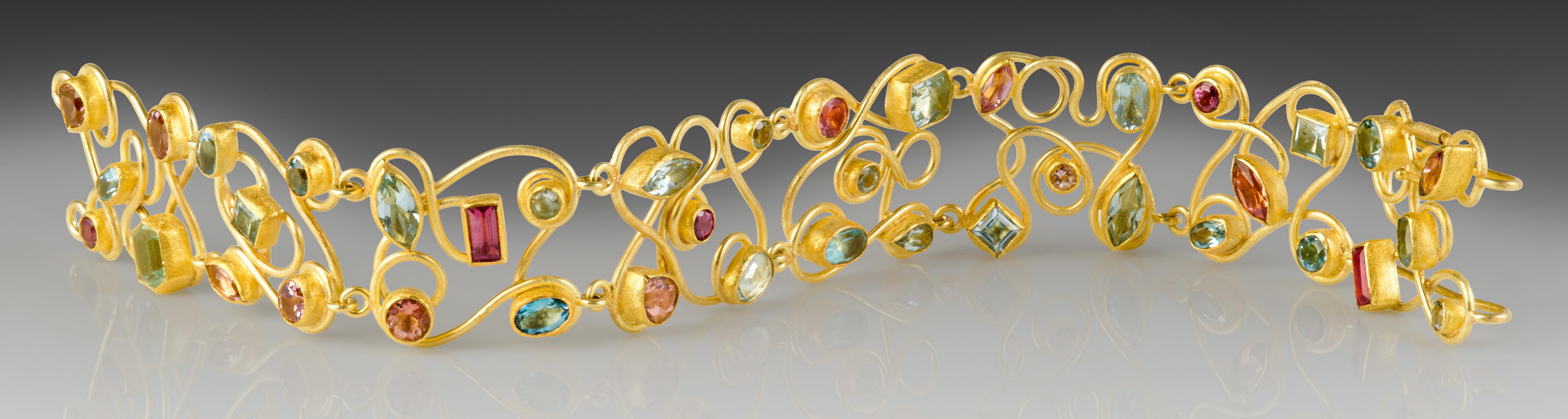
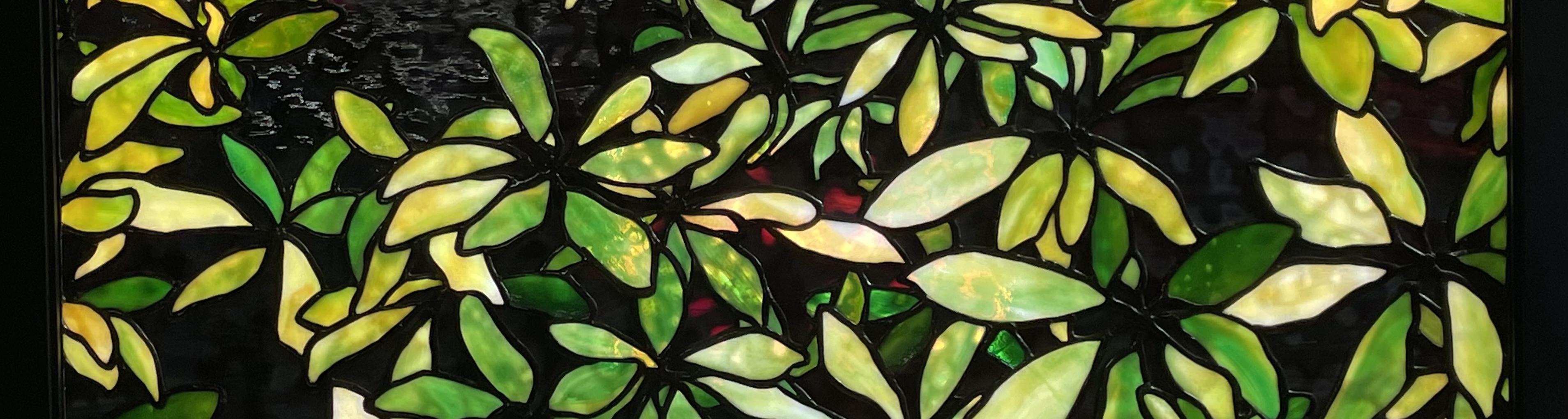
The Smithsonian Craft Show is a juried exhibition and sale featuring the finest in contemporary craft and design, held annually in Washington, DC. The theme for the 2027 show, Artful Design, highlights the many pathways of craft from functionality into artistry, creative technique, and design.
Proceeds from the show fund grants that benefit the Smithsonian's education, outreach, conservation, and research programs. Smithsonian Craft Show takes place in Washington, United States.
TL;DR
The Smithsonian Craft Show is a juried selling exhibition rather than a wholesale order-writing fair: the National Building Museum's halls are lined with booths where you meet the ceramist, jeweler, furniture maker or textile artist and can often take the work home that day. Attendees include art collectors, craft enthusiasts,.
Exhibitors gain visibility among a diverse audience of art collectors, craft enthusiasts, and professionals. This premier event showcases the finest in hand-crafted American artisanal works, featuring over 120 selected artists. Attendees include art collectors, craft enthusiasts, and professionals seeking unique handcrafted items.
Attendees, exhibitors & solutions
Visitor profile
Typical attendee groups you can expect to meet.
Exhibitor profile
Main supplier and exhibitor segments present at the show.
Product categories
Key solution areas showcased across the event.
Location & Facilities
Halls & areas
1401 F St NW, Washington, DC 20001
National Building Museum in Washington typically provides on-site or adjacent visitor parking during major trade fairs; confirm daily rates, payment methods and hall access on the organiser or venue website before travel.
Food options
On-site catering
On-site diningParking: National Building Museum in Washington typically provides on-site or adjacent visitor parking during major trade fairs; confirm daily rates, payment methods and hall access on the organiser or venue website before travel.
Gate: Follow organiser signage to the main visitor entrance at National Building Museum for badge collection; allow extra time for security screening during peak morning arrival.
Attend
General admission
General admission per person
General admission
Admission for groups of 10 or more, students, and active military
General admission
Multi-day admission
General admission
Preview Night Benefit Party
General admission
Preview Night Benefit Party + Visionary Artist Reception
How the last edition performed
Next edition
Not announced yet
Intelligence
Key market insights, trends, news and related events to help you understand the bigger picture.
Why it matters
On 2027-04-28 to 2027-05-02, Smithsonian Craft Show in Washington covering Ceramics and pottery, Jewelry and adornments, Furniture and home decor, Textiles and wearable art, Glass art and sculptu gives fashion buyers a single calendar window to compare suppliers, validate specs on the stand, and book follow-ups before the next buying cycle - especially when your roadmap matches the published exhibitor profile.
Key trends shaping this market and its wider industry.
Digital buyer journeys
What digital buyer journeys means for buyers and exhibitors in this sector.
Sustainability in procurement
What sustainability in procurement means for buyers and exhibitors in this sector.
Automation and labour efficiency
What automation and labour efficiency means for buyers and exhibitors in this sector.
Regional supply-chain resilience
What regional supply-chain resilience means for buyers and exhibitors in this sector.
Hybrid engagement models
What hybrid engagement models means for buyers and exhibitors in this sector.
Plan your trip

Choose from the following airports, with convenient access to the event and venue.
Washington Dulles International Airport
Main long-haul gateway for the region. Allow extra time for the Silver Line ride or a taxi into the city
TBA
to venue
Approx. 45-70 min by taxi or rideshare depending on traffic; the WMATA Silver Line connects the airport to Metro Center
by car
Baltimore/Washington International Thurgood Marshall Airport
Useful alternative when DCA and IAD fares are high. The rail link to Union Station avoids road traffic, then continue by Metrorail or taxi to the museum
TBA
to venue
Approx. 45-70 min by road; MARC Penn Line and Amtrak trains connect the airport rail station to Washington Union Station
by car
A range of accommodation options near the venue and across key areas.
Holiday Inn Express Washington DC Downtown by IHG
USD 250–290 / night
Approximate nightly band for the show dates; free cancellation and pet-friendly policy listed, confirm before booking.
Holiday Inn National Airport/Crystal City by IHG
USD 265–300 / night
Approximate nightly band for the show dates; airport-area property on the Metrorail Yellow line, useful for early flights and DCA arrivals.
Get around the city with these convenient transport options.
Metrorail (WMATA)
Use a SmarTrip card or mobile pay; the museum is a short walk from both stations. Peak and off-peak pricing applies.
Metrobus
Bus routes and walking directions to the museum are catalogued on Moovit; allow extra time in traffic.
Taxi from DCA
Quickest door-to-door option with portfolios or fragile purchases; confirm the meter and payment method at pickup.
Rideshare
Uber and Lyft operate in Washington; use the app's designated drop-off point and allow time for event traffic.
Driving and parking
Reserve a space through SpotHero, ParkMobile or Parkopedia and check garage closing times before an evening event.
Taxi from IAD
A long ride in heavy traffic; the Silver Line to Metro Center is often cheaper and more predictable.
Airport rail from BWI
Check the MARC Penn Line timetable in advance; Amtrak fares vary by train and booking time.
Weather
Late April and early May in Washington DC are typically mild and changeable, with daytime highs around 18-24 C (65-75 F) and overnight lows around 8-13 C (46-55 F). Spring showers are common, and the National Building Museum's large masonry halls can feel cool in the morning. These are climatological ranges, not a forecast: check the live forecast for 28 April to 2 May 2027 before packing. Open-Meteo air-quality data for Washington showed low US AQI values in the sample period, but sensitive visitors should check local advisories during their stay.
Plan for the climate
Check temperatures and pack accordingly
Venue connectivity
US carriers Verizon, AT&T and T-Mobile provide 4G and 5G coverage across central Washington. International visitors can buy an eSIM before departure or a prepaid SIM at DCA or IAD, and should confirm their phone supports US bands. Power is 120 V at 60 Hz with Type A and B plugs, so UK, EU and Australian devices need a plug adapter and, for some electronics, a voltage converter. Download tickets, maps and the WMATA app before arrival rather than relying on venue Wi-Fi.
Ride-hailing
Taxis
Public transit
Car rentals
Useful information to help you have a smooth and respectful visit.
Looking and handling
Treat the museum and the booths as a gallery: look closely, but do not pick up a ceramic, glass piece or jewelry without asking the artist first. Makers expect questions and will usually invite you to handle work when it is safe.
Talking with makers
Artists staff their own booths, so ask about materials, firing, care, edition size, commissions and the story behind a piece. A specific question about process is more welcome than a general request for a discount.
Buying and carrying
Many small works are cash-and-carry, while furniture, large vessels and fragile pieces are usually shipped. Confirm packing, insurance and delivery timing before paying, and keep the artist's card for follow-up.
Payments and tipping
Cards are widely accepted in Washington, including at many artist booths, but carry some cash for smaller purchases. Restaurant tipping is typically 18-20 percent, and taxis and rideshares expect a tip in the app or in cash.
Pace of the show
Weekday mornings are generally quieter for conversations with artists, while weekend afternoons are busiest. If you are considering a high-value piece, ask whether the artist can hold it briefly while you walk the rest of the floor.
Practical guides
Everything needed to arrive prepared, navigate the event, and make the visit productive.
For the 28 April to 2 May 2027 window, compare DCA, IAD and BWI rather than assuming one airport is cheapest. Reagan National (DCA) is closest to the museum and has its own Metrorail station; Dulles (IAD) handles more long-haul routes and connects by the Silver Line; BWI can be cheaper but adds a MARC or Amtrak leg to Union Station. A Google Flights search for New York JFK to DCA showed direct flights of about 1 hour 29 minutes to 1 hour 46 minutes and flagged prices as currently high, so book early, set fare alerts and confirm baggage and change rules before purchase.
Get to the venue and around the city with these options.
Airport → venue: Primary gateways: Washington Dulles International Airport: Approx. 45-70 min by taxi or rideshare depending on traffic; the WMATA Silver Line connects the airport to Metro Center; Baltimore/Washington International Thurgood Marshall Airport: Approx. 45-70 min by road; MARC Penn Line and Amtrak trains connect the airport rail station to Washington Union Station. Allow road or rail time to National Building Museum; on-site parking is usually available at major exhibition venues.
Hotel → venue: Precinct hotels near National Building Museum: Downtown Washington DC: Holiday Inn Express Washington DC Downtown by IHG; Crystal City / Reagan National Airport: Holiday Inn National Airport/Crystal City by IHG.
Ride-hail: Uber and Lyft both operate across Washington DC, and the airport pick-up areas at DCA and IAD are signposted in the app. For the National Building Museum, set the destination to 401 F Street NW and use the designated kerbside drop-off rather than stopping in a bus lane. Fares from downtown hotels are typically in the region of USD 15-28 outside surge periods, while DCA rides are usually USD 20-30; confirm the fare estimate in the app before requesting.
Public transit: The National Building Museum is served by WMATA Metrorail stations at Judiciary Square (Red Line) and Gallery Place-Chinatown (Red, Yellow and Green lines), both a short walk from 401 F Street NW. Metrobus routes also run along F Street and nearby avenues. Use a SmarTrip card or mobile pay; single journeys are approximately USD 2.25-6.75 depending on distance and time of day, and Metrobus is approximately USD 2.25. Check the WMATA trip planner for live routing, service changes and current fares before travel.
Parking: The museum does not advertise a large dedicated visitor car park, so plan to use commercial garages within a few blocks of 401 F Street NW. Rates are typically in the region of USD 15-35 per day, with event and evening pricing sometimes higher. Reserve a space through SpotHero, ParkMobile or Parkopedia where possible, check the garage's closing time and allow extra minutes for walking to the entrance.
Plan and pack for the event climate.
Month: Late April to early May 2027
Temperature: Daytime highs typically around 18-24 C (65-75 F), with overnight lows around 8-13 C (46-55 F). These are approximate seasonal ranges for Washington DC in late April and early May, not a specific forecast for the show dates.
Seasonality: Spring is a showery season in Washington, and rain is possible on any day during the show. Cherry blossom peak is usually earlier in spring, so late April visitors should plan for green parks, variable temperatures and occasional thunderstorms rather than blossom season.
Packing: Pack layers that work in a cool museum hall and a warmer street, a compact umbrella or light rain jacket, and comfortable shoes for walking and standing on hard floors. Bring a tote or padded bag for small purchases, and keep receipts and artist care cards in a separate folder. A light scarf or sweater is useful for air-conditioned interiors.
Plan your trip
Best day to visit: Day 2 (mid-show)
Mid-show days at Smithsonian Craft Show usually combine full exhibitor attendance with scheduled B2B meetings, before early pack-down on the final day.
13 days out - Book a refundable hotel within walking distance of 401 F Street NW or on a direct Metrorail line to Judiciary Square or Gallery Place-Chinatown.
12 days out - Compare flights into DCA, IAD and BWI; Reagan National is the closest airport to the museum and has its own Metrorail station.
11 days out - Check smithsoniancraftshow.org for 2027 opening hours, ticket collection details and any timed-entry or member-slot arrangements.
10 days out - Set up a WMATA SmarTrip card or app for Metrorail and Metrobus, and check the trip planner from your hotel to the museum.
9 days out - Agree a budget that covers artwork purchases, shipping and insurance, not just the ticket and hotel.
8 days out - Review the exhibitor list or show preview and mark the makers you most want to see by medium and price range.; 7 days out - Check the Washington forecast and pack layers, a compact umbrella and shoes suitable for museum floors and walking.
5 days out - Confirm your hotel cancellation window and your airport transfer plan, especially if you land at IAD or BWI.
4 days out - Ask your bank about card limits and travel notices if you plan to buy a high-value piece.
3 days out - Make a shortlist of questions for artists: materials, care, edition size, shipping and commission lead times.
2 days out - Charge your phone and camera, clear storage, and pack a tote plus bubble wrap or a padded case for small purchases.
1 day out - Confirm which entrance on F Street NW is in use and allow extra time for entry and bag checks.
14 days out - Buy general admission or multi-day tickets online and decide whether the Preview Night Benefit Party is worth the higher ticket for early access.; Day of - Arrive near opening for quieter aisles; weekend afternoons are typically the busiest period.
Registration and hall orientation at National Building Museum
Supplier meetings and product demos
Final negotiations and follow-up
Smithsonian Craft Show registration concourse
National Building Museum
Central meeting point before and between hall appointments during show days.
Organiser B2B lounge (if offered)
National Building Museum
Hosted matchmaking and buyer programmes when published by the organiser.
Budget

Adjust the inputs below to create a directional event budget.
This is a directional estimate. Please verify live rates before booking.
Official cost items and estimated ranges for exhibitors.
visitor_ticket
visitor · General admission
USD 25 / per person
| Item | For | Tier | Estimated range | Status | As of |
|---|---|---|---|---|---|
| visitor_ticket | visitor | General admission | USD 25 / per person | organiser_published |
Decision
Use this quick check to decide whether Smithsonian Craft Show fits your visit, exhibit or skip plan.
QUESTION 1 OF 6
For Smithsonian Craft Show, what is your primary role on the show floor?
Compare participation options side by side to choose the best fit for your objectives.
visit
Your category focus and target suppliers align with the official exhibitor profile.
Best for
Buyers, engineers, and delegates sourcing Ceramics and pottery and Jewelry and adornments solutions and benchmarking suppliers at Smithsonian Craft Show in Washington.
Min. budget
$1,300.00
Timeline
4-8 weeks before opening day for registration, hotels, and travel.
Risks
Session times and ticket tiers may change - confirm the official agenda before booking.
exhibit
You have a defined lead-generation or distributor recruitment goal for this market.
Best for
Brands and manufacturers launching Ceramics and pottery and Jewelry and adornments products who need qualified meetings with the event's trade audience.
Min. budget
$5,850.00
Timeline
3-6 months for stand booking, freight, staffing, and pre-show marketing.
Risks
Booth pricing and corner premiums vary by hall - confirm with the organiser sales team.
skip
Audience, geography, or commercial goals do not justify travel and stand costs this cycle.
Best for
Teams with weak category fit, budget constraints, or overlapping commitments during the Washington show week.
Timeline
N/A
Risks
Skipping may mean missing buyer meetings if competitors exhibit or attend the same week.
FAQs & glossary
Frequently asked
Glossary
Also known as
Alternate names and search phrases for this event.
1 more alternate names hidden
Trust footer
3
References
2
Publishers
0
Date checked
Smithsonian Women’s Committee
Smithsonian Craft Show
Display a free company card at your booth, or share your professional card on the show floor.