Digital buyer journeys
What digital buyer journeys means for buyers and exhibitors in this sector.

SinoFoldingCarton 2027 is a premier trade show for the packaging industry, taking place from April 26 to 28, 2027, in Shanghai, China, at the Shanghai New International Expo Centre.
Dates
26–28 Apr 2027
City / country
Shanghai, China
Venue
Shanghai New International Expo Centre (SNIEC)
Event overview
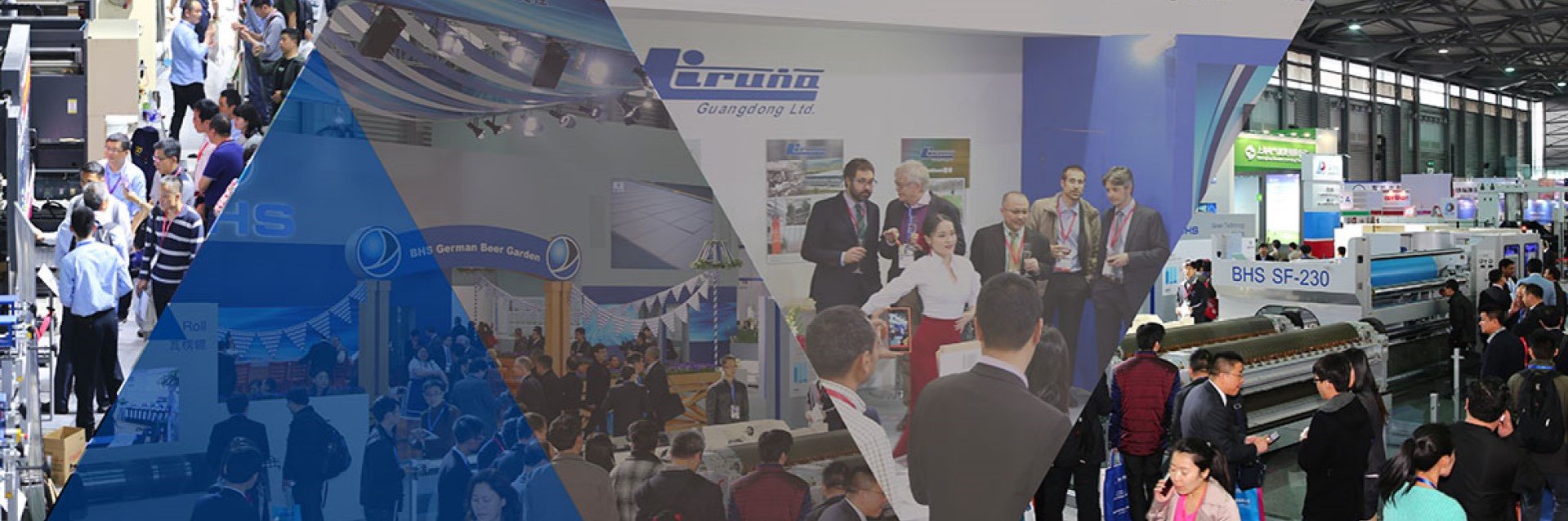
SinoFoldingCarton 2027 serves as a global trade platform for showcasing post-press equipment, consumables, technology, and services for carton manufacturing. The event is expected to gather over 100,000 professional visitors and will be held concurrently with other major exhibitions, creating a comprehensive trade fair experience.
SinoFoldingCarton takes place in Shanghai, China. Venue: Shanghai New International Expo Centre (SNIEC).
TL;DR
Attendees will gain insights into the latest technologies and trends in the packaging industry, network with industry leaders, and explore a wide range of products and services. The event provides a unique opportunity to meet potential suppliers and partners in the packaging sector. The exhibition features a diverse range of exhibitors, showcasing innovations and solutions tailored for the packaging industry.
Exhibiting at SinoFoldingCarton 2027 offers companies the chance to connect with a targeted audience of industry professionals and decision-makers. It provides a platform to showcase new products, generate leads, and enhance brand visibility in the competitive packaging market. Participating in this event allows exhibitors to engage directly with potential buyers and partners, facilitating valuable business relationships.
Attendees, exhibitors & solutions
Visitor profile
Typical attendee groups you can expect to meet.
Exhibitor profile
Main supplier and exhibitor segments present at the show.
Product categories
Key solution areas showcased across the event.
Location & Facilities
Shanghai, China
Shanghai New International Expo Centre (SNIEC) in Shanghai typically provides on-site or adjacent visitor parking during major trade fairs; confirm daily rates, payment methods and hall access on the organiser or venue website before travel.
Food options
On-site catering
On-site diningParking: Shanghai New International Expo Centre (SNIEC) in Shanghai typically provides on-site or adjacent visitor parking during major trade fairs; confirm daily rates, payment methods and hall access on the organiser or venue website before travel.
Gate: Follow organiser signage to the main visitor entrance at Shanghai New International Expo Centre (SNIEC) for badge collection; allow extra time for security screening during peak morning arrival.
Attend
Who runs the show
China Packaging Federation and RX
Organiser
How the last edition performed
Last edition
2026
Visitor countries: 153
This edition
—
Visitors: 100,000
Next edition
Not announced yet
Intelligence
Key market insights, trends, news and related events to help you understand the bigger picture.
Why it matters
On 2027-04-26 to 2027-04-28, SinoFoldingCarton in Shanghai covering Folding carton converting equipment, Pre-press equipment, Printing machines, Testing machines, Packaging materials, Logi gives packaging buyers a single calendar window to compare suppliers, validate specs on the stand, and book follow-ups before the next buying cycle - especially when your roadmap matches the published exhibitor profile.
Key trends shaping this market and its wider industry.
Digital buyer journeys
What digital buyer journeys means for buyers and exhibitors in this sector.
Sustainability in procurement
What sustainability in procurement means for buyers and exhibitors in this sector.
Automation and labour efficiency
What automation and labour efficiency means for buyers and exhibitors in this sector.
Regional supply-chain resilience
What regional supply-chain resilience means for buyers and exhibitors in this sector.
Hybrid engagement models
What hybrid engagement models means for buyers and exhibitors in this sector.
Plan your trip

Choose from the following airports, with convenient access to the event and venue.
Shanghai Pudong International Airport
Preferred gateway for the fairground: direct taxi on the S1/Longdong Avenue routes, or the Maglev to Longyang Road in about 8 minutes followed by metro or a short taxi to SNIEC. Confirm terminal (T1/T2) before booking the transfer
Approx. 31-35 km from Shanghai New International Expo Centre (SNIEC), Pudong
to venue
Approx. 35-50 min by road outside peak hours; allow 60-75 min in the morning rush
by car
Shanghai Hongqiao International Airport
Convenient for domestic connections and for hotels in the city centre, but a longer cross-city transfer to the Pudong fairground. Hongqiao Railway Station next door links to high-speed trains if you are combining Shanghai with other Chinese production sites
Approx. 35-45 km from SNIEC, crossing from Puxi to Pudong
to venue
Approx. 45-70 min by road, longer at peak hours; Metro Line 2 plus Line 7 takes about 70-85 min
by car
A range of accommodation options near the venue and across key areas.
The Eton Hotel
USD 65–110 / night
Five-star Pudong property with breakfast, free Wi-Fi, free parking, indoor pool, fitness centre and spa; captured rate of about INR 5,760 per stay for the show dates (roughly USD 65-70 per night). Roughly a 10-15 minute taxi to SNIEC.
DoubleTree by Hilton Hotel Shanghai - Pudong
USD 90–160 / night
Pudong business-district hotel with indoor pool, fitness centre, bar and restaurant; breakfast and parking charged separately. Good base for meetings in Jinqiao and Lujiazui after show hours.
Pudong Shangri-La
USD 150–260 / night
Riverside Lujiazui hotel with indoor pool, spa, fitness centre and bar; breakfast charged separately. About 20-30 minutes by taxi to SNIEC and walkable to the Bund ferry and riverside restaurants.
Shanghai Marriott Hotel City Centre
USD 140–240 / night
Central Shanghai Marriott with indoor pool, spa and bar; suited to visitors combining the fair with city or factory-adjacent meetings, with a 30-45 minute commute to the Pudong fairground.
Four Seasons Hotel Shanghai
USD 200–350 / night
City-centre luxury option with pool, spa and fitness centre; the longest commute of the listed five-star properties to SNIEC, best chosen for evening entertainment rather than daily show access.
Holiday Inn Express Shanghai PVG Zhuqiao
USD 50–90 / night
Airport-side express hotel with strong guest reviews; practical for early departures or late arrivals rather than daily fairground access, since the transfer to SNIEC still crosses eastern Pudong.
Home Inn Business Travel (Jinbiao) Shanghai The Bund Nanjinglu St Subway Station Store
USD 45–75 / night
Captured rate of about INR 5,329 for the show dates (roughly USD 60 per night). Simple rooms near Nanjing Road and Line 2, with a metro-plus-transfer commute to SNIEC.
Hi Inn Shanghai The Bund Fuzhou Road
USD 35–60 / night
Two-star budget hotel near the Bund with free Wi-Fi and smoke-free rooms; commute to SNIEC by metro (Line 2 to Line 7) or taxi. Choose it for cost and city access, not for a short fairground walk.
Get around the city with these convenient transport options.
maglev + metro
The Maglev covers the airport run to Longyang Road in about 8 minutes, after which Line 7 or a short taxi reaches the fairground. Fastest option in peak traffic and the easiest for travellers with light luggage.
metro
Line 7 stops at Huamu Road beside the fairground, making this the cheapest daily commute for visitors staying along the Line 7 or Line 2 corridors. Avoid the 08:00-09:30 crush if you carry samples.
metro + shuttle
Organisers and the venue commonly run shuttle buses between Longyang Road and the halls during large events; check the current show transport notice, as the shuttle is not guaranteed year-round.
taxi
About 31-35 km and 35-50 minutes on the fastest toll routes (Longdong Avenue or S1). Queue at the official rank in the terminal rather than accepting offers from touts.
taxi
A cross-city transfer from Puxi to the Pudong fairground, typically 45-70 minutes. Allow extra buffer on Monday mornings and during evening rush, when the elevated ring roads slow considerably.
ride-hailing
DiDi and Amap both operate in Shanghai and accept international cards through Alipay or WeChat Pay. Use the designated ride-hail pickup zones at the halls rather than hailing at random kerbsides.
airport bus
Several airport coach lines serve Pudong hotel clusters and railway stations; frequency is lower than the metro and schedules change, so check the airport ground-transport desk on arrival.
parking
On-site parking is available at the venue but fills quickly on the first show morning. Combine with metro if you are staying in the city centre, and keep the car park entrance name for ride-hailing drop-off.
Weather
Late April in Shanghai is spring: mild, changeable and increasingly humid. Expect daytime temperatures near 20-22 C, nights around 12-14 C, and roughly 10-12 rain days across the month, usually as short showers rather than all-day rain. Halls are air-conditioned and can feel cool during long stand meetings, while the walk between halls is exposed. Check the 72-hour forecast before packing and confirm conditions with your hotel or the organiser's travel note before departure.
Plan for the climate
Check temperatures and pack accordingly
Venue connectivity
Mobile coverage in Shanghai is good on China Mobile, China Unicom and China Telecom, including 5G in Pudong. Buy a China-compatible eSIM before departure or a local SIM at the airport with your passport; roaming from some home carriers restricts data. Hotel and venue Wi-Fi is common but can be slow at peak times, and several international services (including some Google and social platforms) are not directly reachable from mainland networks - install any VPN you need before travelling and keep offline copies of tickets, badges and stand plans. Power is 220 V with Type A and Type I sockets, so bring a universal adapter for laptops and demo equipment.
Ride-hailing
Taxis
Public transit
Car rentals
Useful information to help you have a smooth and respectful visit.
Business cards and introductions
Bring a plentiful supply of business cards and offer them with both hands, ideally with your Chinese-facing details on one side. Meetings often open with introductions by seniority, and the most senior visitor is expected to speak first; sending a junior colleague alone to a machinery negotiation can stall the discussion.
Language at the fairground
Mandarin is the working language on most stands, with English common among export-focused machine builders. Hire a bilingual interpreter for detailed technical or contract talks, and prepare key specifications as a short written brief so numbers survive translation.
Payments and currency
The renminbi (CNY) is the local currency. Alipay and WeChat Pay are the default for taxis, canteens and shops, and both can be linked to international cards before departure. Cards work in hotels and larger restaurants but not everywhere, and tipping is not customary in Shanghai.
Meals and evening meetings
Business dinners are common and often hosted by the Chinese side, with dishes served shared at a round table. Toasting is part of relationship building; it is acceptable to decline alcohol politely. Book restaurants near Lujiazui or the Bund if your hotel is in Pudong, and allow time for a taxi after 21:00.
Scheduling and factory visits
Late April sits inside China's spring trade-fair season, and flights and hotels across business cities fill early. If you plan to add a supplier factory visit in Zhejiang or Jiangsu before or after the show, confirm travel times from Shanghai with your host and leave a full day for each plant rather than squeezing visits between show days.
Practical guides
Everything needed to arrive prepared, navigate the event, and make the visit productive.
Destination: PVG
Book early: late April overlaps with China's spring trade-fair period, which pushes up fares and tightens availability into Shanghai. Sample return economy fares captured on 22 October 2026 for 26-30 April 2027, including taxes and fees for one adult (baggage and seat fees extra), were about CNY 2,732 from Singapore, CNY 4,098 from Tokyo, CNY 4,639 from Sydney, CNY 6,424 from London and CNY 7,590 from New York. Compare both Pudong (PVG) and Hongqiao (SHA) arrivals, check the Maglev and metro operating hours against your landing time, and reconfirm baggage allowances on connecting itineraries before paying.
Get to the venue and around the city with these options.
Airport → venue: Primary gateways: Shanghai Pudong International Airport (PVG): Approx. 35-50 min by road outside peak hours; allow 60-75 min in the morning rush; Shanghai Hongqiao International Airport (SHA): Approx. 45-70 min by road, longer at peak hours; Metro Line 2 plus Line 7 takes about 70-85 min. Allow road or rail time to Shanghai New International Expo Centre (SNIEC); on-site parking is usually available at major exhibition venues.
Hotel → venue: Precinct hotels near Shanghai New International Expo Centre (SNIEC): Pudong, Shanghai: The Eton Hotel; Pudong, Shanghai: DoubleTree by Hilton Hotel Shanghai - Pudong; Lujiazui, Pudong: Pudong Shangri-La.
Ride-hail: DiDi is the dominant ride-hailing app in Shanghai, with Amap and several taxi-hailing mini-programs inside Alipay and WeChat as alternatives. Set up and verify an account before departure, link an international card through Alipay or WeChat Pay, and keep the venue name in Chinese characters for the destination field. During show closing time (late afternoon), demand spikes at the halls - use the designated pickup zones and expect a 5-15 minute wait, or take Line 7 one stop out of the area before calling a car.
Public transit: Shanghai's metro is the fastest low-cost option: Line 7 serves Huamu Road next to the SNIEC complex, and Line 2 links Pudong airport, Hongqiao and the city centre via Longyang Road, where the Maglev also terminates. Single journeys typically cost a few renminbi on the distance-based fare system, payable by ticket machine or QR code. During large shows, shuttle buses often run between Longyang Road and the fairground - check the current show transport notice, as this is not guaranteed every edition. Avoid the 08:00-09:30 peak if you are carrying samples.
Parking: SNIEC has on-site car parks serving the halls, plus nearby commercial parking in the Century Park and Longyang Road area. Expect paid hourly parking with a daily cap rather than free exhibitor parking, and arrive before 08:30 on the first show day to secure a space close to your hall. Confirm the current tariff and the hall-specific car park entrance on the venue or organiser site, as rates and access rules are set per event.
Plan and pack for the event climate.
Month: April 2027 - spring in Shanghai, mild to warm and increasingly humid, with the show falling in the last week of the month
Temperature: Approx. 13-22 C daily range: daytime highs near 20-22 C, nights around 12-14 C; confirm the 72-hour forecast before departure
Seasonality: April is a shoulder month in the Yangtze Delta with roughly 10-12 rain days, usually short showers or overcast spells rather than sustained storms. Typhoon season is later (July-September), so major travel disruption in late April is uncommon, but humid fronts can still make halls feel clammy.
Packing: Pack light layers rather than a heavy coat: a breathable shirt or blouse plus a jacket handles both the warm outdoor walk between halls and cool air-conditioned meeting rooms. Add a compact umbrella or packable rain shell, comfortable walking shoes for long hall distances, and a spare Type A or Type I plug adapter for 220 V sockets. Bring a small bag for board samples and brochures collected on stands.
Plan your trip
Best day to visit: Day 2 (mid-show)
Mid-show days at SinoFoldingCarton usually combine full exhibitor attendance with scheduled B2B meetings, before early pack-down on the final day.
D-14: Check your nationality against current Chinese visa or visa-free transit rules and, if a business visa is needed, request an invitation letter from the organiser before the stated cut-off.
D-13: Book flights into Shanghai Pudong (PVG) in preference to Hongqiao (SHA) for a shorter transfer to the Pudong fairground, and compare arrival times against show opening hours.
D-13: Reserve a hotel in Pudong (Century Park, Longyang Road or Jinqiao) or Lujiazui, and confirm the cancellation policy given late-April demand.
D-12: Draft a target stand list by hall - die-cutting, gluing, window patching, board suppliers - and request meeting slots with two or three priority exhibitors.
D-11: Prepare board samples and job specifications (calliper, run length, carton style) so exhibitors can discuss realistic machine configurations.
D-10: Set up Alipay or WeChat Pay and link an international card, and download an offline Shanghai metro map and translation app.; D-9: Arrange connectivity - a China-compatible eSIM or a local SIM on arrival - and install a VPN before departure if you rely on services that are restricted in mainland China.
D-8: Buy travel insurance covering trade-fair attendance, and check whether your policy excludes machinery demonstration areas.
D-7: Confirm appointment times with suppliers and note which halls they occupy; double-check the hall plan on the organiser site 48 hours before departure for changes.
D-6: Pack business cards, a Type A or Type I plug adapter for 220 V sockets, and printed copies of key technical specifications.
D-5: Plan the airport transfer: Maglev plus metro, taxi, or a pre-booked car through DiDi, with a fallback if your flight lands after midnight.
D-3: Check the Shanghai forecast and pack a light rain layer; hall air-conditioning can feel cool during long stand meetings.
D-14: Confirm your registration status on sino-foldingcarton.com and save the confirmation QR code or badge reference offline on your phone.; D-1: Charge devices, screenshot your badge, hotel address in Chinese characters for taxi drivers, and the venue name (Shanghai New International Expo Centre) for ride-hailing entry.
Registration and hall orientation at Shanghai New International Expo Centre (SNIEC)
Supplier meetings and product demos
Final negotiations and follow-up
SinoFoldingCarton registration concourse
Shanghai New International Expo Centre (SNIEC)
Central meeting point before and between hall appointments during show days.
Organiser B2B lounge (if offered)
Shanghai New International Expo Centre (SNIEC)
Hosted matchmaking and buyer programmes when published by the organiser.
Budget

Adjust the inputs below to create a directional event budget.
This is a directional estimate. Please verify live rates before booking.
Decision
Use this quick check to decide whether SinoFoldingCarton fits your visit, exhibit or skip plan.
QUESTION 1 OF 6
For SinoFoldingCarton, what is your primary role on the show floor?
Compare participation options side by side to choose the best fit for your objectives.
visit
Your category focus and target suppliers align with the official exhibitor profile.
Best for
Buyers, engineers, and delegates sourcing Folding carton converting equipment and Pre-press equipment solutions and benchmarking suppliers at SinoFoldingCarton in Shanghai.
Min. budget
$6,071.00
Timeline
4-8 weeks before opening day for registration, hotels, and travel.
Risks
Session times and ticket tiers may change - confirm the official agenda before booking.
exhibit
You have a defined lead-generation or distributor recruitment goal for this market.
Best for
Brands and manufacturers launching Folding carton converting equipment and Pre-press equipment products who need qualified meetings with the event's trade audience.
Min. budget
$27,319.00
Timeline
3-6 months for stand booking, freight, staffing, and pre-show marketing.
Risks
Booth pricing and corner premiums vary by hall - confirm with the organiser sales team.
skip
Audience, geography, or commercial goals do not justify travel and stand costs this cycle.
Best for
Teams with weak category fit, budget constraints, or overlapping commitments during the Shanghai show week.
Timeline
N/A
Risks
Skipping may mean missing buyer meetings if competitors exhibit or attend the same week.
FAQs & glossary
Frequently asked
Glossary
Also known as
Alternate names and search phrases for this event.
Trust footer
3
References
1
Publishers
0
Date checked
SinoFoldingCarton
Display a free company card at your booth, or share your professional card on the show floor.