Antikmarkt Bremen 2026 brings around 120 antique and vintage dealers to Einkaufszentrum Weserpark on Sunday, 15 November 2026, from 10:00 to 16:00. Entry costs €5, or €4 reduced, with free admission for children under 12 and free parking around the Hans-Bredow-Straße centre.
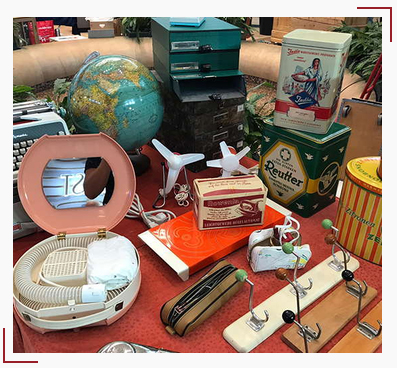
Shoppers browse furniture, porcelain, silver, jewellery, lighting and maritime antiques from more than two centuries, with expert Dr. Ingo Kerls available for valuations.
TL;DR
1Sunday, 15 November 2026, 10:00–16:00 at Einkaufszentrum Weserpark, Bremen.
2Around 120 exhibitors from northern Germany, neighbouring countries and across Germany.
3Entry €5, reduced €4; children under 12 free; more than 4,700 free parking spaces.
4Roughly 3,000 sqm of antiques, vintage design, porcelain, silver, jewellery and maritime pieces.
5Expert Dr. Ingo Kerls offers on-site valuations of visitors' own antiques.
Why visit
A single Sunday delivers roughly 120 stands inside a covered shopping centre, so browsing works whatever the November weather. The range runs from Biedermeier and Art Deco furniture to porcelain, silver, jewellery, lamps and maritime antiques, and visitors can bring their own pieces to Dr. Ingo Kerls for a free assessment. Tickets are inexpensive, children enter free, and free parking plus tram line 1 make the trip easy.
Why exhibit
The market puts sellers in front of a steady regional collector audience that arrives specifically to buy antiques and vintage design, without the cost of a multi-day trade fair stand. Around 120 dealers already use the Bremen date, the hall is a covered shopping centre with vehicle access, and the November date sits at the end of the North German flea-market season when buyers are actively hunting for statement pieces.
Attendees, exhibitors & solutions
Who this event is for
Visitor profile
Typical attendee groups you can expect to meet.
Collectors of porcelain, silver, jewellery and small antiques from Bremen and north-west Germany.
Interior designers and home owners hunting Biedermeier, Art Deco and mid-century furniture.
Vintage and retro buyers looking for design classics, lighting and decorative objects.
Dealers and pickers sourcing stock for shops, fairs and online resale.
Exhibitor profile
Main supplier and exhibitor segments present at the show.
Antique dealers with furniture, porcelain, silver, paintings and collectibles.
Vintage and mid-century design traders with furniture, lighting and ceramics.
Specialist dealers in maritime and Hanseatic antiques, models and nautical instruments.
Jewellery, watch and decorative-arts dealers serving private collectors.
Antiques and Period FurnitureVintage Design and RetroMaritime and Hanseatic Collecting
How the last edition performed
Previous edition
Last edition
2025
Completed
Visitors: 2,500
Exhibitors: 120
Floor area: 3,000 sqm
This edition
2026
Forecast — not final
Visitors: 2,500
Exhibitors: 120
Next edition
2027
The next Bremen antikmarkt is announced for Sunday, 10 January 2027, at Weserpark, followed by 28 February, 22 August and 24 October 2027.
Growth over time
Impact
A bigger and stronger platform
A one-day market of roughly 120 stands and about 2,500 visitors creates a concentrated, low-overhead selling window in Bremen's south-east. Dealers reach regional collectors without a multi-day stand build, while the Weserpark location supplies passing footfall, free parking and public transport access.
Audience quality
High-value decision-makers
Visitors arrive with a specific interest in antiques, vintage design and collecting rather than general shopping, which shortens conversations and raises the share of buyers per stand. The mix skews towards established collectors and interior buyers from Bremen, Oldenburg, Cloppenburg and the Netherlands, with families drawn by free entry for children.
Exhibitor outcomes
Real business growth
For a dealer within driving distance, a €5 admission market with around 120 stands and roughly 2,500 visitors can be worked with one van and a small team. Returns depend on furniture and silver sales rather than lead volume, so price larger pieces to move on the day and keep a card-and-cash mix.
Intelligence
Market context
Key market insights, trends, news and related events to help you understand the bigger picture.
Bremen and north-west Germany
Why it matters
Bremen's market sits in a dense collector corridor between Hamburg, Oldenburg and the Dutch border, where period furniture and maritime objects trade actively. A one-day Sunday format inside a major shopping centre lowers the barrier for private buyers and gives dealers a low-cost route to regional collectors outside the big fair calendar.
Industry trends
Key trends shaping this market and its wider industry.
01
Vintage design keeps pulling younger buyers
Mid-century furniture, lighting and ceramics now sit alongside classical antiques on dealer stands, and the organiser has expanded its portfolio into vintage and design classics over the past five years.
What it changes: Dealers who blend period antiques with curated retro pieces reach both traditional collectors and younger interior buyers.
02
Maritime and regional provenance sells
Bremen's Hanseatic history gives local maritime antiques and farmhouse pieces a clear story, and buyers pay for objects with a traceable regional origin.
What it changes: Sellers should document where a piece came from; provenance turns a generic object into a Bremen-area collectible.
03
Single-day urban markets compete on convenience
Covered shopping-centre venues with free parking and tram access are drawing antique buyers who want a focused six-hour market rather than a multi-day fair.
What it changes: For exhibitors, a one-day format means lower stand and travel costs and a concentrated local audience.
Thörmann antique market circuit
Book Dortmund and Bremen dates together; the Dortmund weekends fall in February, April, August, October and December 2026.
The Bremen date is part of a family-run circuit of German antique and collectors' markets, with the Dortmund international rarities fair the largest sister event.
15–16 Aug 2026
Antik & Sammlermarkt Dortmund
Dortmund, Germany
Two-day international rarities fair in Messe Dortmund Hall 6, about 200 dealers; dates confirmed by Messe Dortmund for 2026.
Visitors from countries without a Schengen visa-waiver agreement
$90.00
typically 15 working days
EU/EEA and many other passport holders can enter Germany visa-free for short business visits; check the German foreign office list for your nationality.
Germany accepts ATA carnets for temporary import of professional equipment and goods for display; confirm the specific goods with customs.
November in Bremen is cool and changeable, with daytime highs around 9°C and lows near 4°C, frequent cloud and a good chance of rain. The market is indoors, but the car parks and tram stops are open to the weather.
Plan for the climate
Check temperatures and pack accordingly
Venue connectivity
German SIM cards and EU roaming are widely available; mobile coverage in the centre is good. The venue has no dedicated exhibitor Wi-Fi, so bring a hot-spot for card terminals.
Ride-hailing
Taxis
Public transit
Car rentals
Cultural notes
Useful information to help you have a smooth and respectful visit.
Cash still matters at market stands
Many small dealers prefer cash and not every stand accepts cards; withdraw euros before arriving and agree the price before paying.
Sunday trading rules
Bremen observes Germany's Sunday closing rules, but the antikmarkt operates as an event inside Weserpark; most high-street shops remain shut, so plan meals around the centre's food outlets.
Practical guides
Visitor & Exhibitor Essentials
Everything needed to arrive prepared, navigate the event, and make the visit productive.
Flights
Destination: Bremen Airport (BRE)
Bremen has limited long-haul service; international visitors usually connect through Frankfurt, Munich or Amsterdam, or fly to Hamburg and take the train.
EU/EEA nationals and many visa-waiver nationalities need no visa for a short business or visitor stay. Others should apply for a Schengen Type C visa before travelling.
Estimated cost: €90
Processing: about 15 working days
Rules depend on nationality; check the German mission in your country well before the market date.
Get to the venue and around the city with these options.
Airport → venue: From Bremen Airport take tram line 6 to the city centre and change to tram line 1 towards Weserpark, about 40 minutes total; a taxi takes 20-25 minutes.
Hotel → venue: Tram line 1 reaches Weserpark from Bremen Hauptbahnhof in about 25 minutes; buses 37, 38, 39 and 740 also serve the centre.
Ride-hail: Local taxis and ride-hailing apps operate in Bremen; expect €28-35 from the airport and €15-22 from the centre.
Public transit: BSAG tram line 1 and bus routes 37, 38, 39 and 740 stop at or near Weserpark; single tickets cost about €3.00.
Parking: More than 4,700 free parking spaces at Weserpark on market Sundays; arrive before 10:30 for the closest bays.
Weather
Plan and pack for the event climate.
Month: November
Temperature: 4-9°C
Seasonality: Changeable, often cloudy with passing rain and wind; daylight fades by 16:30.
Packing: Bring a warm layer and a waterproof coat for the car park and tram, and comfortable shoes for several hours on hard mall flooring.
Plan your trip
Planning
Best day to visit: Sunday, 15 November 2026
This is a one-day market, so the only visit day is Sunday. Arrive at 10:00 for the best furniture selection, or after 14:00 for quieter aisles and more time with dealers.
T-14
Book ticket online and reserve a hotel if travelling from outside Bremen. — Compare the €5 standard and €4 reduced fare; children under 12 need no ticket.
T-10
Plan the journey to Weserpark and check tram line 1 times. — Allow 25 minutes from Bremen Hauptbahnhof and validate a €3.00 zone ticket.
T-7
List the categories and measurements you are shopping for. — Bring a tape measure, room dimensions and photos of the space.
T-3
Check the organiser page for any change to the Sunday date or hours. — The market runs 10:00-16:00; confirm before a long drive.
T-1
Prepare cash, a sturdy bag and items you want valued. — Dr. Ingo Kerls values pieces on site; pack fragile items carefully.
Sample visitor itinerary
Route-optimised day
09:40
Arrive at Weserpark, park free and collect a ticket at the entrance.
Weserpark main entrance
10:00
Walk the furniture and maritime stands before the floor fills.
Centre mall aisles
12:30
Lunch at the centre food court and review purchases.
Weserpark food court
14:00
Return for porcelain, silver and jewellery, and book an expert valuation.
Antiques stands near the market centre
15:45
Collect larger purchases from the dealer and load the car.
Car park off Hans-Bredow-Straße
Side trips
2
Bremen Altstadt and Schnoor
Historic Quarter
20 minutes by tram from Weserpark
UNESCO-listed town hall, Roland statue, cathedral and the narrow Schnoor lanes, plus antique shops and cafés.
Deutsches Schifffahrtsmuseum, Bremerhaven
Maritime Museum
about 65 km, 1 hour by train
Deepens the maritime context behind Bremen's antiques trade and makes a worthwhile extra day.
Networking spots
2
Weserpark food court
On-site meeting point
Central tables and coffee; convenient for a quick dealer meeting during the market.
Viertel café bars, Bremen
Evening networking
Bars and restaurants in the Ostertor quarter, 15 minutes from the centre by tram.
First-timer guide
Follow-up playbook
Photograph every purchase with its receipt and the dealer's stand number.
Save dealer contacts and agree collection or delivery dates in writing.
Record leads with consent and tag them by category and budget.
Send a thank-you message within 24 hours for serious enquiries.
Review sales by category after the market and rebook the next Bremen date early.
A one-day market compresses buying decisions, so follow-up within a day matters more than at a multi-day fair. Keep a simple record of dealer, item, price and delivery terms.
Budget
Costs & budget
Shell scheme
EUR 65–95 / m²
Raw space
EUR 30–45 / m²
Standard booth
9 m²
Indicative German indoor market rates; the Bremen organiser does not publish a tariff online. Confirm before booking.
Free CRM tier with forms and export; configure GDPR consent fields.
FAQs & glossary
Answers
Frequently asked
When is Antikmarkt Bremen in November 2026?
Antikmarkt Bremen takes place on Sunday, 15 November 2026, at Einkaufszentrum Weserpark in Bremen. The one-day market opens at 10:00 and closes at 16:00. It is the final Bremen date in the 2026 calendar, with the next editions announced for 10 January and 28 February 2027.
Where is Antikmarkt Bremen held?
The market is held inside Einkaufszentrum Weserpark at Hans-Bredow-Straße 19, 28307 Bremen, in the south-east of the city. The mall's covered walkways host around 120 stands, with the centre's 170 shops as a backdrop. Drivers should enter from Hans-Bredow-Straße; tram line 1 stops at the Weserpark stop.
What are the opening hours of Antikmarkt Bremen?
Doors open from 10:00 to 16:00 on Sunday, 15 November 2026. That gives visitors six hours to browse roughly 120 stands. Arrive near opening for the best choice of furniture and larger pieces, or after 14:00 for a quieter floor and more room to negotiate with dealers.
How much does entry to Antikmarkt Bremen cost?
Standard admission is €5 and a reduced ticket costs €4 with valid proof. Children up to 12 years enter free. Tickets can be bought online in advance or paid at the entrance on the day. Bring cash for smaller dealers, although card acceptance varies from stand to stand.
Is Antikmarkt Bremen free for children?
Yes. Children up to and including 12 years have free admission. The centre also has a playground near the MediaMarkt, which helps families spend longer at the market. Parents should keep children close in the crowded furniture aisles and agree a meeting point at one of the main mall entrances.
Is parking free at Weserpark for the antikmarkt?
Yes. More than 4,700 parking spaces around Weserpark are free on market Sundays. The car park entrance is off Hans-Bredow-Straße, and the centre is signposted from the A27 Sebaldsbrück/Weserpark exit. Arriving before 10:30 is advisable because the closest bays fill quickly around midday.
How many exhibitors are at Antikmarkt Bremen?
Around 120 exhibitors take part, drawn from northern Germany, neighbouring countries and the rest of Germany. The organiser describes the Bremen market as one of the most important of its kind in the city. Stands spread across roughly 3,000 sqm inside the shopping centre, covering furniture, porcelain, silver, jewellery and vintage design.
Can I get antiques valued at the market?
Yes. Dr. Ingo Kerls, an antiques expert, is available on market days to advise buyers and value pieces visitors bring from home. The service is a long-standing feature of the Bremen date. Bring the object early in the day, allow time for a queue, and ask for an explanation of age, condition and likely market value.
Are tickets for Antikmarkt Bremen available online?
Yes. Tickets are sold through the organiser's online ticket page and at the entrance on the day. Booking online avoids the door queue but adds a booking step. Check the ticket page before travelling because the organiser controls release dates. Entry remains €5 standard and €4 reduced, with children up to 12 free.
What can I buy at Antikmarkt Bremen?
Shoppers find antique and farmhouse furniture, porcelain, ceramics, glass, silver, jewellery, watches, vintage lighting, design classics, paintings and maritime pieces. Much of the stock dates from the 17th to 20th centuries, including Biedermeier, Rococo, Art Deco and Jugendstil. Dealers also bring retro and mid-century objects for modern interiors.
Glossary
1
Antikmarkt
A German antiques market where dealers sell period furniture, porcelain, silver, jewellery and collectibles, distinct from a general flea market.
2
Biedermeier
A Central European style of the early 19th century known for clean-lined domestic furniture in cherry, birch and walnut, popular with Bremen collectors.
3
Art Deco
A 1920s–1930s design style with geometric shapes, bold contrasts and luxurious materials, often seen in lighting, ceramics and jewellery at this market.
4
Jugendstil
The German and Nordic form of Art Nouveau, characterised by flowing organic lines and applied to glass, silver, furniture and printed objects.
5
Hanseatic antiques
Objects linked to the Hanseatic trading cities such as Bremen and Hamburg, including maritime instruments, ship models, maps and merchant furniture.
6
Vintage design
Second-hand design pieces generally from the mid-20th century onward, valued for their original forms and construction rather than antique age.
7
Provenance
The documented history of ownership of an object, which can support its authenticity and value in an antiques transaction.
Also known as
Alternate names and search phrases for this event.