Digital buyer journeys
What digital buyer journeys means for buyers and exhibitors in this sector.

Probiota 2027, taking place from 9-11 February in Berlin, is the premier event for the microbiome industry, featuring expert insights and networking opportunities.
Dates
9–11 Feb 2027
City / country
Berlin, IE
Venue
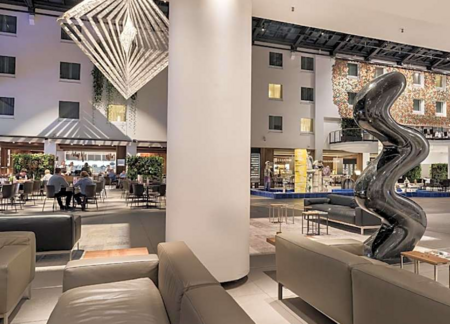
Estrel Hotel
Event overview
Probiota 2027 will take place in Berlin from 9-11 February 2027. This event unites the realms of microbiome science and business, offering dynamic sessions, roundtable discussions, and networking opportunities.
Delegates will gain insights into the latest trends and innovations in prebiotics, probiotics, and the microbiome. Probiota takes place in Berlin, IE.
TL;DR
Probiota is where microbiome science meets the commercial shelf, so the reason to be in Dublin from 9-11 February 2027 is evidence, not generalities. This leading microbiome industry event will feature expert presentations and networking opportunities.
Exhibiting at Probiota 2027 allows companies to showcase their innovations to a targeted audience of decision-makers in the microbiome sector. This leading microbiome industry event will feature expert presentations and networking opportunities. Delegates include key stakeholders from the microbiome science and business sectors.
Attendees, exhibitors & solutions
Visitor profile
Typical attendee groups you can expect to meet.
Exhibitor profile
Main supplier and exhibitor segments present at the show.
Product categories
Key solution areas showcased across the event.
Location & Facilities
Sonnenallee 225, 12057 Berlin
Estrel Hotel in Berlin typically provides on-site or adjacent visitor parking during major trade fairs; confirm daily rates, payment methods and hall access on the organiser or venue website before travel.
Food options
On-site catering
On-site diningParking: Estrel Hotel in Berlin typically provides on-site or adjacent visitor parking during major trade fairs; confirm daily rates, payment methods and hall access on the organiser or venue website before travel.
Gate: Follow organiser signage to the main visitor entrance at Estrel Hotel for badge collection; allow extra time for security screening during peak morning arrival.
Attend
Industry Ticket
Academic Ticket
Who runs the show
William Reed International
Organiser
Intelligence
Key market insights, trends, news and related events to help you understand the bigger picture.
Why it matters
On 2027-02-09 to 2027-02-11, Probiota in Berlin covering Probiotics and prebiotics for health, Functional foods and supplements, Microbiome research tools, Health and wellness p gives trade buyers a single calendar window to compare suppliers, validate specs on the stand, and book follow-ups before the next buying cycle - especially when your roadmap matches the published exhibitor profile.
Key trends shaping this market and its wider industry.
Digital buyer journeys
What digital buyer journeys means for buyers and exhibitors in this sector.
Sustainability in procurement
What sustainability in procurement means for buyers and exhibitors in this sector.
Automation and labour efficiency
What automation and labour efficiency means for buyers and exhibitors in this sector.
Regional supply-chain resilience
What regional supply-chain resilience means for buyers and exhibitors in this sector.
Hybrid engagement models
What hybrid engagement models means for buyers and exhibitors in this sector.
Plan your trip
Choose from the following airports, with convenient access to the event and venue.
Berlin Brandenburg
to venue
by car
A range of accommodation options near the venue and across key areas.
Premier Inn Dublin City Centre (North Docklands)
USD 95–122 / night
Captured on Google Hotels for the 9-11 February 2027 stay window at roughly 37 percent below its usual rate; amenities include free Wi-Fi, free parking, restaurant, accessible and smoke-free rooms. Free parking is unusual for the Dublin docklands, so confirm it is still offered for the show dates.
Premier Inn Dublin City Centre (The Liberties)
USD 92–120 / night
Shown at about 34 percent below the usual rate for the show dates in the capture; free Wi-Fi, parking, restaurant and accessible rooms. The Liberties sits south of the river, so allow a walk or short bus hop to a north-city venue.
Premier Inn Dublin City Centre (Temple Bar)
USD 105–135 / night
The capture showed about 42 percent below the usual rate, with paid breakfast, free Wi-Fi, restaurant, accessible and smoke-free rooms. Temple Bar is central and lively; ask for a quieter room if you have early science sessions.
Premier Inn Dublin City Centre (Gloucester Street South)
USD 95–122 / night
Captured at around 40 percent below its usual rate for the 9-11 February 2027 window. A central location close to the main bus and Luas corridors, which keeps the daily commute simple.
The Gibson Hotel
USD 140–190 / night
Approximate February city-centre 4-star band, not an organiser-published rate. Docklands location with Luas Red Line access and a short hop to the city centre - confirm the live rate and cancellation terms before booking.
Clayton Hotel Burlington Road
USD 130–180 / night
Approximate band for a large south-city conference hotel in February. Good fit if you want meeting space and a quieter evening, with a 15-25 minute bus, DART or taxi transfer to a north-city venue.
Get around the city with these convenient transport options.
bus
Dublin Bus routes link the city centre with Dublin 9. Use the Transport for Ireland journey planner on the day to pick the route nearest your hotel, and pay by Leap card or contactless where accepted rather than cash.
tram (Luas)
Luas is the fastest cross-city option for Docklands, Heuston and Connolly connections. Buy a Leap card or use a contactless card at the platform validator; trams run frequently but are busy at commuter peaks.
commuter rail (DART)
DART is the practical choice if you stay along the coast rather than in the city centre. Check the Irish Rail timetable for the show dates and allow extra time for a city-centre walk at the station end.
taxi
Useful in heavy rain or when carrying samples and stand materials. For a 1-2 km journey walking is often quicker than waiting for a car at peak times.
parking
Dublin city-centre street parking is metered and time-limited, so use a multi-storey and pre-book where the operator allows. Confirm whether the venue offers delegate parking before driving in.
taxi
Berlin Brandenburg (BER) is the main commercial gateway serving Berlin; allow 45-60 min by road or rail to Estrel Hotel.
Weather
Dublin in February is cold, damp and changeable rather than severe. Expect daytime highs of roughly 3-8 C, night lows near 1-4 C, frequent Atlantic showers and gusty wind, with the occasional bright cold interval. Snow is uncommon in the city but not impossible, and ice on pavements can occur after clear nights. Build 10-15 minutes of slack into walks between hotel and venue, and check a local forecast each morning of the show.
Plan for the climate
Check temperatures and pack accordingly
Venue connectivity
Ireland is in the EU, so EU visitors roam on their home tariff. Visitors from outside the EU should check their operator's Ireland package or pick up a prepaid SIM from Vodafone, Three or Eir at Dublin Airport or in the city centre - top-ups are sold in convenience stores. Public Wi-Fi is common in hotels, cafes and many venues, but treat it as unsecured for commercial documents; use a VPN or a mobile hotspot for strain data, contracts and clinical documentation. Ireland uses Type G three-pin sockets at 230 V, so bring an adapter. Mobile coverage across Dublin city centre is generally good, with 4G and 5G available on the main networks.
Ride-hailing
Taxis
Public transit
Car rentals
Useful information to help you have a smooth and respectful visit.
Business tone
Dublin business culture is friendly but relatively informal. Smart casual works for conference days and most supplier meetings; a jacket helps if you are meeting a larger corporate partner. First names are normal from the first introduction, including with senior people.
Pubs and evening networking
Conversations often continue in a pub after sessions, and that is where a lot of relationship-building happens. Round-buying etiquette still exists in smaller groups, but paying your own way is completely normal at a large event gathering. Do not assume a loud pub is a poor place for business talk - it is standard practice in Dublin.
Tipping and payments
Contactless card and mobile payments are accepted almost everywhere, including taxis and small cafes. Restaurant tipping of around 10-12 percent is common where service is not already included; tipping in pubs for drinks is not expected beyond rounding up.
Getting around
Dublin city centre is walkable and the bridges make crossing easy, but rain can slow you down. A Leap card or contactless payment covers Dublin Bus, Luas and DART. Traffic is heavy in the morning and evening peaks, so avoid tight taxi connections before a session you cannot miss.
Language and small talk
English is the working language of the event and the city. Small talk often starts with weather, sport or travel; asking about a visitor's journey into Dublin is a reliable opener. Irish (Gaeilge) appears on signage and is not required for any part of the trip.
February practicalities
Daylight is limited, with sunset in the late afternoon in early February. Plan outdoor walks and any city sightseeing for the middle of the day, and keep a warm waterproof layer in your bag for the walk back from the venue in the evening.
Practical guides
Everything needed to arrive prepared, navigate the event, and make the visit productive.
Destination: BER
Captures for 8 February 2027 arrivals into Dublin (DUB) showed New York JFK nonstop services of roughly 6 hr 20 min to 6 hr 40 min with Delta/Air France/KLM and Aer Lingus/American/Iberia, plus an Icelandair one-stop via Keflavik at about 9 hr 50 min. Tokyo NRT routings ran about 22 hours via Abu Dhabi, Doha or Dubai (Etihad, Qatar Airways/JAL, Emirates), with a shorter 17 hr 40 min KLM option via Amsterdam. London Heathrow services run about 1 hr 20 min to 1 hr 30 min and are the easiest connection for European delegates. Google flagged New York fares as currently high and noted the cheapest booking window is usually about 4 to 7 months before departure. Prices were not rendered in the captures, so treat route and duration as confirmed and fares as unverified - check live prices before booking, and aim to land by the evening of 8 February to protect against weather delays.
Get to the venue and around the city with these options.
Airport → venue: Primary gateways: Berlin Brandenburg (BER). Allow road or rail time to Estrel Hotel; on-site parking is usually available at major exhibition venues.
Hotel → venue: Precinct hotels near Estrel Hotel: North Docklands, Dublin city centre: Premier Inn Dublin City Centre (North Docklands); The Liberties, Dublin city centre: Premier Inn Dublin City Centre (The Liberties); Temple Bar, Dublin city centre: Premier Inn Dublin City Centre (Temple Bar).
Ride-hail: Ride-hailing works in Dublin: Free Now is the established local app, and Uber and Bolt both operate in the city. Airport pickups use designated zones outside the terminals and city-centre pickups can be slow at commuter peaks, so allow extra time before a session start. Fares for a cross-city trip typically sit in the EUR 8-20 band depending on distance and surge; airport runs to the city centre usually land in the EUR 25-35 range by meter. Confirm the fare in the app before confirming the ride, and keep a metered taxi as a fallback in heavy rain when demand spikes.
Public transit: Dublin's network combines Dublin Bus, the Luas tram (Red and Green lines) and the DART commuter rail along the coast, all covered by Leap card or contactless payment. The Luas Red Line links Connolly station and the Docklands with the south-west city and Heuston, while the Green Line runs from Broombridge through the city centre to Brides Glen. DART serves Connolly, Tara Street and Pearse and continues to Malahide, Howth and Greystones, which matters if you stay outside the centre. Single fares sit in the low single-digit euro range and daily caps apply on Leap. Use the Transport for Ireland journey planner for door-to-door options on the show dates and allow extra time for peak-hour crowding.
Parking: Dublin city-centre street parking is metered, time-limited and enforced, so delegate parking in practice means a multi-storey car park. Expect tariffs of roughly EUR 3.00-4.50 per hour and EUR 20-30 for a full day, with Q-Park and APCOA sites among the main operators; pre-booking online often trims the daily rate. Confirm directly with the venue whether any delegate parking or a discounted rate exists for 9-11 February 2027, because city-centre venues frequently have limited or no on-site spaces. If your hotel advertises parking, check whether it is free, discounted or a public car park next door before you drive into the city.
Plan and pack for the event climate.
Month: February 2027 (early February, Dublin, Ireland)
Temperature: Approx. 3-8 C daytime highs with night lows around 1-4 C; frost possible after clear nights and wind chill makes it feel colder near the river and docks
Seasonality: February is one of Dublin's wetter, windier months, with frequent short Atlantic showers rather than all-day rain. Bright cold intervals are common, and snow is uncommon in the city but can occur. Plan indoor alternatives for any walking commute.
Packing: Pack a waterproof hooded coat rather than relying on an umbrella in wind, warm mid-layers and knitwear over a shirt, comfortable waterproof walking shoes for wet pavements, and a scarf or hat for evening walks. Bring a Type G plug adapter, a power bank for long conference days, and smart-casual clothing for sessions and supplier meetings. A small daypack keeps a laptop, notebook and spare layer dry between hotel and venue.
Plan your trip
Best day to visit: Day 2 (mid-show)
Mid-show days at Probiota usually combine full exhibitor attendance with scheduled B2B meetings, before early pack-down on the final day.
Day 13 - Check your passport validity against Irish entry requirements and, if you need a visa, confirm the application status now rather than later.
Day 12 - Book the Dublin flight into DUB and a refundable city-centre hotel; February rates move but availability in the conference block narrows.
Day 11 - Register for the event and check which ticket tier you hold so you know exactly which sessions and social functions are included.
Day 10 - Draft a target list of 10-15 exhibiting companies by strain type, delivery format or service, and note the booth or contact route for each.
Day 9 - Prepare three questions you actually need answered: strain documentation, clinical endpoint design, or claims pathway. Science-led events reward specific questions.
Day 8 - Arrange any supplier or partner meetings in advance; exhibitor diaries fill on day one.; Day 7 - Sort travel money and payments: contactless card for transport, a small amount of euro cash, and a check that your bank does not block Irish transactions.
Day 6 - Pack Type G plug adapters, a waterproof coat, warm layers and comfortable shoes for wet pavements.
Day 5 - Download offline maps and the Transport for Ireland journey planner, and save your hotel-to-venue route.
Day 4 - Print or save on mobile your registration confirmation, hotel booking and travel insurance details.
Day 3 - Charge devices and pack a power bank; a two-day conference with back-to-back meetings drains a phone quickly.
Day 2 - Check in for your flight, confirm the airport transfer option and note the realistic transfer time into the city.
Day 14 - Confirm the venue address and session start time on probiotaevent.com, and download the agenda to plan which science sessions you will not miss.; Day 1 - Arrive, collect your badge early if the organiser allows, walk the venue once to locate session rooms and the exhibition floor, and keep the first evening light before three full days.
Registration and hall orientation at Estrel Hotel
Supplier meetings and product demos
Final negotiations and follow-up
Probiota registration concourse
Estrel Hotel
Central meeting point before and between hall appointments during show days.
Organiser B2B lounge (if offered)
Estrel Hotel
Hosted matchmaking and buyer programmes when published by the organiser.
Budget

Adjust the inputs below to create a directional event budget.
This is a directional estimate. Please verify live rates before booking.
Official cost items and estimated ranges for exhibitors.
visitor_ticket
visitor · Industry Ticket
EUR 2142 / per person
visitor_ticket
visitor · Academic Ticket
EUR 1071 / per person
| Item | For | Tier | Estimated range | Status | As of |
|---|---|---|---|---|---|
| visitor_ticket | visitor | Industry Ticket | EUR 2142 / per person | organiser_published | |
| visitor_ticket | visitor | Academic Ticket | EUR 1071 / per person | organiser_published |
Decision
Use this quick check to decide whether Probiota fits your visit, exhibit or skip plan.
QUESTION 1 OF 6
For Probiota, what is your primary role on the show floor?
Compare participation options side by side to choose the best fit for your objectives.
visit
Your category focus and target suppliers align with the official exhibitor profile.
Best for
Buyers, engineers, and delegates sourcing Probiotics and prebiotics for health and Functional foods and supplements solutions and benchmarking suppliers at Probiota in Berlin.
Min. budget
$2,633.00
Timeline
4-8 weeks before opening day for registration, hotels, and travel.
Risks
Session times and ticket tiers may change - confirm the official agenda before booking.
exhibit
You have a defined lead-generation or distributor recruitment goal for this market.
Best for
Brands and manufacturers launching Probiotics and prebiotics for health and Functional foods and supplements products who need qualified meetings with the event's trade audience.
Min. budget
$11,848.00
Timeline
3-6 months for stand booking, freight, staffing, and pre-show marketing.
Risks
Booth pricing and corner premiums vary by hall - confirm with the organiser sales team.
skip
Audience, geography, or commercial goals do not justify travel and stand costs this cycle.
Best for
Teams with weak category fit, budget constraints, or overlapping commitments during the Berlin show week.
Timeline
N/A
Risks
Skipping may mean missing buyer meetings if competitors exhibit or attend the same week.
FAQs & glossary
Frequently asked
Glossary
Also known as
Alternate names and search phrases for this event.
Trust footer
2
References
1
Publishers
0
Date checked
Probiota
Display a free company card at your booth, or share your professional card on the show floor.