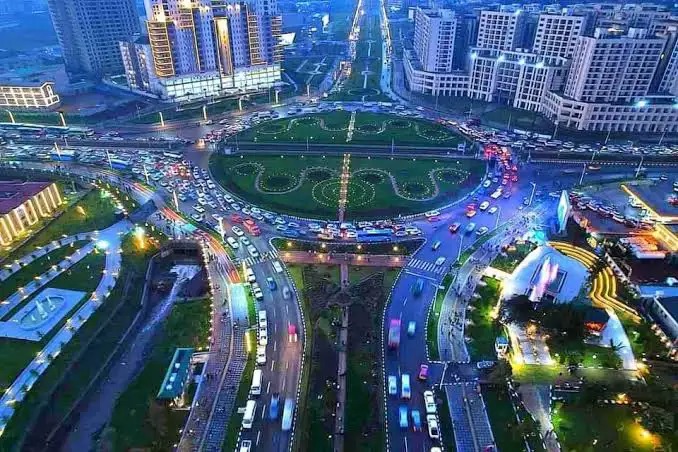
The International Longevity Summit Africa 2026 (ILSA 2026) takes place in Addis Ababa on 20–21 November 2026 at the Shaggar Institute of Technology.
The two-day summit brings researchers, clinicians, health-tech innovators, investors and policymakers together under the theme “From Biology to Society: Advancing Healthy Aging in Africa”.
It is organised by Afrolongevity with the Shaggar Institute of Technology, continuing a series that has met in Johannesburg, Lagos and Durban.
TL;DR
1Two days only: Friday 20 and Saturday 21 November 2026 in Addis Ababa, Ethiopia.
2Venue: Shaggar Institute of Technology, the summit’s academic host and partner.
3Theme: “From Biology to Society: Advancing Healthy Aging in Africa”.
4Organised by Afrolongevity together with the Shaggar Institute of Technology.
5The 2023 edition drew delegates from more than 30 countries; the 2025 edition was held in Durban.
Why visit
Meet the researchers, clinicians, ministry officials and investors shaping healthy aging across Africa. The programme combines scientific plenaries, policy roundtables and structured networking, so a delegate can leave with both a research update and a working contact list.
Why exhibit
Put a health-tech, biotech, diagnostics or wellness product in front of African clinicians, academics, development partners and investors. The summit’s research showcases and policy roundtables create direct access to decision-makers evaluating prevention, diagnostics and care-delivery tools.
Attendees, exhibitors & solutions
Who this event is for
Visitor profile
Typical attendee groups you can expect to meet.
Biomedical and clinical researchers working on aging and age-related disease
Health-tech, biotech and AgeTech founders and product leaders
Ministry officials, regulators and development-partner programme officers
Investors, philanthropies and academic leaders building healthy-aging capacity
Exhibitor profile
Main supplier and exhibitor segments present at the show.
HealthTech, MedTech and AI diagnostics companies
Biotech and regenerative-medicine research organisations
Pharmaceutical, nutrition and metabolic-health brands
Clinical services, wellness providers and longevity clinics
Bring the registration confirmation and photo ID to the campus registration desk.
Ticket notes
Delegate registration runs through the official summit site. No public delegate fee or ticket price is published; registered participants receive travel and accommodation guidance.
Biology of Aging and Age-Related DiseaseLongevity Medicine, Prevention and Clinical PracticeHealth Technology, Policy and Innovation Ecosystems
How the last edition performed
Previous edition
Last edition
2025
Completed
Edition #: 4
This edition
2026
Forecast — not final
Visitors: 300
Exhibitors: 15
Next edition
Not announced yet
Growth over time
Edition recap
ILSA 2025 was the fourth edition, held in Durban, South Africa, at the Sun Sibaya Hotel with Mangosuthu University of Technology as partner. It continued the series from Johannesburg in 2023 and Lagos in 2024.
New this edition
1
Research showcase format
A dedicated platform for presenting research and innovation in healthy aging alongside the plenary programme.
ILSA’s value is continental convening rather than floor size: it puts African aging researchers, clinicians and policymakers in the same room as health-tech founders and development partners, creating a route from research evidence to prevention policy and procurement.
Audience quality
High-value decision-makers
The audience is senior and multidisciplinary: academic and clinical researchers, ministry and regulator officials, development partners, investors and founders. Attendance is by registration, so exhibitors should expect qualified conversations rather than mass consumer traffic.
Exhibitor outcomes
Real business growth
Best ROI comes from a focused research-showcase or partnership presence aimed at clinicians, ministry buyers and investors. Set a modest lead target for a 300-delegate summit and prioritise follow-up meetings over scan volume.
Intelligence
Market context
Key market insights, trends, news and related events to help you understand the bigger picture.
Africa
Why it matters
ILSA is one of the few recurring continental forums where longevity science, clinical prevention and African policy meet. For suppliers and investors, it is a concentrated entry point to ministries, research institutions and health-tech buyers across the region.
Industry trends
Key trends shaping this market and its wider industry.
01
Prevention moves into primary care
African health systems are shifting spend toward early screening, metabolic health and age-related disease prevention rather than late-stage treatment alone.
What it changes: Suppliers of diagnostics, remote monitoring and lifestyle programmes can position products as system-level prevention rather than elective wellness.
Researchers are pressing for genomic and clinical evidence that reflects African diversity instead of relying on cohorts drawn mainly from Europe and North America.
What it changes: Companies with local evidence generation and diverse trial capability have a credible differentiator with ministries and research partners.
03
Health-tech and AI cross into aging care
AI triage, remote monitoring and digital care coordination are being adapted for low-bandwidth, workforce-constrained settings across the continent.
What it changes: AgeTech and MedTech entrants can use the summit to find clinical validation partners and public-sector pilot routes.
The ILSA circuit and adjacent African health meetings
September–November
ILSA moves between African research hubs each year. Buyers planning a continental calendar can pair it with the prior ILSA editions and larger African health exhibitions.
Late-year planning
ILSA 2026
Dates fall in the November dry season, after most international autumn conference cycles.
Edition cities and sequence come from the organiser’s history page; exact prior-edition dates were not published there.
Plan your trip
Travel & logistics
Local currency · ETB
Arrival airports
Choose from the following airports, with convenient access to the event and venue.
ADD
Addis Ababa Bole International Airport
Main international gateway and the practical arrival point for delegates.
about 10 km from central Addis Ababa
to venue
25–45 minutes depending on traffic
by car
ADM
Adama Airport
Domestic feeder airport; not a practical international arrival point for the summit.
about 100 km southeast of Addis Ababa
to venue
1.5–2 hours by road
by car
Hotel tiers
A range of accommodation options near the venue and across key areas.
budget
Bole / Kazanchis
USD 45–80 / night
Simple business hotels with breakfast; book early because November is a busy conference month.
mid
Bole
USD 90–150 / night
Reliable international-standard rooms close to the airport and main meeting districts.
premium
Bole / Meskel Square
USD 180–280 / night
Full-service hotels with meeting space, gyms and airport transfers.
Local transport
Get around the city with these convenient transport options.
Ride-hailing
Estimated costETB 300–800 per trip
Best forHotel or airport to the Shaggar Institute of Technology campus
Use the Ride app or a metered taxi arranged by the hotel; agree the fare before departure.
Minibus taxi
Estimated costETB 30–80 per trip
Best forBole to central Addis Ababa and onward connections
Cheap but crowded and route-specific; not recommended for delegates carrying exhibition material.
Plan your trip
Visa & entry documents
Check the latest visa requirements and entry guidelines before travelling.
November is the start of the dry season: mild days around 20–24°C, cool nights near 9–11°C, low rainfall and strong afternoon sun at altitude.
Plan for the climate
Check temperatures and pack accordingly
Venue connectivity
Mobile data and hotel Wi-Fi are widely available in Bole and central Addis Ababa; buy a local Ethio Telecom or Safaricom SIM at the airport for reliable data.
Ride-hailing
Taxis
Public transit
Car rentals
Cultural notes
Useful information to help you have a smooth and respectful visit.
Coffee ceremony
Accepting an invitation to a coffee ceremony is a standard way to build rapport; expect three rounds and allow time for it.
Greetings and dress
A handshake with the right hand and a polite greeting goes a long way. Dress smartly for the summit; evenings can be cool at altitude.
Practical guides
Visitor & Exhibitor Essentials
Everything needed to arrive prepared, navigate the event, and make the visit productive.
Flights
Destination: ADD
Ethiopian Airlines is the dominant carrier into ADD and offers the most one-stop connections from Europe, Asia and North America. Book November travel early.
Get to the venue and around the city with these options.
Airport → venue: Take a hotel-arranged car or Ride-hailing car from Bole airport; allow 25–45 minutes to the campus.
Hotel → venue: Stay in Bole or Kazanchis and use Ride-hailing for a 15–30 minute trip; agree the fare first.
Ride-hail: The Ride app and hotel taxis are the practical options. Fares are cash or mobile money; keep small notes.
Public transit: Minibuses are cheap but crowded and route-specific; light rail serves parts of the city but not the campus directly.
Parking: On-campus delegate parking is not published; confirm with the registration desk before driving.
Weather
Plan and pack for the event climate.
Month: November
Temperature: 9–24°C
Seasonality: Start of the dry season with low rainfall and strong afternoon sun.
Packing: Bring layers for cool evenings, sun protection, a light rain shell and comfortable walking shoes for the campus.
Plan your trip
Planning
Best day to visit: 2026-11-20
Day one carries the opening keynote, the main science plenary and the first networking reception, giving the widest view of the summit and the best chance to meet senior delegates.
T-14
Register and book flights — Use the official registration page and confirm the visa route for your nationality.
T-10
Apply for the Ethiopian e-Visa — Print the approval; a receipt alone is not accepted at the border.
T-7
Book a Bole or Kazanchis hotel — Request an airport pickup and confirm the cancellation policy.
T-3
Download the programme and shortlist sessions — Choose one science, one policy and one networking block per day.
T-1
Arrive, change currency and check the campus route — Keep some Ethiopian birr for taxis and incidentals; confirm your registration desk location.
Sample visitor itinerary
Route-optimised day
08:00
Registration and coffee
Campus main entrance and registration desk
09:00
Opening keynote and science plenary
Main plenary hall
11:30
Supplier and research partner meetings
Research showcase and networking area
14:00
Policy roundtable or thematic panel
Breakout rooms
17:00
Delegate networking reception
Campus networking space
Side trips
2
National Museum of Ethiopia
Culture
About 20–30 minutes by car from Bole
See the Lucy hominid fossil and a compact introduction to Ethiopian history.
Entoto Park
Outdoors
About 30–40 minutes by car
Eucalyptus forest, city views and a cooler highland walk before or after the summit.
Networking spots
2
Delegate networking reception
Official
The best single room for meeting speakers and ministry delegates; arrive early.
Bole coffee houses
Informal
Use a coffee meeting for a second conversation with a contact made on the floor.
First-timer guide
Follow-up playbook
Send a personalised note within 24 hours referring to the conversation.
Log the lead in your CRM with the session and topic discussed.
Share one relevant paper, product sheet or pilot proposal.
Propose a 20-minute call in the same week.
Close the loop within five business days or mark the lead dormant.
A 300-delegate summit rewards a small number of well-researched follow-ups over mass email. Prioritise ministry, clinical and investor contacts met in sessions.
Budget
Costs & budget
Shell scheme
USD 180–350 / m²
Raw space
USD 120–250 / m²
Standard booth
9 m²
Planning bands only; the organiser publishes no stand tariff. Confirm all inclusions and taxes in writing.
Bring your own scanning app and a paper backup; no official scanner is provided.
FAQs & glossary
Answers
Frequently asked
When is the International Longevity Summit Africa 2026?
ILSA 2026 runs for two days, Friday 20 and Saturday 21 November 2026, in Addis Ababa. The official programme opens on the Friday morning and closes on the Saturday. Delegates travelling from outside Ethiopia should arrive by 19 November to clear the airport and reach their hotel before registration opens.
Where is ILSA 2026 held?
The summit takes place at the Shaggar Institute of Technology in Addis Ababa, Ethiopia. The campus is the academic host and co-organiser, and the venue is in Africa’s diplomatic capital, home to the African Union and the UN Economic Commission for Africa. Registered delegates receive final room and entrance details with their confirmation.
Is ILSA 2026 free to attend?
No public delegate fee or ticket price is published for ILSA 2026. Registration is handled through the official summit site, and the organiser asks interested participants to register rather than buy a ticket from a third party. Contact afrolongevity@taffds.org if you need clarification on fees, invoicing or group registration before you travel.
How do I register for ILSA 2026?
Register through the official summit site at conference.taffds.org. After registering, delegates receive accommodation, transport and travel guidance plus the invitation letter needed for an Ethiopian visa. Bring your registration confirmation and photo identification to the campus desk. There is no published registration deadline, so register early enough to complete visa formalities.
Who should attend ILSA 2026?
The summit is built for biomedical and clinical researchers, public-health professionals, health-tech and biotech founders, pharmaceutical and wellness leaders, policymakers, regulators, development partners, investors and academic leaders. Anyone working on aging, prevention, care delivery or healthy-aging policy in Africa will find relevant sessions. The programme mixes scientific plenaries, thematic panels, research showcases and policy roundtables rather than consumer exhibits.
Who organises the International Longevity Summit Africa?
ILSA 2026 is organised by Afrolongevity, an Africa-focused longevity think tank, together with the Shaggar Institute of Technology, a diaspora-founded academic and research institution with platforms in Ethiopia and the United States. The partnership supplies both continental policy reach and academic research credibility. For partnership, exhibition or speaker enquiries, contact the organisers at afrolongevity@taffds.org.
What is the theme of ILSA 2026?
The 2026 theme is “From Biology to Society: Advancing Healthy Aging in Africa”. It frames aging as both a biological research question and a social, clinical and policy challenge. Sessions cover the biology of aging, longevity medicine, biotechnology and regenerative medicine, health technology and AI, precision medicine for African populations, nutrition, regulation, bioethics and health-system governance.
Is there an exhibition or research showcase at ILSA 2026?
The programme includes research showcases and networking sessions alongside keynote addresses, scientific and policy sessions, thematic panels and policy roundtables. No exhibitor list, floor plan or stand tariff is published. Health-tech, biotech and clinical-service organisations should contact afrolongevity@taffds.org to discuss a showcase or partnership presence before making travel plans.
What visa does an ILSA 2026 delegate need for Ethiopia?
Most business visitors should check Ethiopia’s e-visa portal at evisa.gov.et and apply at least seven to ten days before travel. Tourist visa on arrival is available for eligible countries and can be paid in USD, EUR, GBP or CAD. Visitors entering for meetings, NGO activity, media or investment should confirm the correct visa category in advance.
Glossary
1
Healthspan
The number of years a person lives in good health, as distinct from total lifespan. It is a central measure in longevity medicine and prevention.
2
Longevity medicine
Clinical practice focused on preventing, delaying or reducing age-related disease and extending healthy life, using screening, lifestyle and emerging therapies.
3
Biomarkers of aging
Measurable biological signals used to estimate a person’s biological age or rate of aging, such as epigenetic, metabolic and inflammatory markers.
4
Regenerative medicine
Approaches that repair, replace or regenerate damaged cells, tissues or organs, including cell therapies and tissue engineering.
5
AgeTech
Technology products and services designed for older adults or their carers, spanning remote monitoring, assistive devices, care coordination and digital health.
6
Healthy aging policy
Government and institutional measures that redesign health, social and built systems so people can maintain function and wellbeing as they age.
Also known as
Alternate names and search phrases for this event.