Digital buyer journeys
What digital buyer journeys means for buyers and exhibitors in this sector.

EDRR China 2027, held from May 11-13, 2027 in Shanghai, is Asia's premier expo for emergency management and disaster response, featuring over 500 exhibitors and 80,000 visitors.
Dates
12–14 May 2027
City / country
Shanghai, China
Venue
NECC National Exhibition and Convention Center
Are you the organiser of this event?
Event overview
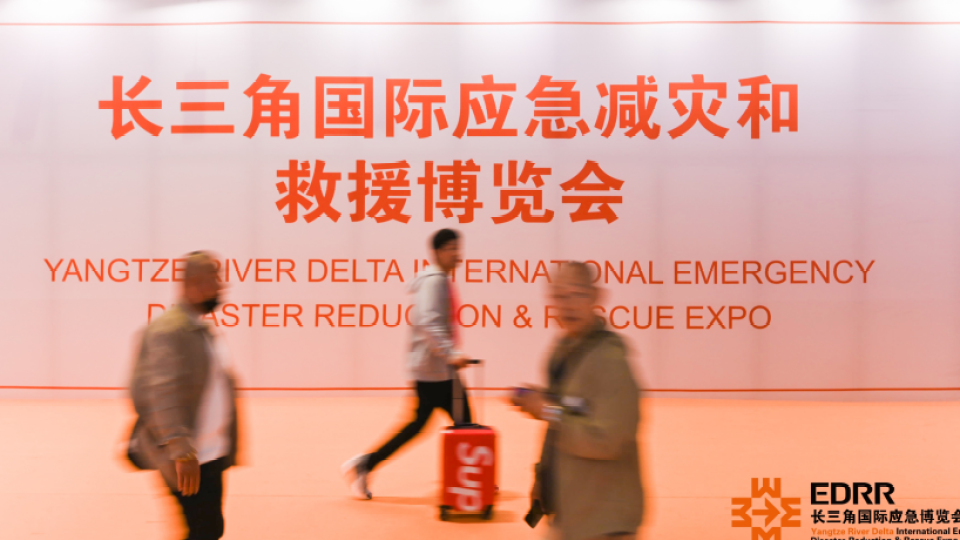
EDRR China Expo 2027 is set to take place from May 11 to 13 at the National Exhibition and Convention Center in Shanghai. This event is Asia's flagship emergency management expo, showcasing innovations across the entire emergency industry chain.
With a focus on resilience and smart solutions, the expo will feature cutting-edge technologies and solutions from leading companies in the sector. EDRR China takes place in Shanghai, China.
Venue: NECC National Exhibition and Convention Center.
TL;DR
Attendees will gain insights into the latest emergency management technologies and solutions, network with industry leaders, and explore innovative products that enhance safety and resilience. The expo provides a unique opportunity to connect with government officials and decision-makers in the emergency response sector.
Exhibiting at EDRR China 2027 allows companies to showcase their products to a targeted audience of industry professionals and decision-makers. This flagship event showcases the full emergency industry chain with over 500 exhibitors and 80,000 professional visitors. Attendees include government officials, emergency responders, and industry decision-makers from various sectors.
Attendees, exhibitors & solutions
Visitor profile
Typical attendee groups you can expect to meet.
Exhibitor profile
Main supplier and exhibitor segments present at the show.
Product categories
Key solution areas showcased across the event.
Location & Facilities
333 Songze Avenue, Qingpu District, Shanghai
NECC National Exhibition and Convention Center in Shanghai typically provides on-site or adjacent visitor parking during major trade fairs; confirm daily rates, payment methods and hall access on the organiser or venue website before travel.
Food options
On-site catering
On-site diningParking: NECC National Exhibition and Convention Center in Shanghai typically provides on-site or adjacent visitor parking during major trade fairs; confirm daily rates, payment methods and hall access on the organiser or venue website before travel.
Gate: Follow organiser signage to the main visitor entrance at NECC National Exhibition and Convention Center for badge collection; allow extra time for security screening during peak morning arrival.
Attend
Who runs the show
the emergency authorities of Shanghai, Jiangsu, Zhejiang and Anhui, and CCPIT
Organiser
How the last edition performed
Last edition
—
Exhibitors: 532
Next edition
Not announced yet
Intelligence
Key market insights, trends, news and related events to help you understand the bigger picture.
Why it matters
On 2027-05-12 to 2027-05-14, EDRR China in Shanghai covering Emergency response equipment and supplies, Safety monitoring and prevention technologies, Emergency medical and life sup gives medical buyers a single calendar window to compare suppliers, validate specs on the stand, and book follow-ups before the next buying cycle - especially when your roadmap matches the published exhibitor profile.
Key trends shaping this market and its wider industry.
Digital buyer journeys
What digital buyer journeys means for buyers and exhibitors in this sector.
Sustainability in procurement
What sustainability in procurement means for buyers and exhibitors in this sector.
Automation and labour efficiency
What automation and labour efficiency means for buyers and exhibitors in this sector.
Regional supply-chain resilience
What regional supply-chain resilience means for buyers and exhibitors in this sector.
Hybrid engagement models
What hybrid engagement models means for buyers and exhibitors in this sector.
Plan your trip

Choose from the following airports, with convenient access to the event and venue.
Shanghai Pudong International Airport
Shanghai's main long-haul gateway and the arrival point for most international delegations. The venue is on the opposite, western side of the city, so avoid PVG for tight day-of-show arrivals; taxi fares are metered and include expressway tolls
Approx. 60-70 km via the Shanghai Ring Expressway and Yan'an Elevated Road
to venue
Approx. 60-90 min by road; allow 90-110 min by Metro Line 2 with a change at Hongqiao or East Xujing
by car
Shanghai Hongqiao International Airport
The closest airport to NECC and the better choice for domestic connections and for travellers from East Asia. Hongqiao Railway Station next door also links to the national high-speed network for factory and plant visits in Jiangsu and Zhejiang
Approx. 10-15 km
to venue
Approx. 20-30 min by road; a short Metro Line 2 or Line 17 ride from the Hongqiao hub
by car
A range of accommodation options near the venue and across key areas.
DoubleTree by Hilton Hotel Shanghai - Pudong
USD 230–265 / night
Approx. CNY 1,650-1,900 per night at an indicative 7.2 CNY/USD. Eco-certified business hotel with paid breakfast, free Wi-Fi, parking, indoor pool and fitness centre. Located in Pudong, so budget 45-70 min to NECC in the morning peak - best if you combine the show with Pudong supplier visits.
DoubleTree by Hilton Shanghai Hongqiao
USD 230–265 / night
Approx. CNY 1,650-1,900 per night. The strongest pick for exhibitors and buyers who want a short commute: Hongqiao is 10-20 min from NECC by taxi and close to Hongqiao airport and railway station. Breakfast, free Wi-Fi, parking, indoor pool and spa.
Holiday Inn Express Shanghai Gongkang
USD 150–190 / night
Approx. CNY 1,080-1,370 per night. Mid-market option with breakfast included, free Wi-Fi and parking, laundry and a business centre. Gongkang sits north of the fairground, roughly 20-35 min by taxi depending on traffic on the ring road.
Lin Yin Art Hotel Shanghai
USD 150–190 / night
Approx. CNY 1,080-1,370 per night. Four-star property flagged as good value in the Shanghai hotel search for the 12-14 May 2027 window; breakfast is paid and parking is free. Confirm the exact district and metro access before booking, since commute time to Qingpu varies a lot by location.
Jinjiang International Hotel Taicang
USD 230–265 / night
Approx. CNY 1,650-1,900 per night; the capture showed this property discounted by around 62 percent against its usual rate. Taicang is in Jiangsu province north-west of Shanghai, so treat it as a base for factory visits rather than a show-week commute - cross-city travel to NECC is well over an hour.
Holiday Inn Shanghai Nanjing Road
USD 230–265 / night
Approx. CNY 1,650-1,900 per night. Downtown location for evening dining and the Bund, with breakfast, free Wi-Fi, parking, pool and spa. Metro Line 2 runs from the Nanjing Road area to East Xujing at NECC in roughly 45-55 min; taxis take 40-70 min in peak traffic.
Get around the city with these convenient transport options.
Metro Line 2 (cross-city)
Line 2 runs west to East Xujing, the terminus that connects to NECC by underground walkway. Allow 45-55 min from People's Square and avoid the 07:30-09:00 crush by travelling before 07:15 or after 09:30.
Metro Line 2 (short hop)
Three stops on Line 2 from the Hongqiao hub, roughly 10-15 min, which makes Hongqiao hotels the cheapest and fastest show-week base.
Metro Line 17
Line 17 serves the northern edge of the fairground and is a useful alternative when Line 2 is crowded; check the walking route to your hall on the NECC site plan before setting out.
Taxi / ride-hailing (DiDi)
Roughly 10-15 km and 20-30 min outside peak. Use the official taxi rank at the terminal or the DiDi pickup zone, and show the driver the Chinese-language NECC address.
Taxi / ride-hailing (DiDi)
60-70 km across the city, 60-90 min depending on the ring road. Fixed-fare airport taxis and DiDi Premier are the low-hassle options with luggage; agree the toll treatment before departure if using a private car.
Parking (self-drive)
NECC has large underground and surface car parks reached from Songze Avenue and the Yan'an Elevated Road. Show-week queues build from 08:00, and halls closest to the vehicle display areas fill first, so arrive before 08:30.
Organiser shuttle / hotel coach (if offered)
Chinese trade fairs often run complimentary shuttles from partner hotels, with schedules published in the exhibitor manual or visitor guide a few weeks out. Check edrr-expo.com for the 2027 shuttle list before booking a hotel outside the Hongqiao cluster.
Weather
Mid-May is late spring in Shanghai: mild to warm, humid days around 18-27 C, with a genuine chance of showers and occasional short thunderstorms. The plum rain season starts in June, but May is already unsettled, so plan indoor hall time and keep an umbrella in your bag. Air quality in spring is typically moderate; the Open-Meteo forecast used for this listing showed US AQI around 75 with PM2.5 near 21.8 micrograms per cubic metre, so sensitive travellers should check local advisories and carry any inhalers or medication. Air-conditioned halls can feel cold after a humid outdoor walk, so a light layer helps.
Plan for the climate
Check temperatures and pack accordingly
Venue connectivity
Mobile coverage on China Mobile, China Unicom and China Telecom is strong across Shanghai and inside NECC. Buy a tourist SIM at Pudong or Hongqiao arrivals or activate a travel eSIM before departure; eSIM data plans avoid the shop queue but usually route traffic outside the mainland firewall. Google, WhatsApp, Instagram and many Western SaaS tools are not reachable from mainland networks, so arrange compliant access through your employer before flying. Venue and hotel Wi-Fi requires a Chinese mobile number for SMS verification in many cases, so keep a local number active. WeChat is the default channel for Chinese business contacts - install it, complete verification, and exchange QR codes at the stand. Power is 220V at 50Hz with type A, C and I sockets, so bring a universal adapter and a power bank for long hall days.
Ride-hailing
Taxis
Public transit
Car rentals
Useful information to help you have a smooth and respectful visit.
Badges and security screening
NECC uses badge checks and bag screening at hall entrances. Register in advance with the exact name and passport number you travel on, collect the badge on day one before 09:00, and carry your passport for spot checks. Expect airport-style queues during the first morning peak.
Payments in Shanghai
Prices are quoted in renminbi (CNY). Mobile QR payment through Alipay or WeChat Pay, linked to a foreign card, is accepted almost everywhere including taxis and venue outlets; keep roughly CNY 300-500 in cash for small vendors, luggage porters and older shops that do not take foreign cards.
Meeting style and business cards
Chinese buyers and officials often open with introductions and a short relationship-building conversation before pricing. Offer and receive business cards with both hands, have a Chinese-language side printed, and use titles and surnames. Decisions may involve a technical team, a procurement office and a distributor, so expect several contacts rather than one decision maker.
Language and interpreting
Mandarin is the working language of the halls, and product literature from domestic exhibitors is usually Chinese-only. Download an offline Chinese translation pack, screenshot your hotel and venue addresses in characters, and budget for a professional interpreter for contract or specification discussions.
Dining and hospitality
Business banquets are common in the Yangtze Delta and hosting rotates among the table. Wait for the host to indicate seating and the first toast, sample each shared dish, and never stand chopsticks upright in rice. Tipping is not customary in restaurants or taxis, and service charges are rare outside international hotels.
Getting around Qingpu
NECC sits at 333 Songze Avenue in Qingpu District, well away from the Bund and downtown nightlife. Build 45-75 min per leg if you stay downtown instead of Hongqiao, keep the Chinese venue address on your phone, and note that traffic on the elevated ring roads can double a short trip during the 17:00-19:00 peak.
Practical guides
Everything needed to arrive prepared, navigate the event, and make the visit productive.
Destination: PVG
Sample economy returns for a 12 May 2027 arrival on the Shanghai Pudong (PVG) search: Singapore from CNY 1,997, Tokyo from CNY 2,140, Sydney from CNY 3,623, London from CNY 4,717 and New York from CNY 6,881, each round trip including taxes and fees for one adult. Tokyo and Singapore offer the shortest hops at 3-10 hours; London and New York itineraries run 15-20 hours with one stop. Hongqiao (SHA) is only 10-15 km from NECC, so price a domestic connection into SHA against a PVG long-haul arrival and weigh the extra transfer against a cross-city taxi of CNY 250-330. These are live-search samples captured for this listing, not contracted group fares, and they will change - re-check before booking and confirm baggage allowances on low-cost carriers.
Get to the venue and around the city with these options.
Airport → venue: Primary gateways: Shanghai Pudong International Airport (PVG): Approx. 60-90 min by road; allow 90-110 min by Metro Line 2 with a change at Hongqiao or East Xujing; Shanghai Hongqiao International Airport (SHA): Approx. 20-30 min by road; a short Metro Line 2 or Line 17 ride from the Hongqiao hub. Allow road or rail time to NECC National Exhibition and Convention Center; on-site parking is usually available at major exhibition venues.
Hotel → venue: Precinct hotels near NECC National Exhibition and Convention Center: Pudong: DoubleTree by Hilton Hotel Shanghai - Pudong; Hongqiao: DoubleTree by Hilton Shanghai Hongqiao; Gongkang: Holiday Inn Express Shanghai Gongkang.
Ride-hail: DiDi is the dominant ride-hailing app in Shanghai and its English interface works with foreign cards in most cases. Set pickup points carefully: NECC has designated ride-hail zones away from the taxi rank, and drivers will not stop on Songze Avenue itself. Expect surge pricing after the halls close at 17:00 and during rain. Airport pickups at Pudong and Hongqiao have dedicated app pickup levels, so follow the terminal signage rather than the kerbside. Keep a screenshot of the Chinese venue and hotel addresses for drivers who do not read Latin script, and confirm the plate number before getting in.
Public transit: NECC is well served by metro. Line 2 runs to East Xujing, the terminus connected to the fairground by an underground walkway and the usual route from downtown Puxi and Hongqiao Railway Station. Line 17 stops at Zhuguang Road on the northern edge of the site and is a useful alternative when Line 2 is packed. Fares are distance-based, roughly CNY 3-8 for typical journeys, paid with the Shanghai Public Transport card, Alipay/WeChat transit codes or single-journey tickets from machines with English menus. Allow 45-60 min from People's Square, and note that bags may be scanned at station entrances during major events.
Parking: NECC operates large underground and surface car parks reached from Songze Avenue and the Yan'an Elevated Road, with separate access for goods vehicles and for the outdoor vehicle display areas. Parking is charged by hour with a daily cap, and payment is usually by QR code at the exit. Show-week demand is high from 08:00, halls nearest the rescue-vehicle displays fill first, and the surrounding roads queue badly during build-up days. Pre-book a space if the organiser offers it, and confirm current rates, clearance heights and hall access rules with NECC or the organiser before driving.
Plan and pack for the event climate.
Month: May 2027 (show dates 12-14 May 2027)
Temperature: Approx. 18-27 C by day (about 64-81 F) with occasional afternoons above 30 C, and nights around 16-19 C. Halls are air-conditioned and can feel cold after a humid outdoor walk, so pack a light layer as well as short sleeves.
Seasonality: Late spring before the June plum rain season: humidity climbs and showers or short thunderstorms are common, often arriving without much warning. Rain rarely lasts all day but can soak the walkways between metro exits, hotels and halls, so plan indoor routes and keep an umbrella with you across the three show days.
Packing: Light breathable layers for humid hall days, a compact umbrella and water-resistant shoes for wet pavements, and a thin jacket or wrap for over-air-conditioned meeting rooms. Bring a refillable bottle, high-factor sunscreen for outdoor vehicle and demonstration areas, spare socks for a rainy commute, and any allergy or asthma medication given spring pollen and moderate air quality.
Plan your trip
Best day to visit: Day 2 (mid-show)
Mid-show days at EDRR China usually combine full exhibitor attendance with scheduled B2B meetings, before early pack-down on the final day.
apply for or verify your Chinese visa or visa-free eligibility, and check that your passport has at least six months validity and blank pages.
book flights into Hongqiao (SHA) if your routing allows - it is roughly 10-15 km from NECC - and reserve a hotel in Hongqiao, Gongkang or Qingpu rather than downtown Puxi.
download Alipay or WeChat Pay, add an international card, and test the payment flow before departure; keep about CNY 500 in cash for small vendors.
install a translation app with offline Chinese, screenshot your hotel address in Chinese characters, and save the NECC address (333 Songze Avenue, Qingpu District) for taxi drivers.
confirm roaming or buy a China Mobile / China Unicom tourist eSIM or airport SIM, and arrange compliant access to the Google and messaging services you rely on.
print the exhibitor list and hall plan once published, and shortlist 10-15 stands by product zone so you can walk the floor in a planned order.; request meetings with target suppliers or buyers and confirm booth numbers, since many Chinese teams assign English-speaking staff only to scheduled appointments.
check the Shanghai forecast and air quality, and pack layers, an umbrella, comfortable shoes and a light jacket for air-conditioned halls.
prepare a Chinese-language one-page company profile and bilingual business cards - swaps at the stand are still standard practice in this sector.
book airport transfer or note Metro Line 2 / Line 17 routing, and pre-load a DiDi account for ride-hailing around Qingpu.
confirm hotel and flight, download offline maps, and print the registration confirmation plus hotel voucher in case mobile data fails.
pack PPE-comfortable clothing for outdoor vehicle display areas, and set aside time on day one for NECC badge collection and security screening.
confirm the 12-14 May 2027 dates and hall opening hours on edrr-expo.com, and check which halls are trade-only versus public education zones.; submit the visitor pre-registration with exactly the name and passport number you will travel on, then save the confirmation QR code offline.; arrive in Shanghai, adjust to the time zone, collect your badge early if counters are open, and walk the route from your hotel to the nearest metro station.
Registration and hall orientation at NECC National Exhibition and Convention Center
Supplier meetings and product demos
Final negotiations and follow-up
EDRR China registration concourse
NECC National Exhibition and Convention Center
Central meeting point before and between hall appointments during show days.
Organiser B2B lounge (if offered)
NECC National Exhibition and Convention Center
Hosted matchmaking and buyer programmes when published by the organiser.
Budget

Adjust the inputs below to create a directional event budget.
This is a directional estimate. Please verify live rates before booking.
Decision
Use this quick check to decide whether EDRR China fits your visit, exhibit or skip plan.
QUESTION 1 OF 6
For EDRR China, what is your primary role on the show floor?
Compare participation options side by side to choose the best fit for your objectives.
visit
Your category focus and target suppliers align with the official exhibitor profile.
Best for
Buyers, engineers, and delegates sourcing Emergency response equipment and supplies and Safety monitoring and prevention t solutions and benchmarking suppliers at EDRR China in Shanghai.
Min. budget
$4,857.00
Timeline
4-8 weeks before opening day for registration, hotels, and travel.
Risks
Session times and ticket tiers may change - confirm the official agenda before booking.
exhibit
You have a defined lead-generation or distributor recruitment goal for this market.
Best for
Brands and manufacturers launching Emergency response equipment and supplies and Safety monitoring and prevention t products who need qualified meetings with the event's trade audience.
Min. budget
$21,856.00
Timeline
3-6 months for stand booking, freight, staffing, and pre-show marketing.
Risks
Booth pricing and corner premiums vary by hall - confirm with the organiser sales team.
skip
Audience, geography, or commercial goals do not justify travel and stand costs this cycle.
Best for
Teams with weak category fit, budget constraints, or overlapping commitments during the Shanghai show week.
Timeline
N/A
Risks
Skipping may mean missing buyer meetings if competitors exhibit or attend the same week.
Gallery
FAQs & glossary
Frequently asked
Glossary
Also known as
Alternate names and search phrases for this event.
2 more alternate names hidden
Display a free company card at your booth, or share your professional card on the show floor.