Digital buyer journeys
What digital buyer journeys means for buyers and exhibitors in this sector.
Join the 5th International Hybrid Conference on Dentistry & Oral Health from April 26-27, 2027, at Ana Crowne Plaza Narita, Nagano, Japan, featuring world-class speakers and innovative sessions.
Dates
26–27 Apr 2027
City / country
Nagano, Japan
Venue
Ana Crowne Plaza Narita
Event overview
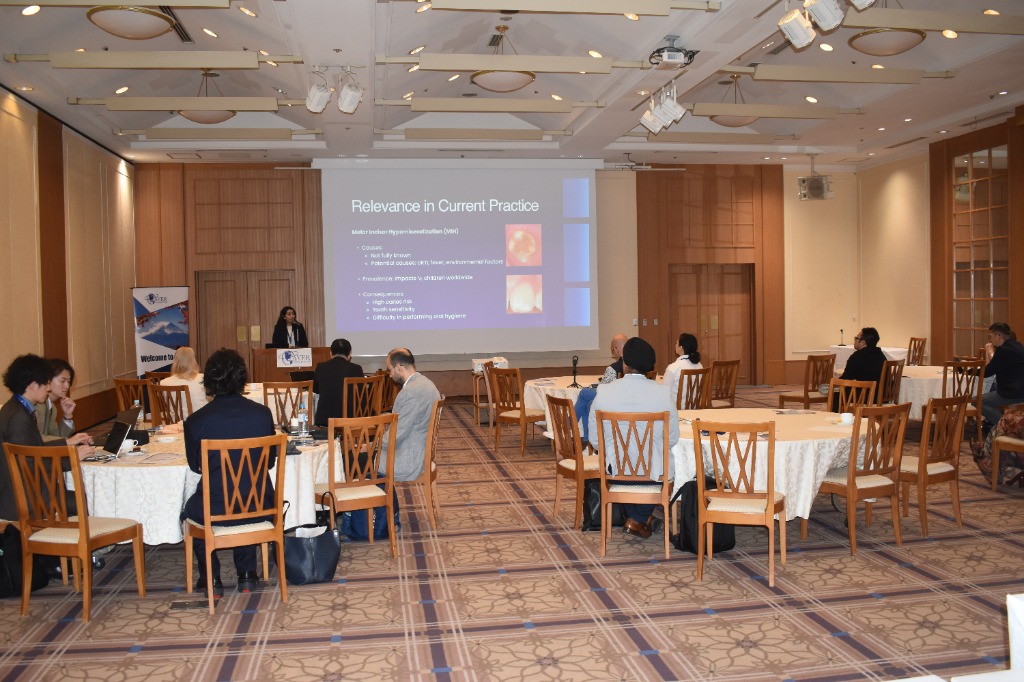
The 5th International Hybrid Conference on Dentistry & Oral Health will be held on April 26-27, 2027, in Nagano, Japan.
This premier event aims to bring together leading researchers, academicians, and industry experts to discuss the latest advancements in dentistry and oral health.
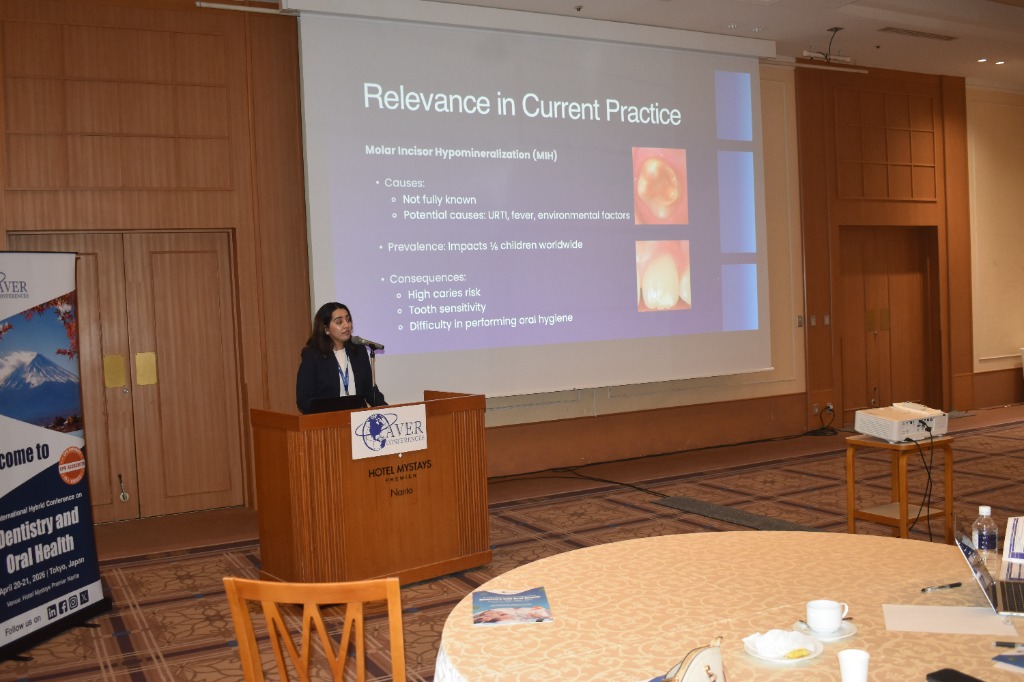
Attendees will have the opportunity to engage in keynote talks, panel discussions, and hands-on workshops, focusing on modern techniques and ethical considerations in dental practice.
TL;DR
Attending this conference offers invaluable insights into the latest research and clinical practices in dentistry. Network with industry leaders, gain knowledge from expert speakers, and explore innovative solutions that can enhance your practice. Participate in discussions that shape the future of oral health care.
Exhibiting at this conference provides a unique opportunity to showcase your products and services to a targeted audience of dental professionals. Gain visibility among key decision-makers, foster valuable connections, and demonstrate your commitment to advancing dental care. Leverage this platform to enhance your brand's presence in the dental community.
Attendees, exhibitors & solutions
Visitor profile
Typical attendee groups you can expect to meet.
Exhibitor profile
Main supplier and exhibitor segments present at the show.
Product categories
Key solution areas showcased across the event.
Location & Facilities
68 Horinouchi, Narita, Chiba 286-0107, Japan
Ana Crowne Plaza Narita in Nagano typically provides on-site or adjacent visitor parking during major trade fairs; confirm daily rates, payment methods and hall access on the organiser or venue website before travel.
Food options
On-site catering
On-site diningParking: Ana Crowne Plaza Narita in Nagano typically provides on-site or adjacent visitor parking during major trade fairs; confirm daily rates, payment methods and hall access on the organiser or venue website before travel.
Gate: Follow organiser signage to the main visitor entrance at Ana Crowne Plaza Narita for badge collection; allow extra time for security screening during peak morning arrival.
Attend
Speaker
Delegate
Student
Virtual Participation
Intelligence
Key market insights, trends, news and related events to help you understand the bigger picture.
Why it matters
On 2027-04-26 to 2027-04-27, 5th International Hybrid Conference on Dentistry & Oral Health in Nagano covering Dental instruments and equipment for clinical use., Innovative dental materials for restorative procedures., Digital sol gives trade buyers a single calendar window to compare suppliers, validate specs on the stand, and book follow-ups before the next buying cycle - especially when your roadmap matches the published exhibitor profile.
Key trends shaping this market and its wider industry.
Digital buyer journeys
What digital buyer journeys means for buyers and exhibitors in this sector.
Sustainability in procurement
What sustainability in procurement means for buyers and exhibitors in this sector.
Automation and labour efficiency
What automation and labour efficiency means for buyers and exhibitors in this sector.
Regional supply-chain resilience
What regional supply-chain resilience means for buyers and exhibitors in this sector.
Hybrid engagement models
What hybrid engagement models means for buyers and exhibitors in this sector.
Plan your trip

A range of accommodation options near the venue and across key areas.
Nagano Station business hotel (typical category)
USD 55–95 / night
Compact rooms, reliable wifi and the best rail access for attendees arriving by Shinkansen. Book early for a two-day meeting in late April.
Nagano Station midscale hotel (typical category)
USD 95–150 / night
Larger rooms and breakfast buffets, a practical base for exhibitors who need space for samples and laptops.
City centre and Zenko-ji district hotel (typical category)
USD 150–240 / night
Best choice for evening hospitality and for delegates who want the historic district within walking distance; higher April rate.
Nagano city economy chain hotel (typical category)
USD 40–70 / night
Smallest rooms and fewest amenities, but the lowest nightly band for students and postgraduate attendees.
Outer Nagano guesthouse or short-stay apartment (typical category)
USD 32–60 / night
Useful when central hotels fill up; verify the last-bus time before choosing a location outside the city core.
Get around the city with these convenient transport options.
Hokuriku Shinkansen (Tokyo Station to Nagano Station)
The fastest and most reliable arrival route for international attendees. Reserved seats are worth the small premium during holiday periods.
Narita Express (N'EX) or limousine bus
Choose rail if you are connecting straight to the Shinkansen and holding a JR pass; the bus may be simpler with large luggage.
Keikyu line or Tokyo Monorail
Cheapest airport-to-rail transfer in the itinerary; add a JR leg or Shinkansen transfer at Tokyo Station.
Meitetsu limited express plus JR limited express
Alternative to Tokyo routing; total journey time is longer and connections are less frequent, so check timetables before committing.
Local city bus
Flat-fare city services with frequent departures; have coins or an IC card ready and board at the correct station exit.
Nagano Dentetsu local line
Small private railway useful for the temple district and for hotels away from the Shinkansen exit.
Taxi (short city trip)
Metered and reliable, but scarce during the morning rush and after large sessions end; show the venue address in Japanese.
Taxi (station to Matsumoto or airport run)
Only sensible for small groups or tight connections; rail is cheaper and more predictable for these distances.
Weather
Late April in Nagano is mild spring weather: daytime highs typically 15-20 C, night-time lows around 4-8 C, with changeable skies and passing rain fronts. Cherry blossom is usually past peak in the city but can still be seen at higher elevations in the surrounding hills. Mornings and evenings are cool enough for a jacket, and conference rooms are often air-conditioned, so layering works better than a single heavy coat. These are climatological bands, not a forecast - check a local forecast 3-5 days before travel.
Plan for the climate
Check temperatures and pack accordingly
Venue connectivity
Confirm mobile roaming or local SIM options for business visitors to Japan.
Ride-hailing
Taxis
Public transit
Car rentals
Useful information to help you have a smooth and respectful visit.
Zenko-ji and the temple district
Nagano's landmark is Zenko-ji, a major pilgrimage temple a short bus or Dentetsu line ride from the station. The morning service and the approach street lined with shops are a straightforward pre-session or evening visit; dress warmly because the main hall is unheated.
Soba and local food
Nagano is a soba prefecture, and shinshu soba is served cold with a dipping sauce or hot in broth. Portions at lunch are quick and inexpensive, which suits a two-day conference schedule. Vegetarian options exist but are not universal - ask before ordering.
Tipping and payment
Tipping is not customary in Japan and can cause confusion. Credit cards are widely accepted in hotels and larger restaurants, but small shops, temple stalls and some transport counters still prefer cash, so keep yen on hand.
Business cards and introductions
Exchanging business cards (meishi) is standard practice in Japanese professional settings. Offer and receive with both hands, look at the card before putting it away, and keep it in a card holder rather than a pocket.
Punctuality and quiet manners
Sessions and trains start on time, so arrive a few minutes early. On trains and in hotel corridors, keep phone calls short and conversations low; eating while walking is also uncommon, particularly in the station area.
Shoes and indoor spaces
Some traditional restaurants, temples and guesthouses expect shoes to be removed at the entrance. Wear footwear that is easy to slip off and keep socks in good condition during conference week.
Language
Japanese is the working language of most local services, and English signage is reliable at stations and in hotels but thinner in small restaurants. Save the venue address in Japanese characters for taxi drivers and keep a translation app handy.
Weather etiquette and attire
April weather changes quickly, so a light rain jacket and an umbrella are part of normal city dress. Business casual works for the conference floor; formal suits are not required for a dental meeting unless you are presenting.
Practical guides
Everything needed to arrive prepared, navigate the event, and make the visit productive.
Compare flights to the nearest international gateway serving Nagano; confirm ground transport on the organiser site.
Get to the venue and around the city with these options.
Airport → venue: Use the nearest international airport serving Nagano; Metro, train or taxi links are typically available to the venue district.
Hotel → venue: Precinct hotels near Ana Crowne Plaza Narita: Nagano Station / Shinkansen exit: Nagano Station business hotel (typical category); Nagano Station east side: Nagano Station midscale hotel (typical category); Zenko-ji / central Nagano: City centre and Zenko-ji district hotel (typical category).
Ride-hail: Ride-hailing apps are commonly used in Nagano; confirm local availability before travel.
Public transit: Nagano is reached by the Hokuriku Shinkansen from Tokyo Station (roughly 80-110 minutes, reserved seat advisable) and then by local city bus, the Nagano Dentetsu line or taxi to the conference district. From the station, city buses run at flat-fare rates in the low hundreds of yen, Nagano Dentetsu trains serve Zenko-ji and northern suburbs, and taxis cover short central trips. If you fly into Chubu Centrair, expect a Meitetsu rail leg to Nagoya Station followed by limited express services toward Nagano Prefecture. Confirm the exact stop or exit for the venue once the organiser publishes the address, and allow extra time on the opening morning.
Parking: On-site parking is available at Ana Crowne Plaza Narita; confirm daily rates and hall access on the organiser or venue site.
Plan and pack for the event climate.
Month: April 2027
Temperature: Late April in Nagano typically sees daytime highs of 15-20 C and night-time lows of 4-8 C, with occasional warmer afternoons before the rainy season arrives. Conference rooms tend to be air-conditioned, so plan for a cool indoor temperature even on a mild day. These are seasonal averages - check a short-range forecast before departure.
Seasonality: Late April sits in Nagano's spring green season, ahead of the June rainy season: generally mild and bright with passing rain fronts rather than sustained downpours. Cherry blossom is usually finished in the city by mid-April but can still be visible at higher elevations around the prefecture, and mountain areas remain noticeably cooler than the city. Pack for changeable conditions rather than a single weather pattern.
Packing: Bring a light jacket or mid-layer, a compact umbrella and comfortable walking shoes for the station-to-venue legs. Add a plug adapter for Japan's 100 V type A sockets, a card holder for business card exchanges, and a small amount of yen for buses and local shops. Business casual is appropriate for the conference floor, with a slightly smarter layer for any speaker or poster session.
Plan your trip
Best day to visit: Day 2 (mid-show)
Mid-show days at 5th International Hybrid Conference on Dentistry & Oral Health usually combine full exhibitor attendance with scheduled B2B meetings, before early pack-down on the final day.
Book rail or air travel to Tokyo or Chubu and reserve a Hokuriku Shinkansen seat to Nagano; reserved seats sell out on Friday evenings and Sunday afternoons.
Reconcile hotel dates against the 26-27 April 2027 programme, including the night before the opening day, and save the confirmation offline.
Check passport validity (six months is a safe rule) and confirm visa status or visa-exemption eligibility with the Japanese embassy or consulate for your nationality.
Download the programme from dental.averconferences.com/schedule and shortlist sessions; note clashes between clinical technique tracks and practice-management tracks.
Arrange travel insurance and check that it covers the activities you plan, including any hands-on workshop registration.
Order yen or plan ATM access; Japanese cash machines at convenience stores are the most reliable option outside banking hours.; Check the Nagano forecast, pack layers for 4-20 C swings, a compact umbrella and comfortable shoes for station-to-venue walking.
Pack a plug adapter for Japan's 100 V type A sockets, plus business cards if you plan to meet suppliers or exchange contacts with clinicians.
Re-check your arrival route from Nagano Station to the venue, print or screenshot the venue address in Japanese for taxi drivers, and set an early alarm for day one.
Arrive 30-45 minutes before the first session for badge collection, then walk the exhibition once without agenda to map the suppliers you want to revisit.
Within 72 hours, file your notes by product category (imaging, implants, consumables, sterilisation) and follow up with the two or three suppliers whose specifications actually matched your clinic.
Confirm your registration category (delegate, student, speaker or virtual) on dental.averconferences.com and check that the confirmation email shows the correct name, affiliation and dates.
Registration and hall orientation at Ana Crowne Plaza Narita
Supplier meetings and product demos
Final negotiations and follow-up
5th International Hybrid Conference on Dentistry & Oral Health registration concourse
Ana Crowne Plaza Narita
Central meeting point before and between hall appointments during show days.
Organiser B2B lounge (if offered)
Ana Crowne Plaza Narita
Hosted matchmaking and buyer programmes when published by the organiser.
Budget

Adjust the inputs below to create a directional event budget.
This is a directional estimate. Please verify live rates before booking.
Official cost items and estimated ranges for exhibitors.
visitor_ticket
visitor · General admission
JPY 599 / per person
| Item | For | Tier | Estimated range | Status | As of |
|---|---|---|---|---|---|
| visitor_ticket | visitor | General admission | JPY 599 / per person | organiser_published |
Decision
Use this quick check to decide whether 5th International Hybrid Conference on Dentistry & Oral Health fits your visit, exhibit or skip plan.
QUESTION 1 OF 6
For 5th International Hybrid Conference on Dentistry & Oral Health, what is your primary role on the show floor?
Compare participation options side by side to choose the best fit for your objectives.
visit
Your category focus and target suppliers align with the official exhibitor profile.
Best for
Buyers, engineers, and delegates sourcing Dental instruments and equipment for clinical use. solutions and benchmarking suppliers at 5th International Hybrid Conference on Dentistry & Oral Health in Nagano.
Min. budget
$94,729.00
Timeline
4-8 weeks before opening day for registration, hotels, and travel.
Risks
Session times and ticket tiers may change - confirm the official agenda before booking.
exhibit
You have a defined lead-generation or distributor recruitment goal for this market.
Best for
Brands and manufacturers launching Dental instruments and equipment for clinical use. products who need qualified meetings with the event's trade audience.
Min. budget
$426,280.00
Timeline
3-6 months for stand booking, freight, staffing, and pre-show marketing.
Risks
Booth pricing and corner premiums vary by hall - confirm with the organiser sales team.
skip
Audience, geography, or commercial goals do not justify travel and stand costs this cycle.
Best for
Teams with weak category fit, budget constraints, or overlapping commitments during the Nagano show week.
Timeline
N/A
Risks
Skipping may mean missing buyer meetings if competitors exhibit or attend the same week.
Gallery


FAQs & glossary
Frequently asked
Glossary
Also known as
Alternate names and search phrases for this event.
1 more alternate names hidden
Display a free company card at your booth, or share your professional card on the show floor.