Impact
A bigger and stronger platform
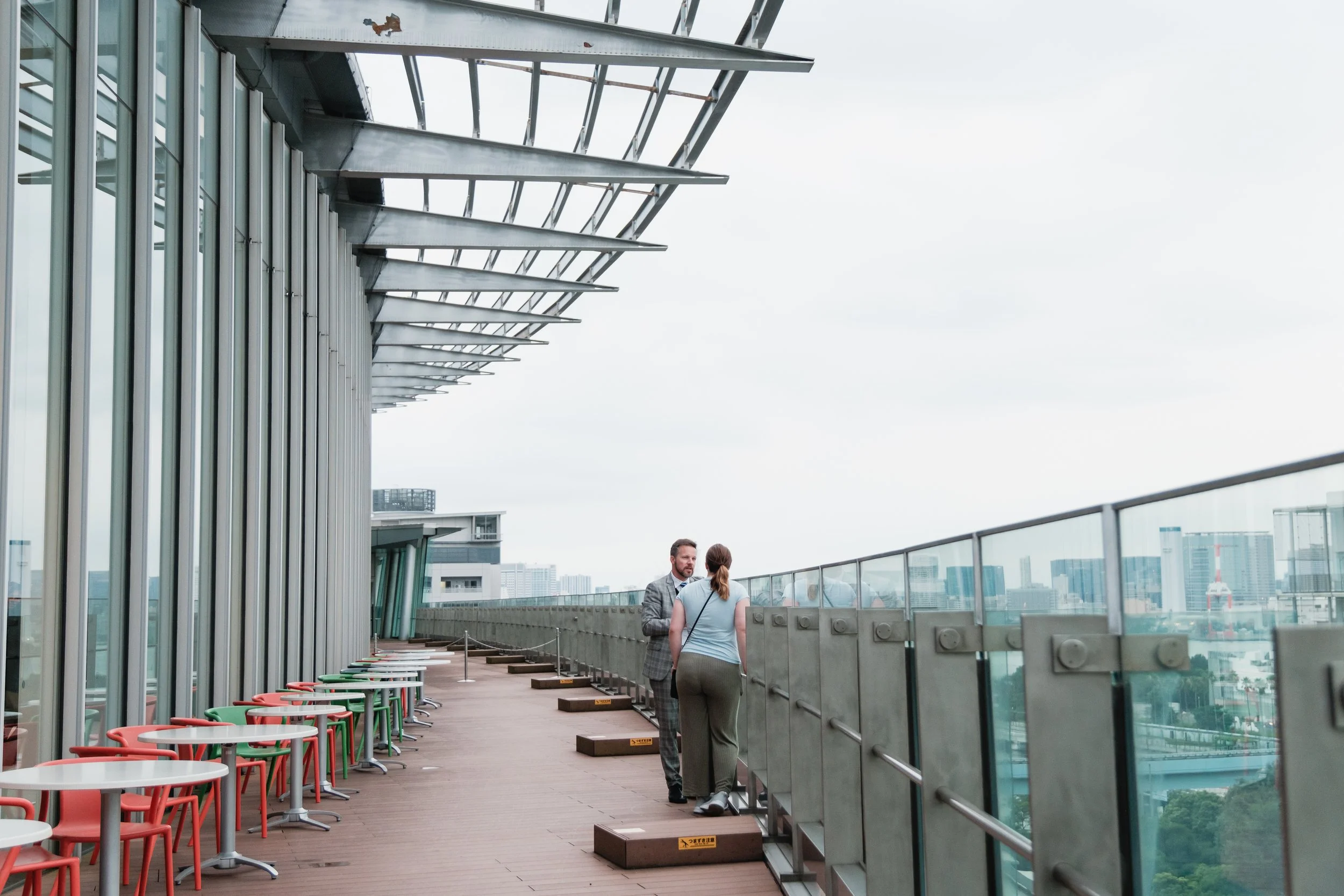
Prior-edition figures sourced from post-show reporting for 2025; confirm against organiser press release when available. The 2025 edition brought together 490+ visitors at National Museum of the Republic.

Join the 8th Summit for Space Sustainability on November 4-5, 2026, at the National Museum of the Republic, Brasília, Brazil, focusing on sustainable space activities.
Dates
4–5 Nov 2026
City / country
Brasília, Brazil
Venue
National Museum of the Republic
Are you the organiser of this event?
Event overview
The 8th Summit for Space Sustainability is an international forum dedicated to advancing solutions for the long-term sustainability of space activities. This edition, co-hosted by the Secure World Foundation and the Brazilian Space Agency, marks the first time the summit is held in Latin America.
It will gather diverse stakeholders to discuss shared challenges and regional perspectives on space governance. Summit for Space Sustainability 2026 takes place in Brasília, Brazil.
TL;DR
Attendees will gain insights from leading experts on space sustainability, network with industry leaders, and participate in discussions shaping the future of space governance. The summit offers a unique opportunity to engage with policymakers and researchers focused on sustainable practices in space.
Exhibitors will showcase innovations in space technology and sustainability practices, connect with key decision-makers, and enhance their visibility in the growing space sector. Attendees include policymakers, industry leaders, researchers, and civil society representatives. The 8th Summit for Space Sustainability is an international forum dedicated to advancing solutions for the long-term sustainability of space activities.
Attendees, exhibitors & solutions
Visitor profile
Typical attendee groups you can expect to meet.
Exhibitor profile
Main supplier and exhibitor segments present at the show.
Product categories
Key solution areas showcased across the event.
Location & Facilities
Brasília, Brazil
National Museum of the Republic in Brasília typically provides on-site or adjacent visitor parking during major trade fairs; confirm daily rates, payment methods and hall access on the organiser or venue website before travel.
Food options
On-site catering
On-site diningParking: National Museum of the Republic in Brasília typically provides on-site or adjacent visitor parking during major trade fairs; confirm daily rates, payment methods and hall access on the organiser or venue website before travel.
Gate: Follow organiser signage to the main visitor entrance at National Museum of the Republic for badge collection; allow extra time for security screening during peak morning arrival.
Attend
How the last edition performed
Visitors
490
Visitor countries
35
Impact
Prior-edition figures sourced from post-show reporting for 2025; confirm against organiser press release when available. The 2025 edition brought together 490+ visitors at National Museum of the Republic.
Intelligence
Key market insights, trends, news and related events to help you understand the bigger picture.
Why it matters
Attendees will gain insights from leading experts on space sustainability, network with industry leaders, and participate in discussions shaping the future of space governance. The summit offers a unique opportunity to engage with policymakers and researchers focused on sustainable practices in space.
Key trends shaping this market and its wider industry.
Digital buyer journeys
What digital buyer journeys means for buyers and exhibitors in this sector.
Sustainability in procurement
What sustainability in procurement means for buyers and exhibitors in this sector.
Automation and labour efficiency
What automation and labour efficiency means for buyers and exhibitors in this sector.
Regional supply-chain resilience
What regional supply-chain resilience means for buyers and exhibitors in this sector.
Hybrid engagement models
What hybrid engagement models means for buyers and exhibitors in this sector.
Plan your trip
A range of accommodation options near the venue and across key areas.
Brasilia Boutique House
Rated 4.6 with excellent reviews and flagged as great price in Google Hotels results.
Hotel Bonaparte Blue Residence F 209
Pool, breakfast, free Wi-Fi, free parking, restaurant; rated 4.0.
Brasilia Tower Hotel by Castelo Itaipava
Free breakfast, free Wi-Fi, air conditioning, parking; rated 3.9.
St. Paul Plaza Hotel
Free breakfast, free Wi-Fi, free parking, outdoor pool; rated 4.4.
Golden Tulip
Free breakfast, free Wi-Fi, free parking, outdoor pool, hot tub, air conditioning, fitness center, spa; rated 4.6 from roughly 4,100 reviews.
Ramada Brasília Alvorada
Free breakfast, free Wi-Fi, free parking, outdoor pool, air conditioning, pet-friendly, fitness center, restaurant; flagged as a great deal at 33% less than usual.
Royal Tulip Brasília Alvorada
Free breakfast, free Wi-Fi, free parking, outdoor pool, hot tub, air conditioning, fitness center, spa; rated 4.7.
Get around the city with these convenient transport options.
Metro-DF
Metro-DF serves the Plano Piloto axis but not the airport directly. Check line maps and station access before travel.
Local bus
Bus routes and frequencies vary by time of day. Use a local map app and confirm the stop nearest the venue.
Taxi or ride-hailing from airport
Direct and practical with luggage. Confirm the app pickup point at BSB and avoid unmarked vehicles.
Taxi or ride-hailing short hop
Useful for evening events or rain. Check the drop-off point with the venue or hotel.
Parking
Parking availability may be limited during large events. Arrive early or use ride-hailing if you are unsure.
taxi
Weather
November in Brasília is late spring and the start of the wet season. Expect warm days around 26-29 C, cooler nights around 17-19 C, and increasing afternoon or evening thunderstorms. Rain can be heavy but often short; carry a compact umbrella and allow extra time for taxi transfers. Confirm the daily forecast before travel.
Plan for the climate
Check temperatures and pack accordingly
Venue connectivity
Confirm mobile roaming or local SIM options for business visitors to Brazil.
Ride-hailing
Taxis
Public transit
Car rentals
Useful information to help you have a smooth and respectful visit.
Planned city layout
Brasília's Monumental Axis and museum district are spread out. Use a map, allow 20-30 minutes between appointments and expect wide open spaces with limited shade around the National Museum of the Republic.
Language
Portuguese is the working language of Brazil. International space-policy sessions often use English, but confirm the official language and interpretation arrangements on the programme.
Business etiquette
Business casual is typical for policy and space-sector conferences. Arrive on time, exchange cards and use formal titles until invited to use first names.
Tipping
A 10% service charge is often added to restaurant bills. Check the bill before adding an extra tip, and confirm card acceptance in smaller venues.
Heat and rain
November brings heat and sudden storms. Carry water, use sun protection and keep a light rain jacket or umbrella in your bag.
Museum district
The Esplanada dos Ministérios and museum area is walkable in parts but not compact. Wear comfortable shoes and plan ride-hailing for longer hops or rainy periods.
Practical guides
Everything needed to arrive prepared, navigate the event, and make the visit productive.
Google Flights captures for the 4 November 2026 query returned Brazilian domestic-priced options rather than long-haul itineraries into BSB; the sample fares (Brasília to Belo Horizonte and back from R$449, Rio de Janeiro to Brasília nonstop from R$726) are domestic Brazilian connections. Book international legs to Brasília (BSB) separately and confirm connections through São Paulo or Rio de Janeiro with the airline.
Get to the venue and around the city with these options.
Airport → venue: Use the nearest international airport serving Brasília; Metro, train or taxi links are typically available to the venue district.
Hotel → venue: Precinct hotels near National Museum of the Republic: Near National Museum of the Republic (approx. 1 km): Brasilia Boutique House; Near National Museum of the Republic (approx. 1.2 km): Hotel Bonaparte Blue Residence F 209; Near National Museum of the Republic (approx. 1.5 km): Brasilia Tower Hotel by Castelo Itaipava.
Ride-hail: Ride-hailing apps are commonly used in Brasília; confirm local availability before travel.
Public transit: Brasília's Metro-DF serves the Plano Piloto axis but not the airport directly. For the National Museum of the Republic, take metro or bus to the central bus station (Rodoviaria Plano Piloto) and connect by local bus, taxi or ride-hailing. Confirm routes, station access and fares on arrival, and allow extra time during rain.
Parking: On-site parking is available at National Museum of the Republic; confirm daily rates and hall access on the organiser or venue site.
Plan and pack for the event climate.
Month: November 2026
Temperature: Daytime approx. 26-29 C (79-84 F); nights approx. 17-19 C (63-66 F). Confirm the daily forecast before travel.
Seasonality: November is the onset of Brasília's rainy season, with increasing humidity and frequent afternoon or evening thunderstorms. Rain is often heavy but brief. Carry rain protection and plan indoor alternatives.
Packing: Daytime approx. 26-29 C (79-84 F); nights approx. 17-19 C (63-66 F). Confirm the daily forecast before travel. November is the onset of Brasília's rainy season, with increasing humidity and frequent afternoon or evening thunderstorms. Rain is often heavy but brief. Carry rain protection and plan ind
Plan your trip
Best day to visit: Day 2 (mid-show)
Mid-show days at Summit for Space Sustainability 2026 usually combine full exhibitor attendance with scheduled B2B meetings, before early pack-down on the final day.
14 days out - Confirm your registration category and save the confirmation QR code or badge collection instructions.
13 days out - Book flights into Brasília (BSB) with a buffer before the first session; November is the start of the rainy season.
12 days out - Reserve a hotel in the Monumental Axis or museum district and confirm cancellation terms.
11 days out - Download the programme and mark sessions on debris remediation, STM, SSA, servicing and policy.
10 days out - Check Brazil entry rules for your nationality and passport validity.
9 days out - Arrange an airport transfer or ride-hailing account; confirm whether metro and bus fit your arrival time.
7 days out - Save the venue address and a map of the National Museum of the Republic area on your phone.
6 days out - Send meeting requests to exhibitors and delegates, and share a mobile number for on-site coordination.
5 days out - Pack business casual clothing, a light rain layer and comfortable shoes for the museum district.
4 days out - Check the daily forecast and plan indoor alternatives for afternoon storms.
3 days out - Confirm any side events, reception invitations or delegation meetings.
2 days out - Charge devices and pack a power bank, adapters and a reusable water bottle.
1 day out - Review venue security rules and arrive early on day one for badge collection.
Day 0 - Collect your badge, walk the exhibition area and orient yourself before the opening session.
Registration and hall orientation at National Museum of the Republic
Supplier meetings and product demos
Final negotiations and follow-up
Summit for Space Sustainability 2026 registration concourse
National Museum of the Republic
Central meeting point before and between hall appointments during show days.
Organiser B2B lounge (if offered)
National Museum of the Republic
Hosted matchmaking and buyer programmes when published by the organiser.
Budget

Adjust the inputs below to create a directional event budget.
This is a directional estimate. Please verify live rates before booking.
Decision
Use this quick check to decide whether Summit for Space Sustainability 2026 fits your visit, exhibit or skip plan.
QUESTION 1 OF 6
For Summit for Space Sustainability 2026, what is your primary role on the show floor?
Compare participation options side by side to choose the best fit for your objectives.
visit
Your category focus and target suppliers align with the official exhibitor profile.
Best for
Buyers, engineers, and delegates sourcing Satellite technology and services and Space debris mitigation solutions solutions and benchmarking suppliers at Summit for Space Sustainability 2026 in Brasília.
Min. budget
$450.00
Timeline
4-8 weeks before opening day for registration, hotels, and travel.
Risks
Session times and ticket tiers may change - confirm the official agenda before booking.
exhibit
You have a defined lead-generation or distributor recruitment goal for this market.
Best for
Brands and manufacturers launching Satellite technology and services and Space debris mitigation solutions products who need qualified meetings with the event's trade audience.
Min. budget
$2,200.00
Timeline
3-6 months for stand booking, freight, staffing, and pre-show marketing.
Risks
Booth pricing and corner premiums vary by hall - confirm with the organiser sales team.
skip
Audience, geography, or commercial goals do not justify travel and stand costs this cycle.
Best for
Teams with weak category fit, budget constraints, or overlapping commitments during the Brasília show week.
Timeline
N/A
Risks
Skipping may mean missing buyer meetings if competitors exhibit or attend the same week.
FAQs & glossary
Frequently asked
Glossary
Also known as
Alternate names and search phrases for this event.
Display a free company card at your booth, or share your professional card on the show floor.