October Special — 50% off Spotlights and exhibitor listsSee prices

    Dates

    14 Oct 2026

    City / country

    Koto-ku, Tokyo, Japan

    Venue

    Tokyo International Exhibition Center (Tokyo Big Sight)

    Time

    10:00 AM – 5:00 PM

    20 Floor Picks

    Matched booths for S-TEC JAPAN SAFETY AND TECHNOLOGY JAPAN 2026

    Get my picks

    Exhibiting at?

    Enter your business email to get a free first Exclusive Spotlight worth 250$.

    Explore Spotlights
    Official Website Register / Buy Tickets

    Are you the organiser of this event?

    Event overview

    Overview

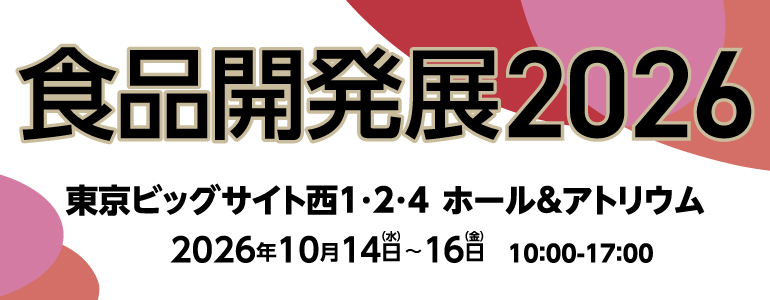
    S-TEC JAPAN (Safety and Technology Japan) 2026 is Japan's only specialised exhibition for food safety and quality control technology, co-located with Hi Japan, FiT Japan, and LL Japan as part of the Food Development Expo 2026.

    It brings together analysis, measurement, hygiene materials, and manufacturing technologies for food engineers, serving as Asia's largest technical exhibition for food safety and quality assurance professionals.

    TL;DR

    1. 1S-TEC JAPAN 2026 runs 14–16 October 2026 at Tokyo Big Sight (West Halls 1, 2, 4 & Atrium), 10:00–17:00 daily.
    2. 2It is Japan's only specialised exhibition for food safety and quality control technology, targeting food engineers and food manufacturing professionals.
    3. 3The 2026 edition is part of the 37th Food Development Expo, co-located with Hi Japan, FiT Japan, and LL Japan.
    4. 4Key exhibition areas cover Safety & Hygiene, Powder & Liquid processing, Food Analysis, Food Eco, and Packaging & Label.
    5. 5Special 2026 themes include DX & AI for operational efficiency, foreign matter and pest control, and N-tec high-functional food manufacturing technology.

    Why visit

    Visiting S-TEC JAPAN 2026 allows food safety, quality, and production professionals to evaluate the latest technologies, hardware, and software for ensuring high-quality and safe food products in one place. The exhibition gathers solutions across Safety & Hygiene, Powder & Liquid processing, Food Analysis, Food Eco, and Packaging & Label, enabling side-by-side comparison and informed decision-making. Attendees can access specialised presentations on rapid hygiene inspection, commissioned testing services, DX & AI for safety and quality, foreign matter and pest control, food component analysis, and high-functional food manufacturing. The co-location with Hi Japan, FiT Japan, and LL Japan provides a comprehensive view of the food development ecosystem under one roof.

    Why exhibit

    Exhibiting at S-TEC JAPAN 2026 provides direct access to research, quality control, and production departments at food manufacturing companies. The event is Asia's largest specialised exhibition for food safety and quality technology, attracting approximately 40,000 visitors across the co-located Food Development Expo. Exhibitors can conduct technical explanations and service promotions with key decision-makers. Nearly 80 exhibitor presentation seminars are held each year, drawing close to 3,000 attendees, which amplifies exhibitor visibility and impact. The 2026 edition features special themes including DX & AI technology, foreign matter and pest control, and N-tec high-functional food manufacturing, offering focused opportunities to showcase relevant solutions.

    Attendees, exhibitors & solutions

    Who this event is for

    Visitor profile

    Typical attendee groups you can expect to meet.

    Food and health food manufacturers: R&D, quality assurance, production management, technology, and manufacturing departments
    Pharmaceutical, cosmetics, and food additive manufacturers: R&D, quality assurance, production management, technology, and manufacturing departments
    Testing and research institutions
    Food service, distribution, and trading companies: quality control, production management, and purchasing departments

    Exhibitor profile

    Main supplier and exhibitor segments present at the show.

    Safety and hygiene solution providers: microbial and allergen testing kits, cleanliness inspection kits, sanitisers, foreign matter and pest control materials, hygiene clothing and cleaning equipment, HACCP support software
    Powder and liquid processing technology suppliers: mixing, emulsifying, grinding, granulating, drying, sterilisation, separation, purification, extraction, concentration, tableting and capsule manufacturing equipment
    Food analysis and measurement instrument makers: food composition analysers, near-infrared spectrometers, chromatographs and mass spectrometers, antioxidant capacity meters, moisture and pH meters, taste/colour/odour identification devices
    Food eco solution providers: wastewater treatment equipment, deodorisation systems, unused resource utilisation systems, decarbonisation and energy-saving solutions
    Packaging and labelling suppliers: films, flexible packaging, containers, labels, form-fill-seal machines, vacuum gas replacement packaging machines, bag-making and container forming-filling machines
    DX and AI technology providers: quality and production control systems, food labelling and standards management software, AI-powered manufacturing equipment, AI-equipped inspection devices

    Product categories

    Key solution areas showcased across the event.

    Safety & Hygiene: microbial and allergen testing kits, cleanliness inspection kits, commissioned safety analysis, sanitisers, foreign matter and pest control materials, foreign matter inspection devices, hygiene clothing and cleaning equipment, HACCP support software
    Powder & Liquid: mixing, stirring and emulsifying machines, grinding and granulating machines, drying equipment, heated and non-heated sterilisation machines, separation, purification, extraction and concentration equipment, tableting and capsule manufacturing equipment
    Food Analysis: food composition analysers, near-infrared spectrometers, chromatographs and mass spectrometers, antioxidant capacity measurement, sugar and salt concentration meters, moisture, water activity and pH meters, taste, colour and odour identification devices
    Food Eco: wastewater treatment equipment and materials, deodorisation and deodorising equipment systems, unused resource utilisation systems, decarbonisation and energy-saving solutions
    Package & Label: films, flexible packaging materials, containers, labels, three-side and four-side seal packaging machines, vacuum gas replacement packaging machines, bag-making and container forming-filling machines
    DX & AI Technology: quality and production control systems, food labelling and standards management software, AI-powered manufacturing equipment, AI-equipped inspection devices
    Foreign Matter & Pest Control: inspection equipment and services for foreign matter and pest control
    N-tec (Nutra-tec): fine grinding and nano-grinding, advanced sterilisation, high-performance drying and concentration, separation and purification of functional ingredients

    Location & Facilities

    Venue

    Halls & areas

    4
    West Hall 1West Hall 2West Hall 4Atrium

    Tokyo International Exhibition Center (Tokyo Big Sight)

    3-11-1 Ariake, 135-0063 Koto-ku, Tokyo, Japan

    Entrances & gates

    Main Gate

    West Exhibition Halls

    Located on the 2F Conference Tower and used to access the East and West Exhibition Halls.

    Facilities

    Parking

    Tokyo Big Sight has approximately 3,200 parking spaces across multiple parking areas, including the Conference Tower Underground Parking, East Halls Underground Parking, South Halls Parking, and outdoor temporary lots. Parking fee is ¥250 per 30 minutes, with a daily maximum of ¥2,000 during operating hours (8:00–22:00). Transportation IC cards are accepted. During large events, parking is crowded; public transport is recommended.

    3,200 spaces · ¥2,000/day

    Accessibility

    Tokyo Big Sight is fully wheelchair accessible. Manual wheelchairs are available for free rental. Accessible parking spaces (5 in Conference Tower underground, 8 in South Halls parking) are located near elevators. The venue features automatic doors, handrails, wheelchair ramps, accessible escalators, accessible elevators, multi-purpose toilets, ostomate restrooms, diaper changing facilities, baby chairs, and a nursing room. Color universal design is implemented throughout.

    Prayer rooms

    A prayer room is available at the Visitor & Business Center on the 2F of the Conference Tower. It is free of charge and open from 9:00 to 18:00. It is shared by men and women; please inform the Business Center staff before using it. The room includes a sink and a compass indicating the direction of Mecca.

    Cloakroom

    Coin lockers are available throughout Tokyo Big Sight for temporary storage. There is no separate cloakroom service for valuables. Coin lockers are available in various sizes. For oversized luggage or long-term storage, the Visitor & Business Center (2F Conference Tower) offers baggage storage for a fee.

    Luggage storage

    Luggage storage is available at the Visitor & Business Center on the 2F of the Conference Tower for a fee. Coin lockers are also available. For nearby off-site storage, apps like ecbo cloak offer luggage storage at partner shops around Tokyo Big Sight for around ¥500–¥800 per day. Large suitcases may not fit in standard coin lockers.

    Charging points

    Mobile phone charging services are available through rental chargers at the venue (e.g., 'Charging Ren' at West Hall 1F near the escalator, ¥330 for 2 days including tax). For electric vehicles, a CHAdeMO fast charger (50kW) is located in the Conference Tower underground parking. Normal charging equipment is also available but may not support all vehicle models.

    On-site shuttle

    A free shuttle bus service operates between Tokyo Big Sight and the Aomi Exhibition Halls when events are held at both locations. The shuttle runs approximately every 8 minutes between 10:00 and 18:00. A separate shuttle connects Kokusai-Tenjijo Station (Rinkai Line) with the South 1 Hall during large events, running every 10 minutes (4–5 minutes travel time). Check the official event website for specific shuttle schedules during S-TEC JAPAN 2026.

    Food options

    Food Court (1T1), PRONTO, MAHARANI, Tully's Coffee, Starbucks, Convenience Stores

    On-site dining

    Parking: Tokyo Big Sight permanent parking includes Conference Tower Underground, East Halls Underground and South Halls parking, generally open 8:00-22:00 at ¥250 per 30 minutes with a ¥2,000 daily maximum. Temporary parking availability depends on the exhibition situation.

    Gate: Tokyo Big Sight identifies the Main Gate on the 2F Conference Tower as the venue entrance serving the East and West Exhibition Halls. No S-tec Japan 2026-specific gate assignment was found.

    Attend

    Entry & tickets

    Trade-only

    Event days & opening times

    DayOpening hours
    10:00 AM –5:00 PM on October 14 – 16, 2026
    • Full-period ticket

      Valid for the entire period from October 14 to 16, 2026. Electronic ticket only. Free entry via advance registration is recommended.

      CN¥200.00
    Register

    Ticket info

    Badge collection

    After pre-registration, please print out your visitor badge and bring it to the venue on the day. At the registration desk, place it in a badge holder and undergo a QR code check to enter. Coming without pre-registration or a printout is possible, but you will need to fill out a questionnaire and complete various registrations on the day, so entry will take a very long time.

    Ticket notes

    This is a specialized exhibition for the food industry, so persons without business cards, those engaging in reverse selling, or those merely seeking samples will be refused entry. As this is a B2B exhibition, persons under 18 cannot enter. Entry requires an invitation ticket or advance visitor registration.

    Build-up & tear-down

    Setup starts12 Oct 2026
    Setup ends13 Oct 2026
    Teardown starts16 Oct 2026
    Teardown ends16 Oct 2026

    Who runs the show

    Organisers

    Yosuke Horikawa

    Contact person

    Food Development Expo Secretariat

    General inquiries

    Informa Markets Japan

    Organizer office

    What's on

    Programme

    2

    Commemorative Seminar

    2

    Event days

    10:10–12:40

    Typical time

    This agenda is still being finalised. Check the official agenda for the latest sessions.

    Speakers

    YK

    Yohei Kawasaki

    Professor @ Saitama Medical University Research Administration Center

    Clinical Trials for Foods with Function Claims

    YF

    Yasuhito Fujita

    Representative Director & CEO @ Integrate Co., Ltd.

    Speaker at Commemorative Seminar

    TH

    Taichi Hara

    Professor @ Waseda University Faculty of Human Sciences, Food and Life Sciences Laboratory

    Conducting Human Trials

    KK

    Kenichi Kakino

    Representative Director @ Health and Nutrition Evaluation Center Co., Ltd.

    Conducting Human Trials

    KK

    Keika Kaneishi

    WORSO Co., Ltd.

    Chinese Language Presentation

    Thursday, Oct 15, 2026

    11:30 – 12:40

    Designing 'Value That Resonates' for Sales Promotion and Marketing: Turning Sensitivity into Data, Taste into Science

    Commemorative Seminar

    Friday, Oct 16, 2026

    10:10 – 12:30

    Halal Market Outlook

    Commemorative Seminar

    Topic tracks

    DX & AI TechnologySafety & Quality ControlHalal Market OutlookSales Promotion & Marketing

    Co-located events

    Hi Japan (Health Ingredients Japan)

    Separate ticket

    FiT Japan (Food Taste Japan)

    Separate ticket

    LL Japan (Food Long Life Japan)

    Separate ticket

    Co-located seminars

    Commemorative Seminar

    Paid

    Exhibitor Presentations

    Paid

    Sponsors

    Japan Food Industry Center (General Incorporated Foundation)

    Japan Health and Nutrition Food Association (Public Interest Incorporated Foundation)

    Japan Food Research Laboratories (General Incorporated Foundation)

    National Soft Drink Association (General Incorporated Association)

    Japan Vegetable Oil Association (General Incorporated Association)

    All Japan Spice Association

    Japan Flavor and Fragrance Manufacturers Association

    Tokyo Microscopy Institute (General Incorporated Foundation)

    Food Forum Tsukuba

    Food Analysis Development Center SUNATEC (General Incorporated Foundation)

    Japanese Agricultural Standards Association (General Incorporated Association)

    Japan Analytical Instruments Manufacturers Association (General Incorporated Association)

    International Life Sciences Institute Japan (Specified Nonprofit Corporation) (ILSI Japan)

    Food Membrane and Separation Technology Research Association

    Sugar Industry Association

    National Noodle Manufacturing Cooperative Federation

    Institution of Professional Engineers, Japan (Public Interest Incorporated Association)

    Japan Accreditation Board (Public Interest Incorporated Foundation)

    Halal Japan Association (General Incorporated Association)

    Japan Packaging Machinery Manufacturers Association (General Incorporated Association)

    Government supporters

    Ministry of Health, Labour and Welfare

    Support

    Ministry of Agriculture, Forestry and Fisheries

    Support

    Tokyo Metropolitan Government

    Support

    Japan External Trade Organization (JETRO)

    Support

    National Agriculture and Food Research Organization, Food Research Institute (NARO Food Research Institute)

    Support

    How the last edition performed

    Previous edition

    Current edition

    2026 · 40,000 visitors · 7,000 exhibitors

    Organiser forecast for the combined Food Development Exhibition 2026 covering Hi Japan, FiT Japan, S-tec Japan and LL Japan. The organiser publishes 1,100+ planned booths and 40,000+ planned visitors, but does not publish a current exhibitor-company forecast, so exhibitor counts are left null. The 7,000 exhibitors and 250,000 visitors figures in the supplied hint are not supported by the official organiser evidence.

    Forecast — not final

    Visitors

    37,716

    Exhibitors

    671

    Growth over time

    Edition recap

    Food Development Exhibition 2025 ran from 15 to 17 October 2025 at Tokyo Big Sight, bringing together Hi Japan, FiT Japan, S-tec Japan and LL Japan. The organiser reported 671 registered exhibiting companies across 1,074 booths and 37,716 visitors over three days. Daily attendance was 12,403 on day one, 12,618 on day two and 12,695 on the final day.

    Exhibitor presentations attracted 10,185 attendees. The S-tec portion of the floor included analysis and measurement systems, food-safety and hygiene solutions, manufacturing technology, packaging and digital quality-management tools. Official and organiser-linked reports show active demonstrations of moisture analysis, sterilisation, data logging, automated analytical systems and other food-quality technologies.

    The 2026 edition is scheduled for 14 to 16 October and is being promoted as the 37th edition. The organiser forecasts 1,100+ booths, 40,000+ visitors, 35+ seminars and 400+ exhibitor presentations. A company-level exhibitor forecast has not been published, so the booth forecast should not be treated as an exhibitor count.

    New this edition

    • 1

      AI Concierge and AI visit planner

      Introduced for 2026, the AI-enabled exhibitor and presentation search can suggest relevant products, exhibitors and sessions from broad or approximate search terms. The AI planner can build a personalised visit itinerary around interests, saved exhibitors, presentations, appointments and preferred visit style.

      Source
    • 2

      Pet Health and Functional Food Development Pavilion

      A new 2026 pavilion focused on higher-value pet food and supplement development, including functional ingredients, pet supplements, contract manufacturing and safety or efficacy testing, supported by a dedicated presentation programme.

      Source
    • 3

      Upcycled Ingredient Development Pavilion

      The 2026 programme includes a dedicated pavilion for materials and initiatives that convert food-related by-products or underused resources into higher-value ingredients.

      Source
    • 4

      Fermented Ingredients Pavilion

      A dedicated 2026 pavilion brings together fermentation-related ingredients and presentations, alongside a fermentation symposium involving the National Agriculture and Food Research Organization's food research division.

      Source
    • 5

      Tea Ingredients Pavilion

      The 2026 show adds a pavilion for tea ingredients ranging from aromatic materials to health-oriented teas, including sampling and supplier presentations.

      Source

    Photos

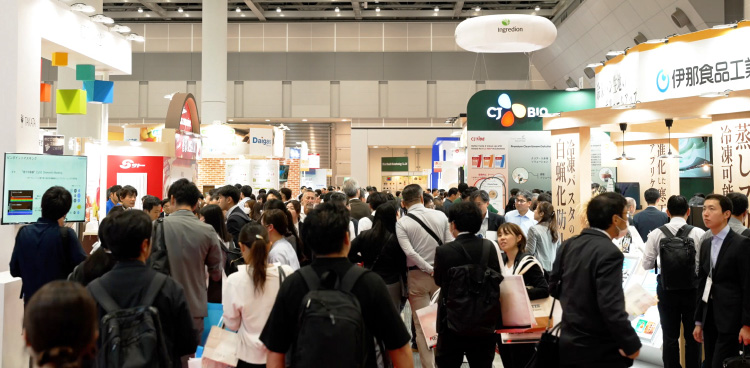
    Food Development Exhibition 2025 show-floor scene showing busy aisles and exhibitor booths.
    Food Development Exhibition 2025 show-floor scene showing busy aisles and exhibitor booths.
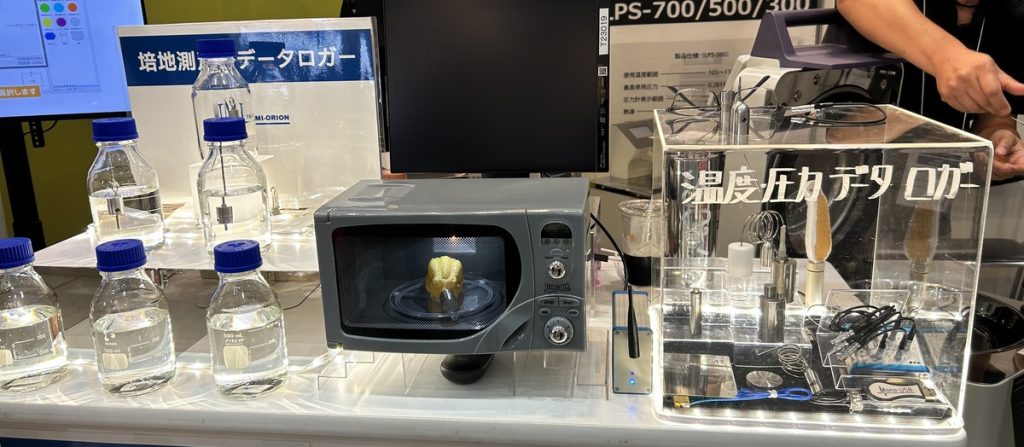
    2025 exhibition technology demonstration featuring temperature and pressure data logging equipment.
    2025 exhibition technology demonstration featuring temperature and pressure data logging equipment.
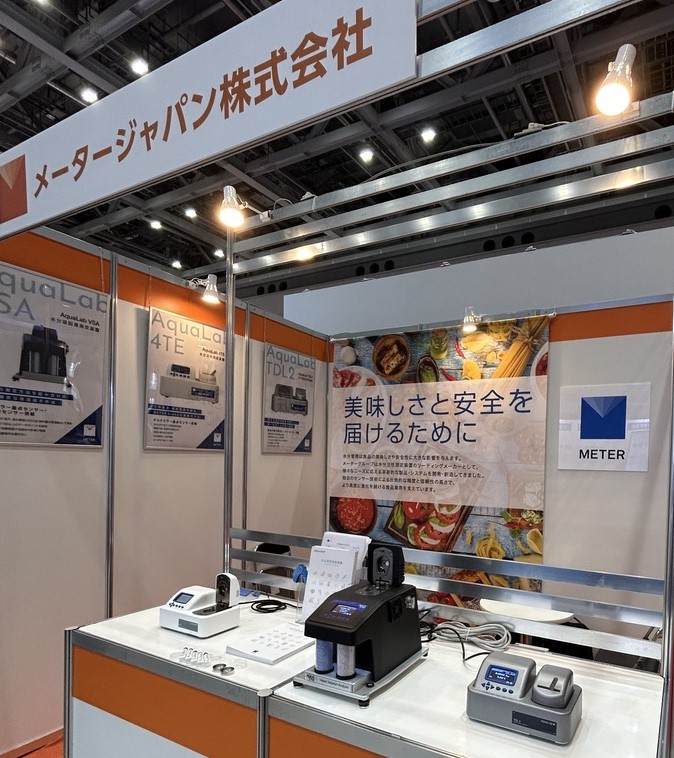
    METER Japan booth at Food Development Exhibition 2025, presenting food-quality and moisture-analysis equipment.
    METER Japan booth at Food Development Exhibition 2025, presenting food-quality and moisture-analysis equipment.
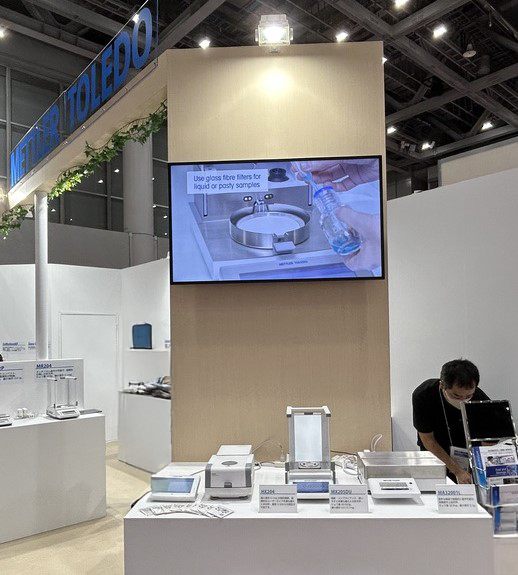
    METTLER TOLEDO exhibition booth displaying analysis and quality-control equipment during the 2025 edition.
    METTLER TOLEDO exhibition booth displaying analysis and quality-control equipment during the 2025 edition.

    Next edition outlook

    2026-10-14 – 2026-10-16
    high

    The 37th Food Development Expo, comprising Hi Japan, FiT Japan, S-tec Japan, and LL Japan, is scheduled for 14–16 October 2026 at Tokyo Big Sight West Halls 1, 2, 4 & Atrium. The organiser forecasts more than 40,000 visitors and over 1,100 booths across all four co-located shows. Special themes for 2026 include DX & AI technology for operational efficiency, foreign matter and pest control, and N-tec high-functional food manufacturing technology.

    Expanded DX & AI technology zone addressing digital transformation and AI adoption in food manufacturing. New special focus on foreign matter and pest control technologies and services. N-tec (Nutra-tec) area for high-functional food manufacturing technology including advanced sterilisation, drying, and separation processes. Continued co-location with Hi Japan, FiT Japan, and LL Japan under the Food Development Expo umbrella.

    Impact

    A bigger and stronger platform

    Food Development Expo 2025, the 36th edition comprising Hi Japan, FiT Japan, S-tec Japan, and LL Japan, attracted 37,716 visitors over three days at Tokyo Big Sight, surpassing the prior year's 36,255 attendees. The exhibition featured approximately 650 exhibiting companies and a record 1,070 booths, reflecting continued growth in Japan's food development sector. The event brought together professionals from food manufacturing, ingredient supply, quality assurance, and research and development, reinforcing its position as Japan's largest specialised exhibition for food development technology.

    Audience quality

    High-value decision-makers

    The 2025 edition drew 37,716 visitors over three days, with attendance from food manufacturers, ingredient suppliers, quality control departments, R&D divisions, and production engineering teams. The visitor profile is heavily weighted toward technical decision-makers and specialists involved in food safety, quality assurance, and manufacturing technology evaluation. The co-location of four specialised shows under one roof created a comprehensive food development ecosystem, attracting professionals with cross-functional interests in ingredients, taste technology, safety, and shelf-life extension.

    Exhibitor outcomes

    Real business growth

    No official ROI metrics or exhibitor satisfaction scores were published by the organiser for the 2025 edition. The record 1,070 booths and approximately 650 exhibiting companies indicate strong exhibitor confidence. The co-location with three other specialised food development shows amplifies audience reach across ingredient, taste, safety, and shelf-life domains. More than 370 exhibitor presentations provided exhibiting companies with dedicated platforms for technical engagement with qualified visitors.

    Intelligence

    Exhibitors

    617

    Exhibitors

    22

    Categories

    21

    Countries

    15

    Pavilions

    Top exhibitor countries

    Top 10 by exhibitor count — estimates based on published directory.

    • Japan
      503
    • China
      39
    • South Korea
      16
    • Taiwan
      12
    • India
      10
    • Brazil
      7
    • Malaysia
      4
    • United States
      4
    • Thailand
      3
    • Canada
      3

    ~82% of listed exhibitors are from Japan.

    Category breakdown

    1~136
    estimate
    2~103
    estimate
    3~52
    estimate
    4~46
    estimate
    5~43
    estimate
    6~31
    estimate
    7~27
    estimate
    8~27
    estimate
    9~27
    estimate
    10~20
    estimate
    11~20
    estimate
    12~14
    estimate
    13~14
    estimate
    14~12
    estimate
    15~12
    estimate

    National pavilions

    Japan

    ~503 stands
    estimate

    China

    ~39 stands
    estimate

    South Korea

    ~16 stands
    estimate

    Taiwan

    ~12 stands
    estimate

    India

    ~10 stands
    estimate

    Brazil

    ~7 stands
    estimate

    Malaysia

    ~4 stands
    estimate

    United States

    ~4 stands
    estimate

    Thailand

    ~3 stands
    estimate

    Canada

    ~3 stands
    estimate

    Spain

    ~3 stands
    estimate

    Poland

    ~2 stands
    estimate

    Singapore

    ~2 stands
    estimate

    Switzerland

    ~2 stands
    estimate

    Germany

    ~1 stands
    estimate

    Buyer targets

    High priority

    Buyers sourcing

    Other Health & Functional Food Ingredients Suppliers

    Buyers sourcing

    Health Food & Nutraceutical Ingredient Suppliers

    Buyers sourcing

    Health & Functional Food Ingredients Suppliers (profile Pending)

    Buyers sourcing

    Preservation, Shelf-Life & Food Safety Suppliers

    Buyers sourcing

    Contract Manufacturing & Supplement OEM Suppliers

    Medium priority

    Buyers sourcing

    Softgel, Capsule & Dosage Form Suppliers

    Buyers sourcing

    Botanical, Herbal & Plant Extract Suppliers

    Buyers sourcing

    Collagen, Protein & Amino Acid Suppliers

    Buyers sourcing

    Foods With Function Claims & Regulatory Services

    Buyers sourcing

    Omega-3, DHA & Marine Ingredient Suppliers

    Intelligence

    Market context

    Key market insights, trends, news and related events to help you understand the bigger picture.

    Japan (Asia-Pacific)

    Why it matters

    Japan's food safety and quality control market is one of the most sophisticated and regulation-intensive in the world, making S-TEC JAPAN a critical gateway for technology providers seeking to enter or expand in this market. Japan imports over 60% of its caloric food supply, creating structural demand for testing and inspection technologies at every stage of the supply chain. The full enforcement of HACCP in 2021 dramatically increased testing frequency across all food manufacturers, while chronic labor shortages are driving urgent adoption of automation and AI-powered inspection solutions. With the food safety testing market projected to grow from USD 1.0 billion in 2025 to USD 1.65 billion by 2034, and regulatory changes such as mandatory cashew nut allergen labeling creating new compliance requirements, the demand for safety and quality technologies is accelerating. S-TEC JAPAN's co-location with Hi Japan, FiT Japan, and LL Japan creates a comprehensive food development ecosystem that attracts decision-makers from R&D, quality assurance, and production departments across Japan's food manufacturing sector.

    Industry trends

    Key trends shaping this market and its wider industry.

    01

    Rapid Microbiological Testing Adoption Accelerates

    Japan's full enforcement of HACCP in June 2021 significantly increased testing frequency, especially among small and medium-sized food manufacturers. Traditional culture-based methods create bottlenecks due to lengthy incubation times, driving demand for rapid pathogen detection kits that deliver same-day or next-day results. The Japan food safety testing market reached USD 1.0 billion in 2025 and is projected to reach USD 1.65 billion by 2034, growing at a CAGR of 5.74%.

    Source
    02

    AI and Automation Transform Food Inspection

    Food manufacturers are increasingly adopting AI-powered visual inspection systems, hyperspectral cameras, and robotics to automate inspection processes that were previously manual. At FOOMA JAPAN 2026, the world's largest food processing expo, inspection process automation was a dominant theme, with companies showcasing AI-based six-surface visual inspection devices, AI-equipped colony counters, and collaborative robots for bottle inspection. Labor shortages in food manufacturing are accelerating this adoption.

    Source
    03

    Digital Traceability and Blockchain Integration

    Blockchain and digital traceability initiatives are gaining traction in premium supply chains such as wagyu beef, sake rice, and high-value seafood, where provenance verification commands price premiums. Companies like Asahi Kasei have integrated cloud-based fresh produce logistics systems with blockchain-based agricultural data platforms to create end-to-end smart food supply chain management. However, adoption remains slower than expected in Japan due to cost-benefit concerns in a market that rarely suspects food fraud.

    Source
    04

    Regulatory Tightening on Allergen Labeling

    Japan's Consumer Affairs Agency revised food labeling standards effective April 1, 2026, adding cashew nuts to the list of 'specific raw materials' requiring mandatory allergen labeling. Previously a recommended labeling item, cashew nuts were upgraded due to increasing allergy cases. Pistachio was newly added as a recommended labeling item. A transition period for labeling changes extends until March 31, 2029. This regulatory change is expected to drive demand for allergen testing through 2026-2027.

    Source
    05

    Cultivated Meat Safety Guidelines Under Development

    Japan's Food Sanitation Standards Council has been developing safety guidelines for cell-cultured foods since 2023, with 13 meetings held through March 2026. The draft covers source cells, manufacturing controls, quality management, allergens, nutrition, and final product specifications. The guidelines emphasize HACCP-based hygiene management as fundamental, reflecting Japan's risk analysis framework. This regulatory development signals growing industry preparation for alternative protein commercialization.

    Source
    06

    DX and AI in Food Manufacturing Operations

    Japan's food industry is accelerating digital transformation to address chronic labor shortages, with AI, IoT, and data utilization becoming central to factory operations. The government's 'Labor-Saving Investment Promotion Plan' targets a 24% improvement in food manufacturing labor productivity by 2029. Companies are implementing AI-powered demand and supply planning, generative AI for specification document conversion, and physical AI systems that move beyond simple repetitive robots to autonomous decision-making.

    Source

    Market news

    Latest updates from across the market.

    2026-01-08

    DKSH Partners with Thermo Fisher to Distribute Rapid Pathogen Detection Kits in Japan

    DKSH Business Unit Technology signed a distribution agreement with Thermo Fisher Scientific to provide SureTect rapid pathogen detection kits and sterile media solutions for food safety testing in Japan. The partnership addresses growing demand for rapid testing driven by HACCP enforcement and labor shortages in food manufacturing. SureTect kits are certified by ISO 16140, AOAC, and AFNOR and enable same-day or next-day results in-house.

    Read
    2026-02-20

    GFSI Japan Annual Conference Convenes in Tokyo to Address Food Safety Culture and Digital Innovation

    The GFSI Japan Annual Conference brought together 44 participants from leading consumer goods companies to address the evolving global food safety landscape. Working groups outlined strategic priorities including interpreting the revised GFSI Position Paper on Food Safety Culture and establishing educational requirements for auditors. The conference highlighted AI and the human capital challenge as a key 2026 roadmap focus.

    Read
    2026-04-01

    Japan Adds Cashew Nuts to Mandatory Allergen Labeling List

    Japan's food labeling standards were revised effective April 1, 2026, upgrading cashew nuts from a recommended labeling item to a mandatory 'specific raw material' requiring allergen labeling. Pistachio was newly added as a recommended labeling item. The change reflects increasing allergy cases and is expected to drive demand for allergen testing services through 2026-2027. A transition period extends until March 31, 2029.

    Read
    2026-06-03

    Japan Releases Draft Safety Guidelines for Cultivated Meat

    Japan's Food Sanitation Standards Council released draft text for most chapters of its first safety guidelines covering foods produced using cell-culture technology. The draft covers source cells, manufacturing controls, quality management, allergens, nutrition, and final product specifications. The guidelines recommend HACCP-based hygiene management and address questions around GMP-style oversight, signaling regulatory preparation for alternative protein commercialization.

    Read
    2026-03-26

    Osaka School Food Poisoning Incident Affects Over 600 People

    A mass food poisoning incident at multiple schools in Kumatori Town, Osaka Prefecture, affected more than 600 students and staff with symptoms including diarrhea and vomiting. The outbreak, which began on March 19, prompted health authorities to investigate and reinforce food safety measures. The incident underscores the critical importance of hygiene management and rapid testing in food service operations.

    Read
    2026-07-03

    FOOMA JAPAN 2026 Showcases Record Scale and Inspection Automation Focus

    FOOMA JAPAN 2026, the world's largest food processing expo, was held June 2-5 at Tokyo Big Sight with a record 1,025 exhibiting companies and over 67,000 visitors. Inspection process automation emerged as the dominant theme, with machinery trading companies showcasing AI-powered visual inspection systems, collaborative robots, and automated bottle inspection devices. The event highlighted how labor shortages are accelerating automation adoption in food manufacturing.

    Read

    Food Safety and Quality Technology Event Circuit in Asia-Pacific

    March 2026 to November 2026 (core Japan circuit); May-June 2026 for Southeast Asia events

    S-TEC JAPAN 2026 is positioned within a dense circuit of food safety, quality, and processing technology events across Japan and the Asia-Pacific region. The circuit spans the full calendar year, with major events in Tokyo, Osaka, Seoul, Bangkok, and other regional hubs. For exhibitors and visitors targeting the Japanese market, the circuit offers multiple touchpoints: FOODEX JAPAN in March for broad food and beverage sourcing, FOOMA JAPAN in June for food processing technology, Food Factory Week Osaka in September-October for factory automation and hygiene solutions, S-TEC JAPAN in October for food safety and quality control specialization, and Food Safety Japan in November for food hygiene and sanitation. In the broader Asia-Pacific region, ProPak Asia and THAIFEX-Anuga Asia in Bangkok and SEOUL FOOD in South Korea provide additional platforms for reaching regional buyers and distributors.

    10–13 Mar 2026

    FOODEX JAPAN 2026

    Tokyo, Japan

    51st edition. Held at Tokyo Big Sight. Focuses on international food and beverage sourcing with strong presence of national pavilions.

    website
    26–30 May 2026

    THAIFEX-Anuga Asia 2026

    Bangkok, Thailand

    Held at IMPACT Muang Thong Thani across 12 halls and 140,000+ sqm. 3,600+ exhibitors from 56 countries. Strong focus on food safety and quality across all zones.

    website
    2–5 Jun 2026

    FOOMA JAPAN 2026

    Tokyo, Japan

    49th edition. Held at Tokyo Big Sight with record 1,025 exhibitors and 67,000+ visitors. Inspection automation and AI were dominant themes in 2026.

    website
    9–12 Jun 2026

    SEOUL FOOD 2026

    Goyang, South Korea

    Held at KINTEX Halls 1-5, 7-8. Approximately 1,800 exhibitors. Covers food manufacturing technology, packaging, cold chain, and food safety management.

    website
    10–13 Jun 2026

    ProPak Asia 2026

    Bangkok, Thailand

    Held at IMPACT Muang Thong Thani. Co-locates with Asia Food Safety Forum 2026. Expected 2,000+ exhibiting brands and 72,000+ visitors.

    website
    30 Sep – 2 Oct 2026

    Food Factory Week Osaka 2026 (5th Food Factory Week)

    Osaka, Japan

    Held at INTEX Osaka. Co-located with Interphex Week Osaka and Regenerative Medicine Expo Osaka. Includes Food Hygiene Expo Osaka (2nd edition) focusing on food safety and sanitation.

    website
    14–16 Oct 2026

    S-TEC JAPAN 2026 (Safety and Technology Japan)

    Tokyo, Japan

    Held at Tokyo Big Sight West Halls 1, 2, 4 & Atrium. Focuses on safety & hygiene, powder & liquid processing, food analysis, food eco, packaging & label, and DX & AI technology. Organiser forecast: 40,000+ visitors and 1,100+ booths across all four co-located shows.

    website
    11–13 Nov 2026

    Food Safety Japan 2026 (FSJ 2026)

    Tokyo, Japan

    Held at Tokyo Big Sight East Halls. Focuses on food safety and sanitation measures. JFSM will host exhibitor seminars on JFS standard audit data trends and food safety culture.

    website

    Spring Japan Circuit (March-May)

    FOODEX JAPAN 2026

    Broad food and beverage sourcing event. Best for initial market exploration and distributor meetings across all food categories.

    Summer Japan Processing Circuit (June)

    FOOMA JAPAN 2026

    Food processing technology and factory automation focus. Ideal for equipment manufacturers and automation solution providers.

    Southeast Asia Circuit (May-June)

    THAIFEX-Anuga Asia 2026ProPak Asia 2026SEOUL FOOD 2026

    Regional circuit for reaching Southeast Asian and Korean buyers. ProPak Asia includes a dedicated Lab & Test Asia zone for quality control technologies.

    Autumn Japan Food Safety Circuit (September-November)

    Food Factory Week Osaka 2026S-TEC JAPAN 2026Food Safety Japan 2026

    The core food safety and quality technology circuit in Japan. Food Factory Week Osaka covers factory-level hygiene and automation; S-TEC JAPAN specialises in safety and quality control technology; Food Safety Japan focuses on hygiene and sanitation measures. These three events span Osaka and Tokyo across September-November.

    Event dates are sourced from official event websites, JETRO's J-messe database, and organiser announcements. FOOMA JAPAN 2026 and FOODEX JAPAN 2026 dates are confirmed by official organisers. Food Safety Japan 2026 dates are confirmed by JFSM and Tokyo Big Sight event calendar. S-TEC JAPAN 2026 dates are from the official Food Development Expo website. ProPak Asia, THAIFEX-Anuga Asia, and SEOUL FOOD dates are from respective official event websites.

    Plan your trip

    Travel & logistics

    Local currency · JPY

    Arrival airports

    Choose from the following airports, with convenient access to the event and venue.

    HND

    Tokyo Haneda Airport (Tokyo International Airport)

    Haneda is the closest major airport to Tokyo Big Sight. Airport limousine buses run directly to the venue (about 25 minutes). Alternatively, take the Keikyu Line to Shinagawa and transfer to the Rinkai Line to Kokusai-Tenjijo Station (about 7 minutes' walk) or the Yurikamome Line to Tokyo Big Sight Station (about 3 minutes' walk).

    Approximately 9 km

    to venue

    About 25 minutes by airport limousine bus; about 15 minutes by car

    by car

    NRT

    Narita International Airport

    Narita handles most international flights. Airport limousine buses run to Tokyo Big Sight (about 60 minutes) or to Tokyo Bay Ariake Washington Hotel (about 80 minutes, then 3 minutes' walk). By train, take the Narita Express or Keisei Skyliner to central Tokyo, then transfer to the Rinkai Line or Yurikamome Line.

    Approximately 56–60 km

    to venue

    About 60–80 minutes by airport limousine bus

    by car

    IBR

    Ibaraki Airport

    Ibaraki Airport is a smaller regional airport with limited domestic and international flights. Access to Tokyo Big Sight requires a bus or train to Tokyo Station, then a transfer to the Rinkai Line or Yurikamome Line. It is not a practical option for most international visitors.

    Approximately 82 km

    to venue

    About 90–120 minutes by car or bus

    by car

    Hotel tiers

    A range of accommodation options near the venue and across key areas.

    budget
    Ariake / Tokyo Bay waterfront

    USD 60–120 / night

    Estimated USD range per night for a standard double room during the event period. Options include Tokyo Bay Ariake Washington Hotel (3-star, walking distance to Tokyo Big Sight) and Sotetsu Grand Fresa Tokyo-Bay Ariake (3-star, 300m from Tokyo Big Sight Station). Prices verified from hotel search aggregators as of September 2026; actual rates vary by booking date and availability.

    mid range
    Ariake / Odaiba / Toyosu

    USD 120–220 / night

    Estimated USD range per night for a standard double room during the event period. Options include DoubleTree by Hilton Tokyo Ariake (4-star, 4 minutes from Tokyo Big Sight), Hotel Trusty Tokyo Bayside (7-minute walk from Tokyo Big Sight), and Far East Village Hotel Tokyo Ariake. Prices verified from hotel search aggregators as of September 2026.

    premium
    Odaiba / Tokyo Station / Marunouchi

    USD 220–450 / night

    Estimated USD range per night for a standard double room during the event period. Options include Hilton Tokyo Odaiba (approximately USD 171 per night), Villa Fontaine Grand Tokyo Ariake (4-star, approximately USD 141 per night), Hotel Metropolitan Marunouchi (approximately USD 239 per night), and The Tokyo Station Hotel (from approximately USD 414 per night). Premium hotels in Marunouchi offer direct Rinkai Line access to Kokusai-Tenjijo Station. Prices verified from hotel search aggregators as of September 2026.

    Local transport

    Get around the city with these convenient transport options.

    Yurikamome Line (elevated train)

    Estimated cost¥380 one-way (approx. USD 2.50)
    Best forShimbashi Station → Tokyo Big Sight Station (approx. 22 min)

    Tokyo Big Sight Station is a 3-minute walk from the venue entrance. Trains run every 10 minutes. The Yurikamome connects to JR Yamanote Line, Tokyo Metro Ginza Line, and Toei Asakusa Line at Shimbashi Station. Fare from Shimbashi is ¥380 one-way. Source: official Tokyo Big Sight access page and JPCA Show access information.

    Rinkai Line (underground train)

    Estimated costStandard fare applies (approx. ¥300–¥500 depending on origin)
    Best forOsaki Station → Kokusai-Tenjijo Station (approx. 13 min); Shin-Kiba Station → Kokusai-Tenjijo Station (approx. 7 min)

    Kokusai-Tenjijo Station is a 7-minute walk from Tokyo Big Sight. The Rinkai Line connects to JR Saikyo Line at Osaki and to JR Keiyo Line and Tokyo Metro Yurakucho Line at Shin-Kiba. Travel time from Shinjuku is approximately 25 minutes via Osaki. Source: official Tokyo Big Sight access page and event venue access pages.

    Airport Limousine Bus

    Estimated cost¥1,000 one-way (approx. USD 6.30) for adults; ¥500 for children
    Best forHaneda Airport (HND) → Ariake / Daiba / Big Sight area

    Direct bus service from Haneda Airport to Tokyo Big Sight and nearby hotels including DoubleTree by Hilton Tokyo Ariake, Sotetsu Grand Fresa Tokyo-Bay Ariake, and Tokyo Bay Ariake Washington Hotel. Travel time approximately 20–40 minutes depending on traffic. Buses run every 2–4 hours. Reservations can be made online or tickets purchased on board. Source: Airport Limousine Bus official route page.

    Taxi

    Estimated costBase fare ¥730 for first 2km, then ¥90 per 280m; short trips from Tokyo Station approx. ¥3,000–¥4,000 (approx. USD 20–27)
    Best forCentral Tokyo → Tokyo Big Sight

    Taxis are widely available across Tokyo. A dedicated taxi stand is located at Tokyo Big Sight. Travel time from Tokyo Station is approximately 13–15 minutes in normal traffic. From Haneda Airport, approximately 25–35 minutes. Note: for some large events, dedicated taxi/Uber drop-off may be restricted. Source: Navitime taxi fare information and venue transportation guides.

    Toei Bus

    Estimated costStandard Toei Bus fare (approx. ¥210 flat rate within Tokyo 23 wards)
    Best forTokyo Station Yaesu Exit → Tokyo Big Sight (approx. 35 min); Monzen-nakacho → Tokyo Big Sight (approx. 30 min); Toyosu Station → Tokyo Big Sight (approx. 15 min)

    Toei Bus routes provide a low-cost alternative to trains. Route To16 from Tokyo Station Yaesu Exit and Route Kai01 from Monzen-nakacho serve Tokyo Big Sight. The bus stop is a 2-minute walk from the venue. Source: official Tokyo Big Sight access page.

    Parking (self-drive)

    Estimated cost¥250 per 30 minutes; maximum ¥2,000 per day (Conference Tower, East Halls, and South Halls underground parking). Temporary parking: maximum ¥1,500 per day.
    Best forTokyo Big Sight on-site parking areas

    Total on-site parking capacity approximately 3,200 spaces across Conference Tower Underground (62), East Halls Underground (189), South Halls (350), and temporary parking areas. Open 8:00–22:00 for permanent parking; temporary parking varies. Transportation IC cards accepted. Parking is expected to be heavily congested during the exhibition; public transport is strongly recommended. Source: official Tokyo Big Sight parking page.

    Plan your trip

    Visa & entry documents

    Check the latest visa requirements and entry guidelines before travelling.

    Visa not required
    ATA Carnet: accepted
    TypeWho needs itFeeProcessing
    Single-Entry Short-Term Stay Visa (Business)Foreign nationals not covered by Japan's visa exemption arrangements who are visiting for short-term business affairs such as attending conferences, meetings, business negotiations, or market research$100.005 working days (minimum)
    Multiple-Entry Short-Term Stay Visa (Business)Business travelers from eligible countries who require multiple entries within the visa validity period for short-term business purposes$200.005-10 working days
    Visa Exemption (Short-Term Stay)Nationals of 74 countries and regions with reciprocal visa exemption arrangements with Japan, including USA, UK, Canada, Australia, South Korea, Singapore, and most European countriesNot yet confirmedNot applicable

    Japan has reciprocal visa exemption arrangements with 74 countries and regions. Nationals of these countries do not need a visa for short-term stays (up to 90 days for most countries) for business purposes including attending conferences and meetings. However, they are not permitted to engage in income-earning activities. Nationals of countries without exemption arrangements, including China, Russia, CIS countries, Ukraine, Georgia, the Philippines, and Vietnam, must obtain a visa in advance.

    Japan accepts ATA Carnets for temporary admission of goods for exhibitions, trade shows, and professional equipment. The ATA Carnet simplifies customs clearance procedures and provides duty-free temporary admission. Major goods covered include commercial samples, professional equipment, and display articles. The Carnet must be obtained in the foreign country before bringing articles into Japan and is valid for one year. Japan Customs does not accept replacement Carnets, and goods imported under a Carnet cannot be retained in Japan beyond the Carnet's validity. The Japan Commercial Arbitration Association is the issuing and guaranteeing organization in Japan. Note: Japan Customs currently does not support e-ATA (electronic Carnet); paper Carnets must be used.

    Official visa page

    Weather

    Tokyo in mid-October is mild and comfortable, with average high temperatures around 21–22°C and lows around 16–17°C. Humidity is moderate. October is part of the autumn typhoon season, so occasional rain and strong winds are possible. Evenings can be cool, so a light jacket or sweater is advisable.

    Plan for the climate

    Check temperatures and pack accordingly

    Venue connectivity

    Tokyo Big Sight is served by two rail lines: the Rinkai Line (Kokusai-Tenjijo Station, about 7 minutes' walk) and the Yurikamome Line (Tokyo Big Sight Station, about 3 minutes' walk). From Haneda Airport, airport limousine buses take about 25 minutes directly to the venue. From Narita Airport, limousine buses take about 60–80 minutes. From Tokyo Station, the Rinkai Line takes about 30 minutes. Taxis and local buses (Toei Bus, JR Bus Kanto) also serve the venue. A free shuttle bus connects the venue with Aomi Exhibition Halls and nearby stations during events.

    Ride-hailing

    Taxis

    Public transit

    Car rentals

    Cultural notes

    Useful information to help you have a smooth and respectful visit.

    Business Card Exchange

    Exchanging business cards (meishi) is an essential ritual in Japanese business culture. Present your card with both hands, text facing the recipient, and take a moment to read the card before putting it away. Never write on a card or put it in your pocket immediately. Bring plenty of cards, as you will exchange them frequently.

    Punctuality

    Punctuality is highly valued in Japan. Arrive at least a few minutes early for meetings and appointments. Being late is considered disrespectful and can damage your professional reputation. If you are running late, notify the other party as soon as possible.

    Bowing and Greetings

    Bowing is a common greeting in Japan, though foreigners are often offered a handshake. A slight bow of the head is a polite gesture. Use appropriate greetings: 'ohayō gozaimasu' in the morning, 'konnichiwa' in the afternoon, and 'konbanwa' in the evening. Address people by their surname followed by 'san' (e.g., Tanaka-san).

    Gift Giving

    Gift giving is common in Japanese business settings, especially when meeting a new business partner or visiting a company. Choose a modest, high-quality gift from your home country. Present it with both hands and expect the recipient to reciprocate. Avoid gifts with sharp edges or in sets of four, as these have negative connotations.

    Hierarchy and Group Decision-Making

    Japanese business culture is group-oriented and hierarchical. Decisions are often made collectively, so expect longer decision-making processes. Show respect to senior members of a group and avoid putting individuals on the spot. Modesty and humility are valued over assertiveness.

    Dining Etiquette

    When dining with Japanese colleagues, wait to be seated and start eating after the host says 'itadakimasu.' Do not stick chopsticks upright in rice or pass food from chopstick to chopstick. If drinking alcohol, wait for a toast before drinking and keep your glass ready for refills. It is polite to say 'gochisōsama deshita' after the meal.

    Practical guides

    Visitor & Exhibitor Essentials

    Everything needed to arrive prepared, navigate the event, and make the visit productive.

    Flights

    Destination: Tokyo Haneda Airport (HND)

    Haneda Airport is the closest and most convenient airport to Tokyo Big Sight, with direct limousine bus service to the venue (about 25 minutes). Narita Airport is the main gateway for many international flights and is about 60–80 minutes away by limousine bus. Book flights early, as October is a popular travel season in Japan. Airport limousine buses can be reserved online through the Airport Limousine website. Consider purchasing a Suica or Pasmo card at the airport for seamless train and bus travel.

    Book flights

    Visa

    Visa requirements depend on nationality. Nationals of 74 countries and regions with visa exemption arrangements can enter Japan for short-term business stays (up to 90 days) without a visa. All other foreign nationals must obtain a Temporary Visitor visa (Short-Term Stay) in advance from a Japanese embassy or consulate. Business visitors typically need a Single-Entry Short-Term Stay Visa for attending conferences, meetings, and business negotiations.

    Estimated cost: Not yet confirmed

    Processing: 5 working days (minimum)

    Visa applications must be submitted to the Japanese embassy or consulate with jurisdiction over the applicant's place of residence. Required documents typically include: valid passport, visa application form, photo, flight itinerary, travel order or letter from employer, certificate of employment, and invitation letter from the Japanese host organization. As of July 1, 2026, the single-entry visa fee is approximately 15,000 JPY (about 100 USD). Processing time is generally 5 working days from the day after the application is received, but may take longer during peak periods. The JAPAN eVISA system is currently only available for tourism purposes, not business or conference attendance.

    Official

    Hotels

    Find a stay near the venue with options for every budget.

    Check-in (recommended)

    2026-10-13

    Check-out (recommended)

    2026-10-16

    Areas to stay

    Ariake / Tokyo Bay waterfront (closest to Tokyo Big Sight, 3–10 minute walk or short train ride) · Odaiba (one station away on Yurikamome Line, 5–10 minutes to venue) · Toyosu (Yurikamome Line access, 8 minutes to venue) · Shimbashi / Ginza (direct Yurikamome Line to Tokyo Big Sight Station, 22 minutes) · Osaki / Shinagawa (Rinkai Line direct to Kokusai-Tenjijo Station, 13–15 minutes) · Tokyo Station / Marunouchi (Rinkai Line via Osaki or Yurikamome via Shimbashi, 25–35 minutes)

    budget

    USD 60–120 per night (estimated)

    mid range

    USD 120–220 per night (estimated)

    premium

    USD 220–450 per night (estimated)

    Transport

    Get to the venue and around the city with these options.

    Airport → venue: Haneda Airport (HND) is the closest major airport to Tokyo Big Sight, approximately 15 km away. Airport Limousine Bus offers direct service to Tokyo Big Sight and nearby hotels for ¥1,000 one-way (approx. USD 6.30), taking approximately 20–40 minutes. By train, take the Keikyu Line to Shimbashi and transfer to the Yurikamome Line to Tokyo Big Sight Station, or take the Tokyo Monorail to Hamamatsucho and transfer to the JR Yamanote Line to Shimbashi. Narita Airport (NRT) is approximately 70 km away with rail connections into central Tokyo taking approximately 60–90 minutes.

    Hotel → venue: Downtown Atlanta and convention-center hotels are typically within walking distance or a short ride-hail/MARTA trip to the venue.

    Ride-hail: Taxis are widely available across Tokyo and can be hailed on the street or at taxi stands. A dedicated taxi stand is located at Tokyo Big Sight. Ride-hailing apps such as GO and Uber operate in Tokyo, though availability may be limited compared to other major cities. Base fare is ¥730 for the first 2km, then ¥90 per 280m. A trip from Tokyo Station to Tokyo Big Sight costs approximately ¥3,000–¥4,000 (approx. USD 20–27). Note: for some large events, dedicated taxi/Uber drop-off may be restricted.

    Public transit: Tokyo Big Sight is served by two train lines. The Yurikamome Line (elevated train) stops at Tokyo Big Sight Station, a 3-minute walk from the venue, with direct service from Shimbashi Station (22 minutes, ¥380). The Rinkai Line stops at Kokusai-Tenjijo Station, a 7-minute walk from the venue, with direct service from Osaki Station (13 minutes) and Shin-Kiba Station (7 minutes). Toei Bus routes To16 (from Tokyo Station Yaesu Exit, 35 minutes) and Kai01 (from Monzen-nakacho, 30 minutes) also serve the venue. A water bus terminal at Ariake Terminal is also available. Public transport is strongly recommended during major exhibitions due to road congestion and limited parking.

    Parking: Tokyo Big Sight has approximately 3,200 parking spaces across multiple areas. Conference Tower Underground Parking (62 spaces), East Halls Underground Parking (189 spaces), and South Halls Parking (350 spaces) are open 8:00–22:00 at ¥250 per 30 minutes, maximum ¥2,000 per day. Temporary parking areas include East Parking (approx. 1,932 spaces, max ¥1,500/day), Ariake East Parking (approx. 330 spaces, ¥1,500/entry), Shinonome Parking (approx. 550 spaces, ¥1,500/entry), and Tekko-minami Temporary Parking (approx. 110 spaces, ¥1,400/entry). Transportation IC cards are accepted at permanent parking areas. Parking is expected to be heavily congested during the exhibition; arriving by public transport is strongly advised.

    Weather

    Plan and pack for the event climate.

    Month: October

    Temperature: Highs around 21–22°C (70–72°F), lows around 16–17°C (61–63°F)

    Seasonality: October falls within the autumn typhoon season, so occasional rain and strong winds are possible. Humidity is moderate. The weather transitions from warm to cool over the month, with cooler evenings.

    Packing: Pack layers, including a light jacket or sweater for evenings and air-conditioned venues. Bring a compact umbrella or raincoat for occasional rain. Comfortable walking shoes are essential for navigating the large exhibition halls. A small bag for business cards and brochures is recommended.

    Plan your trip

    Planning

    T-30

    Confirm that S-tec Japan matches your technical priorities in food safety, quality assurance, analysis, manufacturing technology, packaging, environmental solutions, or DX and AI. — Planning guidance. S-tec Japan 2026 specifically targets food manufacturers' R&D, quality assurance, production management, technical and manufacturing teams.

    T-21

    Register for the exhibition and save your admission confirmation. — Planning guidance. The event runs 14-16 October 2026 at Tokyo Big Sight, West Halls 1, 2, 4 and Atrium.

    T-14

    Use the exhibitor search and AI Concierge to shortlist suppliers, products and presentations against your priority problems. — The organiser has introduced an AI-enabled exhibitor and presentation search plus visit-planning functionality for 2026.

    T-10

    Group targets by S-tec category such as Safety & Hygiene, Food Analysis, Powder & Liquid, Food Eco, Package & Label, DX & AI or N-tec. — Planning guidance based on the official S-tec product categories and special themes.

    T-7

    Prioritise 8-15 must-meet suppliers and prepare one technical requirement or evaluation question for each. — Planning guidance intended to make supplier conversations more decision-focused.

    T-3

    Confirm transport to Tokyo Big Sight and allow additional arrival time before the 10:00 opening. — Tokyo Big Sight is about a 3-minute walk from Tokyo Big Sight Station on the Yurikamome and about a 7-minute walk from Kokusai-Tenjijo Station on the Rinkai Line.

    T-1

    Finalise your daily route, meeting list and follow-up notes template. — Planning guidance. The exhibition is open 10:00-17:00 on all three days.

    Sample visitor itinerary

    Route-optimised day
    09:30

    Arrive early, collect bearings and review the priority meeting list before opening.

    Tokyo Big Sight West Exhibition Area
    10:00

    Start with the highest-priority S-tec suppliers while booths are less congested.

    S-tec Japan
    11:30

    Compare analysis, safety, hygiene or inspection solutions and record technical differences immediately.

    S-tec Japan
    12:30

    Lunch and note review; convert promising conversations into afternoon follow-up meetings.

    Tokyo Big Sight or adjacent Ariake facilities
    13:30

    Review production, Powder & Liquid, packaging, Food Eco, DX and AI suppliers relevant to the project.

    S-tec Japan
    15:00

    Attend a relevant technical or exhibitor presentation if the published programme matches your priorities.

    Food Development Exhibition presentation area
    16:00

    Revisit the strongest two or three suppliers for pricing, samples, technical documentation or next-step meetings.

    S-tec Japan
    17:15

    Run a 20-minute lead and supplier debrief while details are still fresh.

    Tokyo Big Sight, Ariake Park Building or nearby cafe

    Side trips

    4

    SMALL WORLDS Miniature Museum

    Museum

    Recommendation for a compact post-show activity featuring large-scale miniature displays, engineering detail and interactive exhibits.

    About 9 minutes on foot from Kokusai-Tenjijo Station; located in Ariake near Tokyo Big Sight

    Ariake Garden

    Shopping and Dining Complex

    Recommendation for dinner, shopping or an informal meeting after the exhibition without travelling back into central Tokyo.

    Ariake area, accessible from Ariake and Kokusai-Tenjijo stations

    Center Promenade

    Waterfront Promenade

    Recommendation for a low-cost evening walk between the exhibition district and Odaiba waterfront.

    Connects the Ariake, Aomi and Daiba waterfront areas

    Odaiba waterfront area

    Leisure District

    Recommendation for restaurants, shopping and waterfront sightseeing after a full exhibition day.

    Short Yurikamome or Rinkai Line trip from Tokyo Big Sight

    Networking spots

    4

    Al Porto Tokyo Big Sight

    Restaurant

    Recommendation for a more formal customer or partner meal. Located on Conference Tower 8F with private rooms available; the venue publishes lunch and dinner service.


    CAFE TERRACE ROYAL

    Cafe

    Recommendation for a convenient short meeting inside the West Exhibition Area.


    Royal Coconut Garden

    Restaurant

    Recommendation for informal team or prospect dinners in Ariake Park Building; the venue lists 100 seats, private rooms, Wi-Fi and late opening.


    TFT Building restaurants

    Restaurant Cluster

    Recommendation when exhibition-floor cafes are busy; the adjacent TFT Building has multiple Japanese, Chinese, Indian and casual dining options.


    Budget

    Costs & budget

    Shell scheme

    JPY 66667–70370 / m²

    Raw space

    JPY 51235 / m²

    Standard booth

    8.1 m²

    Prices are tax-exclusive (税別). A corner booth surcharge of JPY 30,000 (tax-exclusive) per corner applies. Space-only booths require exhibitors to provide their own carpet and lighting. Payment is invoiced in a lump sum after April 2026. First application deadline: 27 March 2026; second deadline: 5 June 2026.

    source

    Build your working budget

    Adjust the inputs below to create a directional event budget.

    Estimated budget
    Live estimate
    • Booth 8.1 m² × ¥436/m²¥3,530
    Estimated total¥3,530

    This is a directional estimate. Please verify live rates before booking.

    Cost reference

    Official cost items and estimated ranges for exhibitors.

    space_only_booth

    exhibitor · 8.1 sqm space only

    JPY 415000 / per 8.1 sqm booth, tax-exclusive

    officialAs of 2026-09-21

    basic_package_booth

    exhibitor · 8.1 sqm basic package

    JPY 540000 / per 8.1 sqm booth, tax-exclusive

    officialAs of 2026-09-21

    special_package_booth

    exhibitor · 8.1 sqm special package

    JPY 570000 / per 8.1 sqm booth, tax-exclusive

    officialAs of 2026-09-21

    corner_booth_surcharge

    exhibitor · corner position

    JPY 30000 / per corner, tax-exclusive

    officialAs of 2026-09-21

    conference_tower_parking

    both · Tokyo Big Sight on-site parking

    JPY 250–2000 / JPY 250 per 30 minutes; published daily maximum JPY 2,000

    officialAs of 2026-09-21

    Decision

    Visit, exhibit, or skip?

    Should you go?

    Choose the answer closest to your situation. The result weighs market fit, buyer relevance, sourcing need, booth readiness, budget and travel value.

    QUESTION 1 OF 8

    How closely does your current priority match S-tec Japan's food safety, quality, analysis or manufacturing technology focus?

    Decision matrix

    Compare participation options side by side to choose the best fit for your objectives.

    visit

    Visit when you have concrete sourcing, benchmarking, quality, safety or manufacturing questions and can pre-plan a focused supplier route.

    Best for

    Food manufacturers, laboratories, distributors and technical teams actively comparing food safety, analysis, hygiene, production, packaging, environmental or DX solutions.

    Min. budget

    Not yet confirmed

    Timeline

    Allow roughly 2-4 weeks to shortlist suppliers, register, arrange meetings and organise travel; longer for international travel or visa requirements.

    Risks

    The exhibition combines four co-located shows, so an unfocused visit can consume significant time outside relevant S-tec suppliers.

    Travel cost may outweigh value if you have no active technical project or supplier shortlist.

    Programme and exhibitor details can continue changing before the event.

    exhibit

    Exhibit when food manufacturers are a priority account segment, your solution fits S-tec categories, and you can demonstrate technical value and follow up qualified leads promptly.

    Best for

    Suppliers selling directly to food-industry R&D, quality assurance, production, manufacturing, laboratory or purchasing teams in Japan and Asia.

    Min. budget

    $2,640.00

    Timeline

    A practical preparation cycle is 8-12 weeks. Official applications opened earlier in 2026, the published first deadline was 27 March and second deadline was 5 June; the organiser stated on 15 June that applications were still possible while booths remained available.

    Risks

    JPY 415,000 is only the tax-exclusive 8.1 sqm space charge and excludes required carpet, lighting and other custom-stand costs.

    A technically weak booth or unclear food-industry use case may generate low-quality traffic.

    International exhibitors may need additional localisation, staffing, logistics and post-show follow-up resources.

    skip

    Skip when neither the buyer audience nor solution categories map to a current business objective and there is no defined meeting or sourcing plan.

    Best for

    Companies or visitors with little food-industry relevance, no Japan or Asia priority, no current sourcing need, or insufficient budget and preparation time.

    Min. budget

    Not yet confirmed

    Timeline

    No event preparation required; reassess when a food-safety, quality, manufacturing or Japan-market objective becomes active.

    Risks

    Skipping may delay direct comparison of specialised Japanese and international suppliers.

    You may miss technical presentations relevant to emerging quality, inspection, AI or manufacturing requirements.

    FAQs & glossary

    Answers

    Frequently asked

    Glossary

    1
    HACCP
    Hazard Analysis and Critical Control Points; a systematic preventive approach to food safety that addresses biological, chemical, and physical hazards in production processes.
    2
    S-tec Japan
    Safety and Technology Japan; the only specialised exhibition in Japan focusing on food safety and quality control technology, bringing together analysis, measurement, hygiene materials, and manufacturing technologies.
    3
    N-tec (Nutra-tec)
    A technology area for producing high-functional nutraceutical foods, covering advanced sterilisation, high-performance drying and concentration, and separation and purification of functional ingredients.
    4
    DX
    Digital Transformation; the adoption of digital technologies to eliminate waste, address labour shortages, and minimise human error in food manufacturing operations.
    5
    Food Analysis
    Analytical and measurement technologies for food quality assurance and functional research, including composition analysers, near-infrared spectroscopy, chromatographs, and taste/colour/odour identification devices.

    Digital business cards for the show floor

    Display a free company card at your booth, or share your professional card on the show floor.

    Create a free card