Digital buyer journeys
What digital buyer journeys means for buyers and exhibitors in this sector.
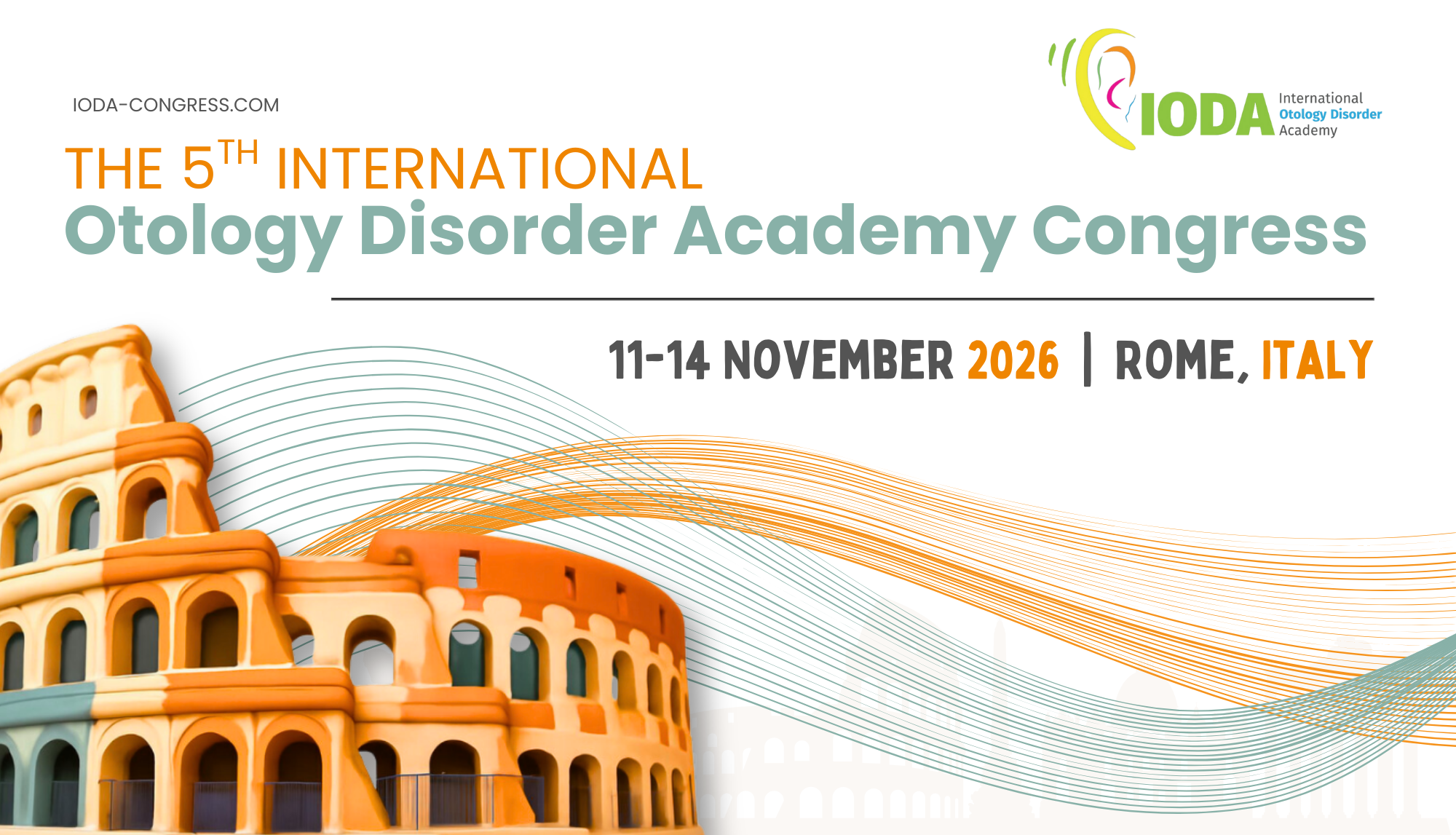
Join us for the 5th International Otology Disorder Academy Congress from November 11 to 14, 2026, in Rome, Italy, focusing on advancements in ear health and otology.
Dates
11–14 Nov 2026
City / country
Rome, Italy
Venue
FH55 Grand Hotel Palatino, Via Cavour, 213/M, 00184
Event overview
The 5th International Otology Disorder Academy Congress will take place in Rome, Italy, from November 11 to 14, 2026.
This congress serves as a vital platform for professionals in otology, offering a comprehensive scientific program that addresses current standards of care and the latest advances in the field.
Participants will engage with international experts through keynote lectures, interactive sessions, and workshops, fostering meaningful discussions and collaborations.
TL;DR
Attendees will have the opportunity to engage with leading experts in otology, gain insights from cutting-edge research, and participate in hands-on workshops. This congress is an essential event for professionals looking to advance their knowledge and network with peers in the field of ear health.
Exhibitors will benefit from high visibility among top professionals in otology, access to a targeted audience, and opportunities for networking and collaboration. This congress provides a unique chance to showcase innovations and engage with key decision-makers in the industry. Meet qualified buyers and partners including Medical Device Manufacturers, Pharmaceutical Companies, Healthcare Technology Providers. Position your offer across middle ear and stapes surgery.
Attendees, exhibitors & solutions
Visitor profile
Typical attendee groups you can expect to meet.
Exhibitor profile
Main supplier and exhibitor segments present at the show.
Product categories
Key solution areas showcased across the event.
Location & Facilities
Via Cavour, 213/M, 00184, Rome, Italy
FH55 Grand Hotel Palatino, Via Cavour, 213/M, 00184 in Rome typically provides on-site or adjacent visitor parking during major trade fairs; confirm daily rates, payment methods and hall access on the organiser or venue website before travel.
Food options
On-site catering
On-site diningParking: FH55 Grand Hotel Palatino, Via Cavour, 213/M, 00184 in Rome typically provides on-site or adjacent visitor parking during major trade fairs; confirm daily rates, payment methods and hall access on the organiser or venue website before travel.
Gate: Follow organiser signage to the main visitor entrance at FH55 Grand Hotel Palatino, Via Cavour, 213/M, 00184 for badge collection; allow extra time for security screening during peak morning arrival.
Attend
General admission
International Participants
General admission
Resident
General admission
Student
General admission
Para Health Provider
General admission
Low-income countries
Intelligence
Key market insights, trends, news and related events to help you understand the bigger picture.
Why it matters
Attendees will have the opportunity to engage with leading experts in otology, gain insights from cutting-edge research, and participate in hands-on workshops. This congress is an essential event for professionals looking to advance their knowledge and network with peers in the field of ear health.
Key trends shaping this market and its wider industry.
Digital buyer journeys
What digital buyer journeys means for buyers and exhibitors in this sector.
Sustainability in procurement
What sustainability in procurement means for buyers and exhibitors in this sector.
Automation and labour efficiency
What automation and labour efficiency means for buyers and exhibitors in this sector.
Regional supply-chain resilience
What regional supply-chain resilience means for buyers and exhibitors in this sector.
Hybrid engagement models
What hybrid engagement models means for buyers and exhibitors in this sector.
Plan your trip

A range of accommodation options near the venue and across key areas.
iRooms Central Station
Guest rating 4.2 with an excellent location rating; amenities include breakfast (surcharge), free Wi-Fi, parking (surcharge), hot tub, air conditioning, pet-friendly, room service and airport shuttle.
Hotel Roma Tor Vergata
Guest rating 3.7; free breakfast, free Wi-Fi, free parking, pool, air conditioning, fitness center, bar and restaurant.
Hotel Artis
Guest rating 3.9; free breakfast, free Wi-Fi, free parking, air conditioning, pet-friendly, bar, restaurant and room service.
YellowSquare Rome
Guest rating 4.3; breakfast (surcharge), free Wi-Fi, air conditioning, parking, bar, restaurant, kitchen in some rooms, full-service laundry and smoke-free property.
LH Domus Caesari
Guest rating 4.0; free breakfast, free Wi-Fi, free parking, air conditioning, pet-friendly, bar, restaurant and room service.
Relais Manzoni
Guest rating 4.0; free breakfast, free Wi-Fi, parking, air conditioning, pet-friendly, bar, room service and airport shuttle.
Hotel Sant'Angelo
Guest rating 3.6; free breakfast, free Wi-Fi, parking, air conditioning, pet-friendly, bar, restaurant and airport shuttle.
Get around the city with these convenient transport options.
Metro / bus / tram (BIT integrated single ticket)
Ticket is integrated across ATAC metro, bus and tram services. Validate on board or at the gate; confirm the current fare at ticket machines, as ATAC adjusts prices periodically.
Metro Line B (Termini to Cavour)
The cheapest way to reach the FH55 Grand Hotel Palatino from Termini if you are staying near the main rail hub. Cavour station has step access; check lift availability with luggage.
Leonardo Express (airport rail)
Runs roughly every 15-30 minutes and takes about 32 minutes. Buy at Trenitalia machines or the app and validate before boarding; confirm the current timetable for your arrival day.
FL1 regional train (airport rail)
Cheaper than the Leonardo Express but stops more often and does not terminate at Termini. Useful if your hotel is in Trastevere, Ostiense or near Tiburtina; confirm connections before travel.
Taxi (licensed white taxi)
Use only the official white taxis at the airport rank or a licensed app; agree the fixed fare before departure and refuse unmetered offers from informal drivers. Confirm the current tariff on the airport or city authority site.
Taxi (licensed white taxi)
Ciampino is closer but has fewer transport options. Licensed taxis queue outside arrivals; rideshare availability is limited compared with northern European cities.
Airport shuttle bus
Slower than the train and subject to motorway traffic, but a budget option with luggage. Departures are frequent from the bus terminal outside arrivals; confirm the operator desk on site.
48-hour integrated ticket
Practical if you plan to combine congress days at Via Cavour with evening sightseeing in Monti, Trastevere or the Vatican area. Confirm the price at the machine, as ATAC tariffs change.
Weather
Mid-November in Rome is late autumn: expect mild but changeable days with daytime highs around 16-19 C and overnight lows around 8-11 C. Rain is the main planning factor, since November is one of the city's wettest months, with roughly 100-130 mm spread over about 8-10 rain days. Showers are often short but heavy, and mornings can be misty along the Tiber. Pack a compact umbrella or rain shell, a warm mid-layer for air-conditioned lecture rooms, and shoes suited to wet cobblestones around Via Cavour and Monti. Figures are climatological approximations; check a forecast in the week before travel.
Plan for the climate
Check temperatures and pack accordingly
Venue connectivity
Confirm mobile roaming or local SIM options for business visitors to Italy.
Ride-hailing
Taxis
Public transit
Car rentals
Useful information to help you have a smooth and respectful visit.
Congress dress code and tone
Medical congresses in Rome are business casual: jacket without tie is common for men, smart separates for women, comfortable shoes for long session days. Bring a light layer, since hotel conference rooms at the FH55 Grand Hotel Palatino can be cool while the November streets are humid.
Coffee and meal timing
Coffee is usually drunk standing at the bar and costs more if you sit at a table; a cappuccino after 11:00 is a tourist tell but not a problem. Restaurants open for dinner around 19:30-20:00, so a congress dinner booked for 21:00 is normal Roman timing rather than an exception.
Local transport etiquette
Validate your ATAC ticket before boarding and keep it until you exit, since inspectors do fine on the spot. Metro Line B between Termini and Cavour is busy at rush hour, and pickpocketing is a known risk on crowded carriages and buses, so keep badges, phones and laptops zipped away.
Neighbourhood around the venue
The congress venue on Via Cavour sits between Termini and the Colosseum, on the edge of the Monti district. Expect cobblestones, narrow pavements and heavy evening foot traffic; allow extra minutes when walking to sessions from nearby hotels.
Visiting churches and Vatican sites
If you extend your stay, shoulders and knees should be covered in churches and in St Peter's Basilica; large bags are screened. Sunday mornings are best for quiet visits, while Wednesday mornings draw crowds for the papal audience.
Tipping and payments
Service is normally included in restaurant bills; rounding up or leaving 5-10 percent is appreciated but not obligatory. Cards are widely accepted, though small bars, market stalls and some taxis still prefer cash, so carry EUR 20-30 for incidentals.
Local disruptions to plan around
Public transport strikes are called periodically in Rome and can shut metro and bus services for a day with a few days' notice. Check local news during congress week and keep a taxi or walking backup plan for the venue commute.
Practical guides
Everything needed to arrive prepared, navigate the event, and make the visit productive.
Flight searches for IODA 2026 dates returned Rome Fiumicino (FCO) as the arrival airport, with nonstop options from London and New York and one-stop connections from Tokyo and Sydney via Gulf, Korean and European hubs. Fares are dynamic: Google Flights showed Sydney-Rome prices unlikely to drop below EUR 867 for 11-15 November 2026, while London and New York results were shown without a fixed price. Book once the congress registration and venue address are confirmed.
Get to the venue and around the city with these options.
Airport → venue: Use the nearest international airport serving Rome; Metro, train or taxi links are typically available to the venue district.
Hotel → venue: Precinct hotels near FH55 Grand Hotel Palatino: Termini / Central Station, Rome: iRooms Central Station; Tor Vergata, eastern Rome: Hotel Roma Tor Vergata; Rome: Hotel Artis.
Ride-hail: Ride-hailing apps are commonly used in Rome; confirm local availability before travel.
Public transit: Rome's metro, bus and tram tickets are integrated: a standard ticket costs EUR 1.50 and is valid for 100 minutes, allowing one metro journey within that window. Use this for trips between hotels near Termini and the congress venue district; confirm the final venue address with the organiser before travel.
Parking: On-site parking is available at FH55 Grand Hotel Palatino; confirm daily rates and hall access on the organiser or venue site.
Plan and pack for the event climate.
Month: November 2026
Temperature: Mid-November daytime highs typically 16-19 C, overnight lows 8-11 C, with occasional colder snaps and warmer sirocco days reaching the low twenties. Lecture rooms and hotels are heated, so layering works better than a single heavy coat.
Seasonality: November is one of Rome's wettest months, with roughly 100-130 mm of rain over about 8-10 rain days, often as short intense showers rather than all-day drizzle. Days are shorter, with sunset around 16:50-17:00 mid-month, so plan outdoor sightseeing before the afternoon sessions end. Values are climatological approximations; confirm the forecast in the final week before travel.
Packing: Mid-November daytime highs typically 16-19 C, overnight lows 8-11 C, with occasional colder snaps and warmer sirocco days reaching the low twenties. Lecture rooms and hotels are heated, so layering works better than a single heavy coat. November is one of Rome's wettest months, with roughly 100-130
Plan your trip
Best day to visit: Day 2 (mid-show)
Mid-show days at IODA - The 5ᵀᴴ International Otology Disorder Academy Congress usually combine full exhibitor attendance with scheduled B2B meetings, before early pack-down on the final day.
Confirm your IODA 2026 registration tier on ioda-congress.com (international participant, resident, student, para health provider or low-income country rate) and check whether the 9 June 2026 early-bird window still applies to your category.
Lock in a Rome hotel for 11-14 November 2026 near Metro Line B if you plan to commute to the FH55 Grand Hotel Palatino on Via Cavour; compare Termini area properties such as iRooms Central Station against cheaper eastern options like Hotel Roma Tor Vergata.
Book flights into Rome Fiumicino (FCO) or Ciampino (CIA) and pre-plan the airport leg: Leonardo Express to Termini, the cheaper FL1 regional train, or a licensed taxi at the fixed city-centre fare.
If you need a Schengen short-stay visa, confirm appointment availability at your Italian embassy or consulate now and check that your passport has at least three months validity beyond departure.
Download the IODA 2026 scientific programme and shortlist sessions by track: otosclerosis and stapes surgery, cholesteatoma and mastoid surgery, cochlear implants, bone conduction and vestibular disorders.
Prepare your own material if you are presenting: poster dimensions or slide format, disclosure statement, and a copy of your abstract number for the session chair.
Pack for mid-November Rome: a warm mid-layer, a compact umbrella or rain shell, and comfortable shoes, since congress days at Via Cavour plus evening walks in Monti add up.
Load the ATAC public transport app or buy a 48-hour or 72-hour integrated ticket on arrival, and save the venue address (Via Cavour 213/M) offline in case mobile data is slow.
Re-check the final venue address, badge collection desk and opening time with the organiser, and carry a printed or offline copy of your registration confirmation and passport.
Arrive 30-45 minutes before the first session for badge collection at the FH55 Grand Hotel Palatino, then orient yourself to the lecture rooms, exhibition area and coffee points before the opening lecture.
Registration and hall orientation at FH55 Grand Hotel Palatino, Via Cavour, 213/M, 00184
Supplier meetings and product demos
Final negotiations and follow-up
IODA - The 5ᵀᴴ International Otology Disorder Academy Congress registration concourse
FH55 Grand Hotel Palatino, Via Cavour, 213/M, 00184
Central meeting point before and between hall appointments during show days.
Organiser B2B lounge (if offered)
FH55 Grand Hotel Palatino, Via Cavour, 213/M, 00184
Hosted matchmaking and buyer programmes when published by the organiser.
Budget

Adjust the inputs below to create a directional event budget.
This is a directional estimate. Please verify live rates before booking.
Official cost items and estimated ranges for exhibitors.
visitor_ticket
visitor · General admission
EUR 890 / per person
| Item | For | Tier | Estimated range | Status | As of |
|---|---|---|---|---|---|
| visitor_ticket | visitor | General admission | EUR 890 / per person | organiser_published |
Decision
Use this quick check to decide whether IODA - The 5ᵀᴴ International Otology Disorder Academy Congress fits your visit, exhibit or skip plan.
QUESTION 1 OF 6
For IODA - The 5ᵀᴴ International Otology Disorder Academy Congress, what is your primary role on the show floor?
Compare participation options side by side to choose the best fit for your objectives.
visit
Your clinical or research work maps to otology and hearing care and you want the international IODA faculty in one place.
Best for
Otologists, ENT/ORL surgeons, audiologists and researchers who need the IODA scientific programme on middle ear surgery, cochlear implants, vestibular disorders or lateral skull base.
Min. budget
$400.00
Timeline
Register during the early-bird window (opened to 9 June 2026 per ioda-congress.com) and book Rome travel once the venue address is confirmed.
Risks
Venue address and detailed session timetable were not visible in captured pages - confirm before booking non-refundable travel.
exhibit
Your portfolio addresses ear surgery, implants or hearing diagnostics and you can staff a stand through the four congress days.
Best for
Cochlear implant, hearing device, surgical instrument, imaging and audiology technology suppliers who want visibility with European and international otology clinicians.
Min. budget
$2,500.00
Timeline
3-6 months for sponsorship or exhibition booking, freight into Rome and clinician-facing collateral.
Risks
Sponsor tiers and exhibit pricing were not published in the captured pages - request the prospectus from ioda-congress.com.
skip
Your product line or audience target does not overlap otology, neurotology or audiology this edition.
Best for
Teams outside ear, hearing and skull-base care, or suppliers seeking large consumer footfall rather than specialist clinical delegates.
Timeline
N/A
Risks
No major risks listed.
FAQs & glossary
Frequently asked
Glossary
Also known as
Alternate names and search phrases for this event.
1 more alternate names hidden
Trust footer
2
References
2
Publishers
0
Date checked
IODA Congress Official Website
Registration Page
Display a free company card at your booth, or share your professional card on the show floor.